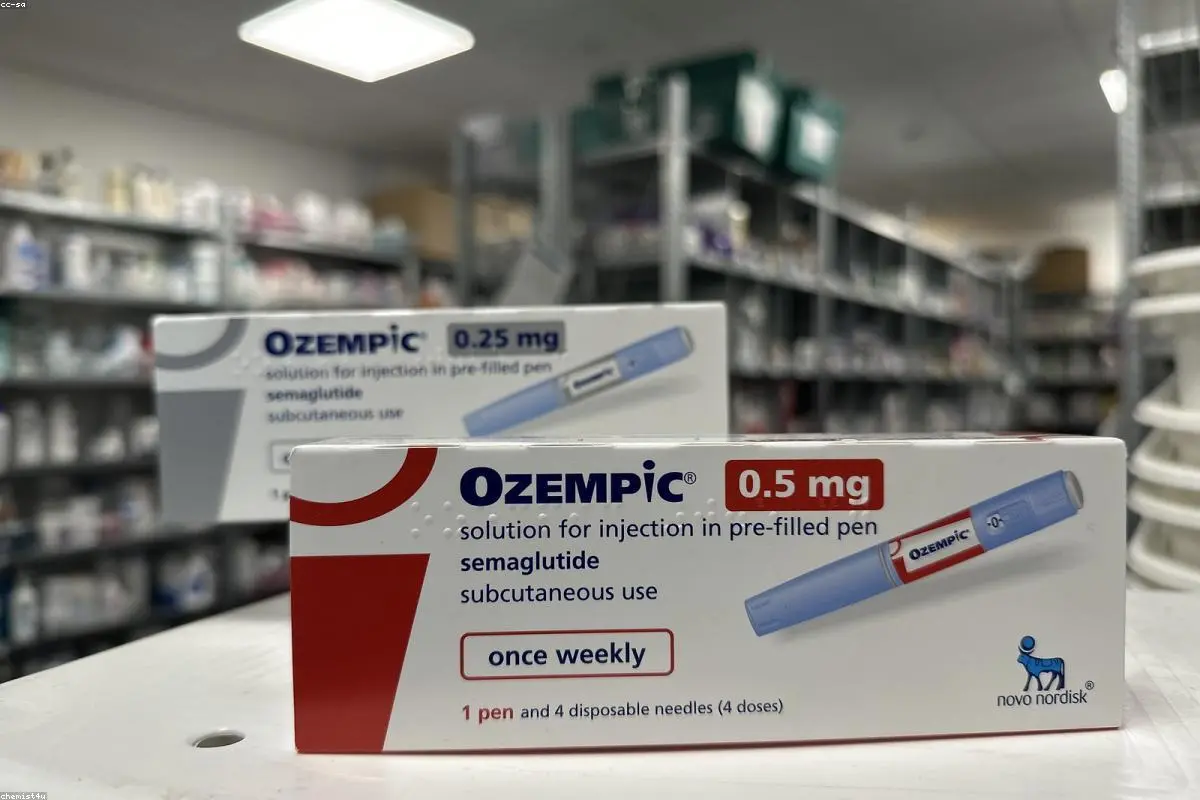
The UK Launch: More Than Just a Medical Milestone
For months, the British public has watched from the sidelines as headlines about 'miracle' weight-loss drugs dominated global media. That wait is finally over. Wegovy, the brand name for the drug semaglutide, is now available in the UK, marking a significant shift in how the nation approaches the obesity crisis. While the drug is often referred to in casual conversation as a 'weight loss pill,' it is currently administered as a weekly injection, though its impact on the healthcare sector is anything but small.
The arrival of this treatment isn't just a win for those struggling with weight management; it represents a seismic shift in the pharmaceutical landscape. As demand surges, the rollout is being managed with a 'controlled and limited' approach to ensure that those with the greatest clinical need are prioritized. This cautious entry into the market is a direct response to the global supply chain challenges that have dogged the drug’s manufacturer, Novo Nordisk, since its initial success in the United States.
The Business of Weight Loss: A New Gold Rush
From a commercial perspective, the introduction of Wegovy is a fascinating case study in market dynamics. The business of weight loss has evolved from fad diets and gym memberships into a high-stakes pharmaceutical race. Novo Nordisk, the Danish giant behind the drug, has seen its market valuation soar, briefly becoming Europe’s most valuable company. This meteoric rise highlights a growing trend where healthcare innovation meets massive consumer demand, creating a gold rush for investors looking to capitalize on the next generation of metabolic treatments.
The economic ripple effects extend beyond just stock prices. Private clinics across Harley Street and digital health platforms are already seeing a spike in inquiries, signaling a lucrative secondary market for those who can afford to bypass the NHS queues. However, this high demand brings its own set of complications, particularly regarding price gouging and the rise of unregulated online pharmacies attempting to sell counterfeit versions of the medication.
Supply and Demand Hurdles
According to a report by the BBC, the drug is being launched through a scheme that involves both the NHS and private prescribers. This dual-track system is designed to manage the immense pressure on stocks. The pharmaceutical industry is currently grappling with the reality that manufacturing complex biological drugs like semaglutide is far more difficult than producing standard tablets. This bottleneck has forced the manufacturer to limit supplies to the UK, ensuring that existing patients in other territories aren't left without their medication.
This scarcity creates a unique business environment where marketing is almost unnecessary. Usually, a product launch of this scale would involve massive advertising spends; instead, the challenge for Novo Nordisk is managing expectation and ensuring that the brand isn't tarnished by the inevitable 'black market' that arises when a high-demand product is in short supply.
Access and Eligibility: Who Gets the Golden Ticket?
In the UK, the National Institute for Health and Care Excellence (NICE) has set strict guidelines for who can access Wegovy on the taxpayer’s dime. It isn't a lifestyle drug for someone looking to lose a few pounds before a holiday. To qualify via the NHS, patients generally need to have a Body Mass Index (BMI) of at least 35 and at least one weight-related comorbidity, such as type 2 diabetes or high blood pressure. This targeted approach is designed to maximize the health outcome for the investment made by the healthcare sector.
The rollout is also being integrated into specialized weight management services. This means that users won't just receive the medication; they will also be expected to follow a reduced-calorie diet and increase physical activity. For the NHS, the hope is that the high upfront cost of the drug will be offset by long-term savings. By reducing the prevalence of obesity-related illnesses, the government aims to lower the future burden on hospitals and primary care services.
The Economic Ripple Effect
While the focus is currently on health, the long-term economic implications for the UK are substantial. Obesity is estimated to cost the UK economy billions of pounds every year in lost productivity and healthcare expenses. If Wegovy and its successors can successfully move the needle on national obesity rates, the resulting 'health dividend' could be a significant boost for the country's GDP.
Furthermore, the success of Wegovy has spurred a wave of research and development within the domestic biotech sector. Competitors are racing to develop their own versions, including oral pills that would be easier to manufacture and distribute than the current injectable format. This competition is expected to drive down prices over the next decade, eventually making these treatments as commonplace as statins or blood pressure medication.
Navigating the Future of Metabolic Health
As the UK begins this new chapter, it’s clear that Wegovy is more than just a trend—it's a tool that requires careful handling. The conversation is already shifting from 'if' these drugs work to 'how' we can afford them as a society and how we ensure equitable access. For the business world, the lesson is clear: metabolic health is the new frontier of the 21st-century pharmaceutical industry. For the patient, it represents a glimmer of hope in a long-standing struggle, provided the system can keep up with the overwhelming demand.