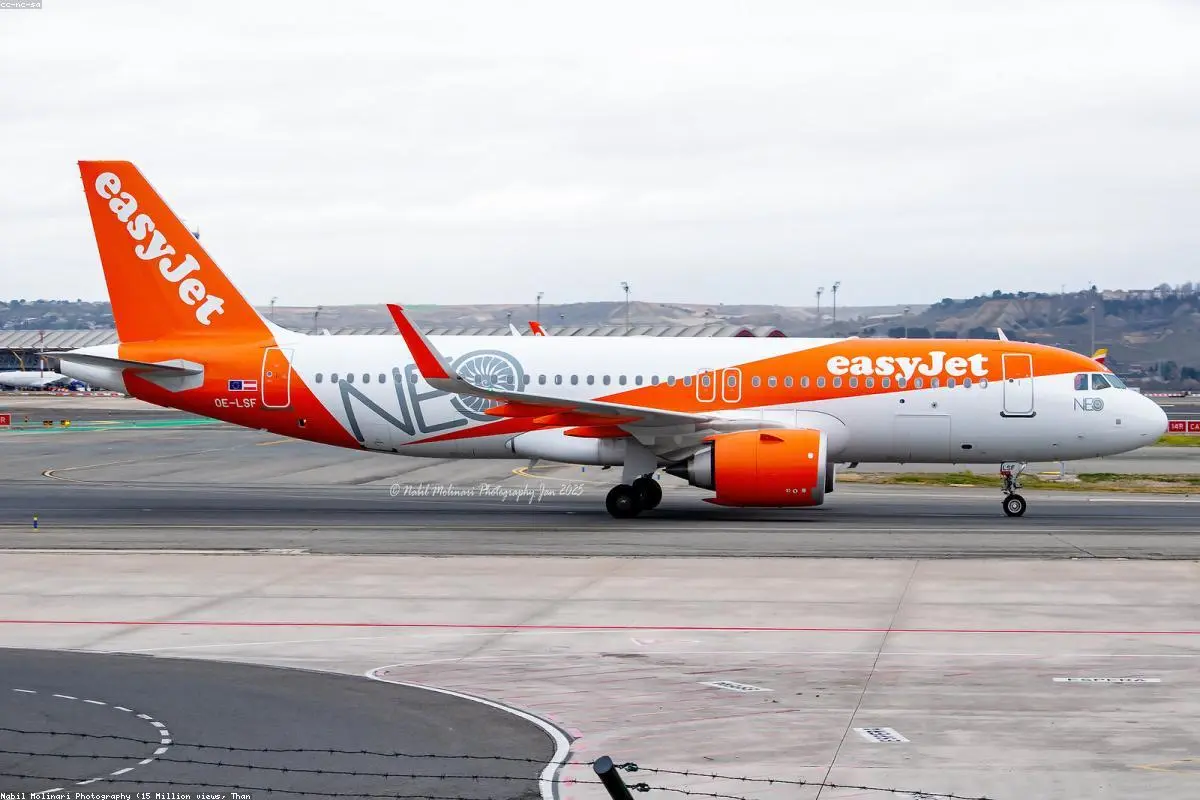
EasyJet's Future Takes Flight: Tentative Takeover Agreement Reached
The skies over the European aviation industry are buzzing with fresh speculation following an announcement from low-cost carrier EasyJet. The airline has confirmed it has reached an 'agreement in principle' regarding a potential takeover, a development that could herald a significant shift for one of the continent's most recognisable budget airlines.
While details remain tightly under wraps, an 'agreement in principle' typically signifies a preliminary consensus between parties on the core terms of a deal, even before all the finer points are ironed out. It marks a crucial step in complex negotiations, often preceding a formal bid or a definitive agreement. This stage usually involves both sides committing to the general framework, paving the way for more detailed due diligence and the finalisation of specific conditions.
What This Means for EasyJet and the Market
News of this potential acquisition has already sent a tremor through the financial markets, prompting keen interest from investors and industry watchers alike. For EasyJet, a successful takeover could bring new capital, a refreshed strategic direction, or even a complete rebranding, depending on the acquiring entity. Conversely, it could also lead to concerns about job security, route changes, or the dilution of its distinctive brand identity.
The airline industry, particularly in Europe, has been navigating a turbulent period. The lingering effects of the global pandemic, coupled with rising fuel costs and increasing environmental pressures, have put immense strain on carriers. In such an environment, consolidation often emerges as a common strategy for survival and growth. Larger players look to expand their networks and market share, while smaller or mid-sized airlines might seek stability under a broader corporate umbrella.
This latest development comes amid a broader context of strategic manoeuvres within the airline sector. For instance, recent reports have highlighted ongoing efforts by EasyJet to shore up investor confidence, with founder Sir Stelios Haji-Ioannou reportedly backing new plans to reward shareholders, as detailed by BBC News. Such moves, while seemingly distinct, can often be viewed as part of a wider strategy to influence market perception and shareholder value, potentially making a company more attractive for a buyout or reflecting internal debates on the company's future direction.
Who Might Be Interested?
Speculation is naturally rife about the identity of the potential suitor. Several types of entities could be eyeing EasyJet:
- Larger Airline Groups: Established airline conglomerates, keen to expand their footprint in the lucrative European low-cost segment, might see EasyJet's extensive route network and strong brand recognition as a valuable asset. This could include groups looking to diversify their offerings or gain a stronger foothold in specific regional markets.
- Private Equity Firms: Investment firms often target undervalued companies with strong underlying assets, believing they can streamline operations, enhance profitability, and eventually sell at a higher valuation. EasyJet's significant market presence and operational efficiency could make it an attractive prospect.
- Rival Low-Cost Carriers: While less common for direct competitors to acquire each other without significant regulatory hurdles, a bold move by a rival could create an unparalleled dominant force in the budget travel sector.
EasyJet's appeal lies in its strong brand, its extensive network across key European destinations, and its established operational model. Despite recent challenges, the airline retains a loyal customer base and a significant market share, particularly in popular holiday routes and key business corridors. An acquirer could leverage these strengths, potentially integrating EasyJet into a wider network or optimising its cost structure even further.
Challenges and Opportunities Ahead
Even with an 'agreement in principle,' the path to a completed takeover is rarely straightforward. Any deal would likely face intense scrutiny from competition authorities across Europe. Regulators would examine the potential impact on consumer choice, pricing, and overall market dynamics to ensure the takeover does not create an unhealthy monopoly or significantly reduce competition.
Integrating two distinct corporate cultures and operational systems also presents a considerable challenge. The acquiring company would need a clear strategy to harmonise everything from fleet management and booking systems to employee benefits and brand messaging, all while maintaining seamless service for millions of passengers. The goal would be to realise synergies that justify the acquisition price, whether through cost reductions, revenue growth, or enhanced market power.
However, the opportunities are equally compelling. A successful takeover could provide EasyJet with the capital injection needed for fleet modernisation, expansion into new markets, or investment in sustainable aviation technologies. For the acquiring entity, it offers an immediate and substantial boost to its presence in the highly competitive European travel market, a chance to diversify its portfolio, and potentially a platform for long-term growth in a sector that, despite its volatility, remains essential to global connectivity. Learn more about major developments in the sector on our Business category page.
What's Next?
For now, the aviation world awaits further announcements. The coming weeks and months will likely see intensive negotiations, detailed financial analyses, and discussions with shareholders. Both parties will be working towards a definitive agreement, which would then be subject to regulatory approvals and, ultimately, a shareholder vote. The outcome could significantly alter the trajectory of EasyJet and reshape the competitive landscape of European air travel for years to come.