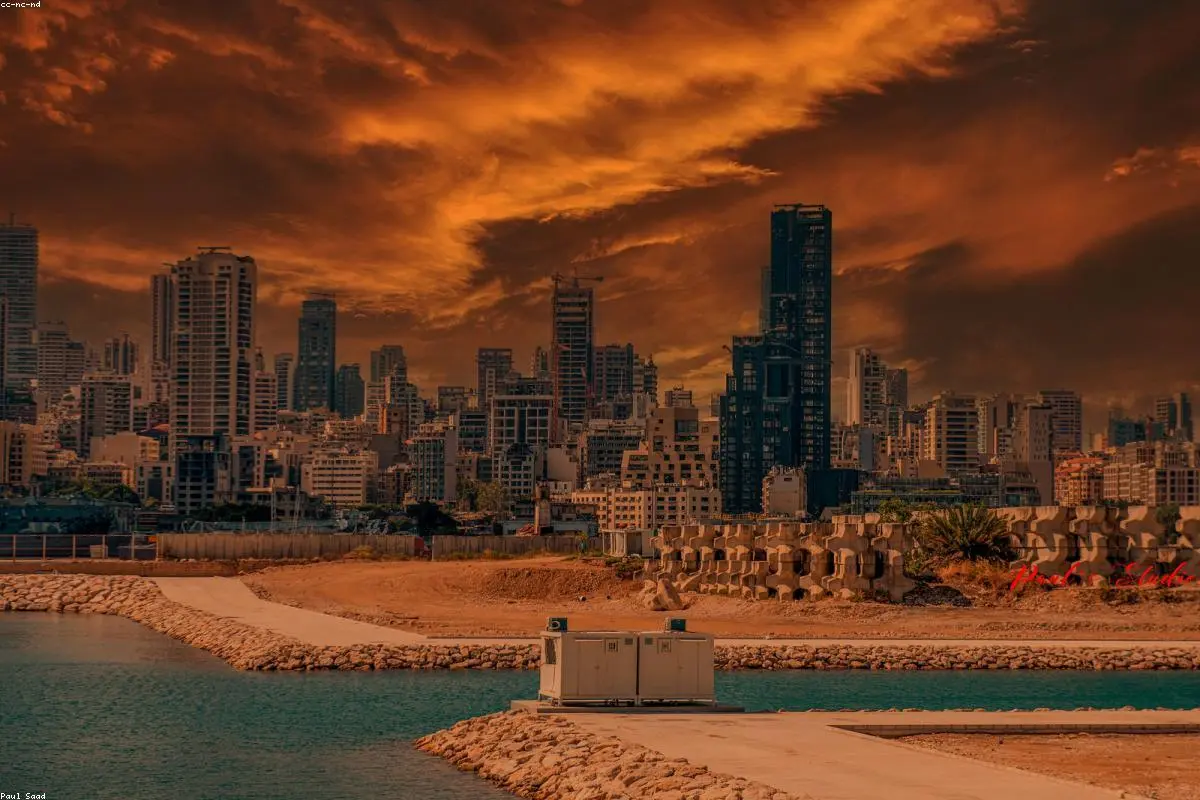
The Levant in the Shadow of Diplomacy
Diplomatic breakthroughs between major adversaries rarely remain confined to the rooms where they are signed. When the United States and Iran negotiate—whether over prisoner exchanges, frozen assets, or nuclear guardrails—the geopolitical shockwaves travel fast. They ripple across the Middle East, landing with particular force along the volatile border shared by Israel and Lebanon.
For decades, the shifting dynamics of US-Iran relations have served as a barometer for regional stability. To understand why a diplomatic understanding thousands of miles away matters so much to a shopkeeper in Beirut or a security analyst in Tel Aviv, one must look at the intricate web of proxy politics. In this delicate landscape, any shift in resources or rhetoric from Tehran directly alters the calculus of both its allies and its adversaries.
Lebanon: Caught Between Economic Relief and Proxy Warfare
Lebanon currently finds itself in the grip of a prolonged economic and political crisis. The state's institutions are hollowed out, leaving a power vacuum that has historically been filled by Hezbollah, the heavily armed political and military group backed by Iran. For Beirut, a US-Iran deal is a double-edged sword.
On one hand, a reduction in tensions between Washington and Tehran could theoretically open doors for regional de-escalation. Some Lebanese politicians hope that a softer diplomatic environment might pave the way for long-overdue economic investments and a resolution to the country's political paralysis. If Iran feels less cornered globally, the logic goes, it may allow its Lebanese ally to cooperate more constructively on domestic governance.
On the other hand, critics argue that any deal that releases frozen Iranian funds or eases sanctions will inevitably enrich Hezbollah. In a country where the line between state authority and militia power is heavily blurred, a financially revitalized Iran means a more formidable Hezbollah. This reality keeps Lebanese citizens on edge, knowing their nation’s fate remains tied to decisions made in foreign capitals.
The View from Jerusalem: A Threat Multiplied?
Across the southern border, Israel watches these diplomatic maneuvers with deep skepticism. Israeli defense officials have long maintained that diplomatic concessions to Iran do not curb its regional ambitions; instead, they argue, such deals merely fund them.
For Israel, the primary concern is the immediate threat posed by Hezbollah's massive arsenal of precision-guided missiles on its northern border. Jerusalem fears that a US-Iran deal that grants Tehran financial breathing room will accelerate the flow of advanced weaponry through Syria and into Lebanon. This concern has been highlighted in global policy discussions, including a recent analytical BBC report focusing on the immediate regional anxieties sparked by these diplomatic shifts.
Consequently, Israeli leadership finds itself in a difficult position. While they value their strategic alliance with the United States, they are highly wary of any American foreign policy that prioritizes short-term diplomatic victories over long-term Israeli security. This friction often leads to a more aggressive Israeli posture, as Jerusalem seeks to draw clear red lines through targeted military strikes in Syria, designed to disrupt Iranian supply lines before they reach Lebanese soil.
The Broader Geopolitical Equation
This tense standoff highlights the fluid nature of modern international relations, where local conflicts are continuously shaped by global negotiations. The United States attempts to balance its desire to prevent a wider regional war with its commitment to protecting its key ally, Israel. Meanwhile, Iran uses its regional proxies as leverage, demonstrating its capacity to project power whenever it feels pressured on the global stage.
Ultimately, the US-Iran deal is not a final peace agreement, but rather a temporary management of conflict. For Lebanon and Israel, this means that while the threat of an immediate, catastrophic war might temporarily recede, the underlying triggers remain entirely untouched. The border between the two nations remains one of the most heavily armed and sensitive flashpoints in the world, where a single miscalculation can unravel months of careful diplomacy in an instant.