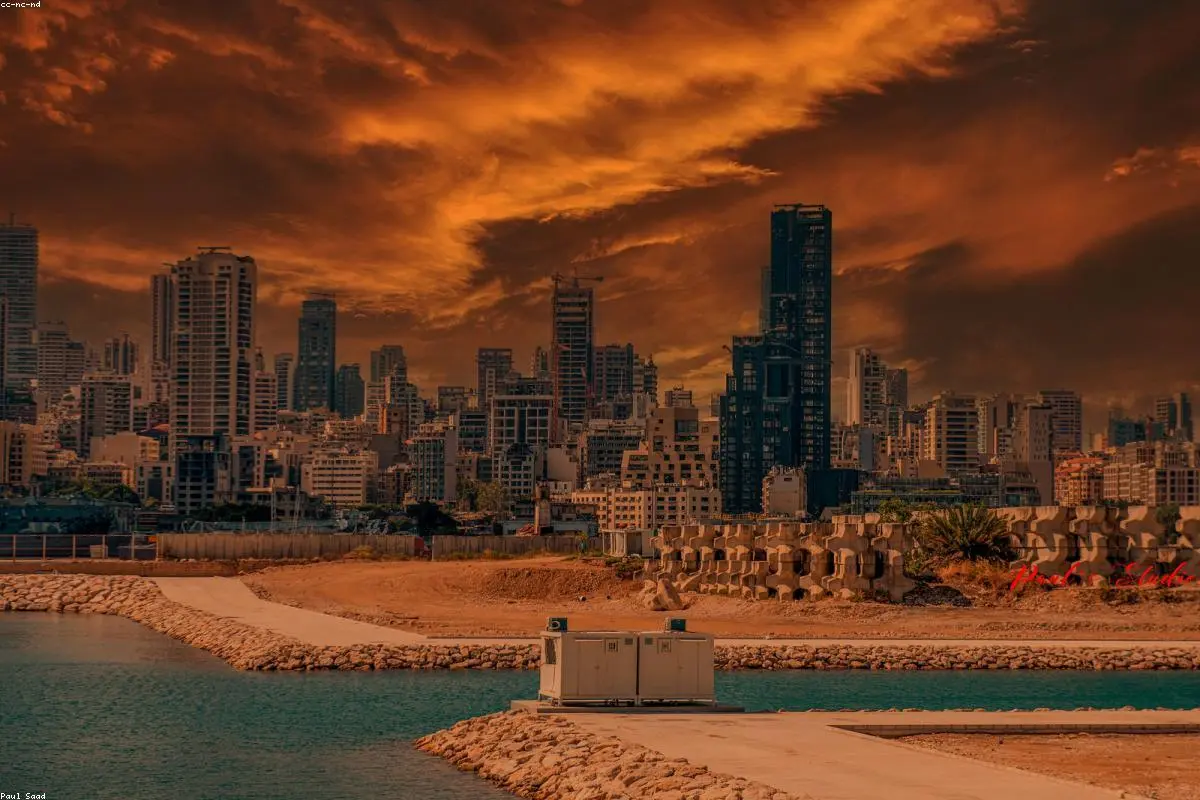
A Shattered Afternoon in the Capital
The familiar hum of Beirut’s afternoon traffic was violently interrupted today by the roar of an explosion that could be heard across the city. Lebanese authorities confirmed that an Israeli strike targeted a building in the southern suburbs, a densely populated area known as Dahieh. According to the Lebanese Health Ministry, at least three people were killed in the blast, with several others injured as emergency crews rushed to navigate the debris-strewn streets.
For the residents of Beirut, the sound was a haunting reminder of a past many hoped had been left behind. The strike hit a residential and commercial hub, sending a massive plume of grey smoke billowing into the Mediterranean sky. While the Israeli military has conducted several operations along the southern border in recent months, a direct hit on the capital’s suburbs represents a significant shift in the geography of the current conflict.
The Strategic Heart of the Suburbs
Dahieh is not just any neighborhood; it is widely regarded as a stronghold for the political and military wing of Hezbollah. Because of this, any kinetic action in this area is viewed through a lens of extreme strategic importance. The precision of the strike suggests a targeted operation, a tactic frequently employed in the ongoing "shadow war" that has increasingly moved into the light since last October.
Within the broader context of International relations, this incident highlights the fraying edges of the unofficial 'rules of engagement' that have historically kept the cross-border skirmishes from devolving into a total regional conflagration. According to reports from the BBC, the strike comes at a time when diplomatic efforts to de-escalate the situation are reaching a fever pitch, yet seem to be yielding little in the way of tangible quiet.
A Region on the Brink
The timing of the strike is particularly sensitive. For months, the international community—led by mediators from the United States and France—has been attempting to broker a deal that would see Hezbollah pull back from the border and Israel cease its aerial incursions. However, as the casualty count rises on both sides, the political space for compromise is shrinking. For many in Lebanon, the fear is no longer *if* a wider war will come, but *when*.
Military analysts suggest that these targeted strikes are intended to degrade Hezbollah’s leadership and communication infrastructure. However, the human cost often tells a different story. In the narrow alleys of Dahieh, the line between military infrastructure and civilian life is often tragically blurred. This latest incident is expected to trigger a significant response from Hezbollah leadership, who have repeatedly warned that strikes on the capital would be met with an expansion of their own target list.
Global Repercussions and Local Fears
The ripple effects of the blast were felt far beyond the borders of Lebanon. In the halls of the United Nations, there are growing calls for an immediate cessation of hostilities to prevent a "miscalculation" that could draw in other regional powers. The fear of a multi-front war involving Iran and various proxy groups remains the primary nightmare scenario for Western diplomats.
On the ground in Beirut, the mood is one of grim resignation. "We are living in a state of suspended animation," says one local shopkeeper near the site of the blast. "Every time a plane flies overhead, we look up and wonder if today is the day the city burns again." This psychological toll is perhaps the most pervasive impact of the ongoing conflict, affecting everything from the struggling Lebanese economy to the mental health of a generation that has already endured so much upheaval.
What Happens Next?
As night falls over Lebanon, the focus shifts to the hospitals treating the wounded and the political offices where the next moves are being calculated. The Israeli Defense Forces (IDF) have maintained their stance that they will act wherever necessary to protect their northern citizens from rocket fire and planned incursions. Conversely, the Lebanese government has condemned the strike as a violation of national sovereignty.
Whether this event serves as a final warning or the opening salvo of a more intense phase of the war remains to be seen. What is certain, however, is that the residents of Beirut are tonight sleeping with one eye open, watching the horizon for the next flash of fire.
- Death Toll: Three confirmed dead, dozens injured.
- Location: Dahieh district, southern Beirut.
- Diplomatic Status: Negotiations for a ceasefire remain stalled.
- Regional Impact: Increased alert levels in Northern Israel and Southern Lebanon.