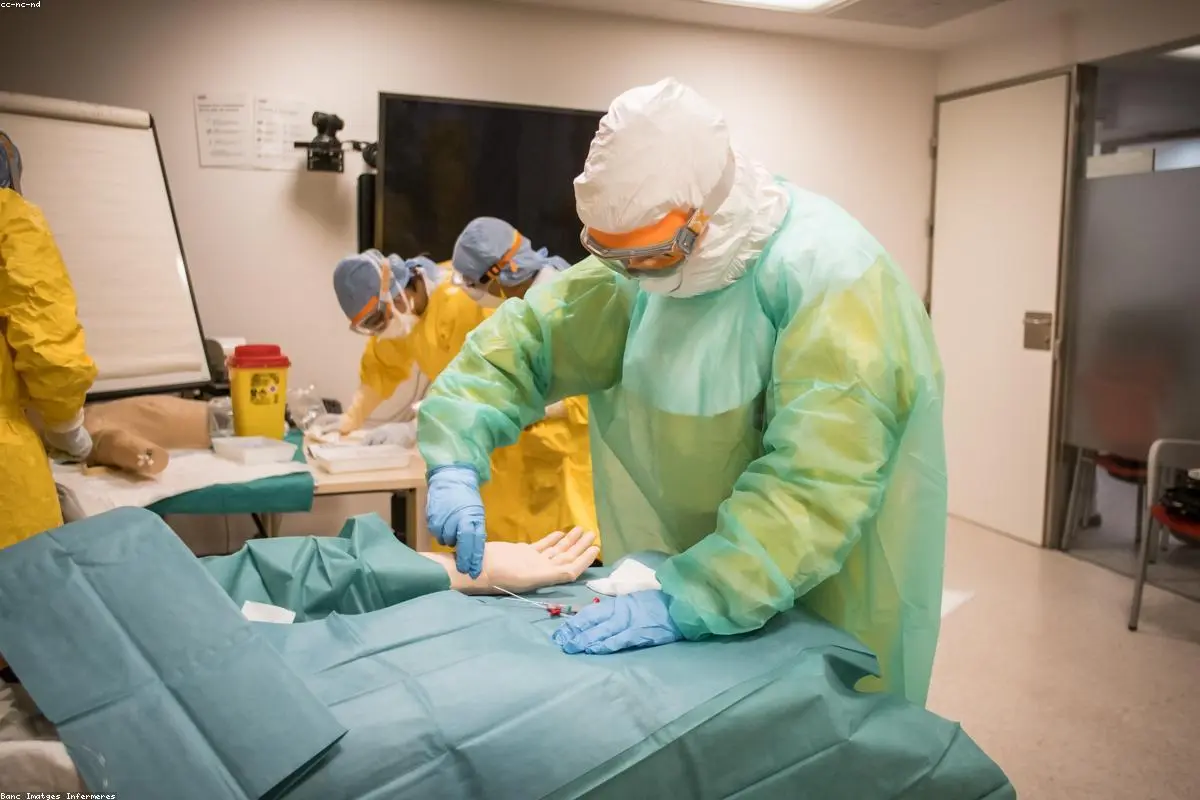
The air inside an Ebola treatment unit is thick with the sharp, chemical tang of chlorine. It is a sensory landscape dominated by the rustle of heavy protective suits, the quiet murmurs of anxious clinicians, and the heavy burden of isolation. Yet, occasionally, this sterile silence is broken by something entirely unexpected: the sound of drumming, clapping, and triumphant singing.
Traveling into the very heart of the outbreak, journalists have witnessed this striking juxtaposition firsthand. In a crisis zone where death is a constant shadow, the release of a recovered patient is not just a medical success; it is a hard-won victory of the human spirit over a terrifying pathogen. These moments of raw emotion offer a rare glimpse into the psychological battleground of epidemic response.
The Psychology of Survival in the Red Zone
The epicentre of an Ebola outbreak is a place defined by barriers. Families are separated by orange plastic fencing, and physical touch—the most basic human comfort—is strictly forbidden to prevent transmission. Because the virus spreads through bodily fluids, caring for a sick loved one at home often carries a lethal price. To understand the broader systemic challenges of controlling such infectious diseases, exploring our dedicated health coverage offers valuable context on global medical emergency responses.
When a patient beats the odds, their discharge becomes a communal milestone. They are sprayed down with disinfectant one last time, step across the threshold of the high-risk 'red zone,' and are welcomed back into the world. This transition is marked by tears, dancing, and a profound sense of relief. It serves as a visual and emotional proof to the community that admission to a treatment centre is not a death sentence.
How Joy Double-Functions as a Public Health Tool
These celebrations are far more than spontaneous outbursts of happiness; they are a critical tool in public health communication. Historically, deep-seated fear of treatment centres—often perceived by local populations as places where people go to die—has led to hidden cases, community resistance, and rapid viral spread.
According to the on-the-ground report published by the BBC, witnessing these moments of joy highlights the incredible resilience of both the patients and the local healthcare workers who risk their lives daily. When villagers see their neighbors walk out of these facilities healthy, strong, and smiling, trust in medical institutions is restored. This trust is what ultimately allows contact tracers to do their jobs and encourages sick individuals to seek early care.
The Evolution of Ebola Therapeutics
The clinical reality of Ebola has shifted dramatically in recent years. While the virus remains highly lethal, the introduction of monoclonal antibodies and improved supportive care has significantly boosted survival rates, especially when treatment begins early.
- Monoclonal Antibodies: Targeted therapies like Ebanga and Inmazeb have revolutionized treatment, offering direct defense against the virus.
- Rapid Vaccination: Ring vaccination strategies help contain the spread by protecting those in immediate contact with confirmed cases.
- Community-Led Care: Involving local leaders helps demystify medical protocols and reduces stigma for survivors.
The Unsung Heroes on the Frontlines
Behind every survivor’s celebration is a team of local doctors, nurses, and hygienists operating under extreme physical and emotional pressure. Sweltering in layers of personal protective equipment (PPE) for hours on end, these healthcare workers carry the double burden of providing complex medical care while serving as the sole source of human warmth for isolated patients.
When a patient is cleared to go home, these frontline workers are often the first to lead the singing. Their joy is professional, but it is also deeply personal. Every life saved is a validation of their sacrifice and a reminder of why they continue to step into the hot zone day after day.
Ultimately, the scenes from the epicentre remind us that medical intervention cannot succeed in a vacuum. Human empathy, trust, and the preservation of dignity are just as vital as vaccines and therapeutics. The joy witnessed amidst the grief isn't a denial of the harsh reality, but a defiance of it—a stubborn declaration that even under the shadow of Ebola, community and hope will always fight to reclaim their ground.