Shifting the Narrative from Whispers to Wellness
For decades, many of the most significant stages of a woman’s life have been shrouded in a peculiar kind of cultural quiet. While topics like broken bones or heart health are discussed openly, issues such as menopause, pelvic floor dysfunction, and severe menstrual pain have often been treated as secrets to be managed in private. However, the atmosphere is shifting. A recent health event has made waves by putting these 'taboo' subjects front and center, signaling a long-overdue change in how we approach female biological transitions.
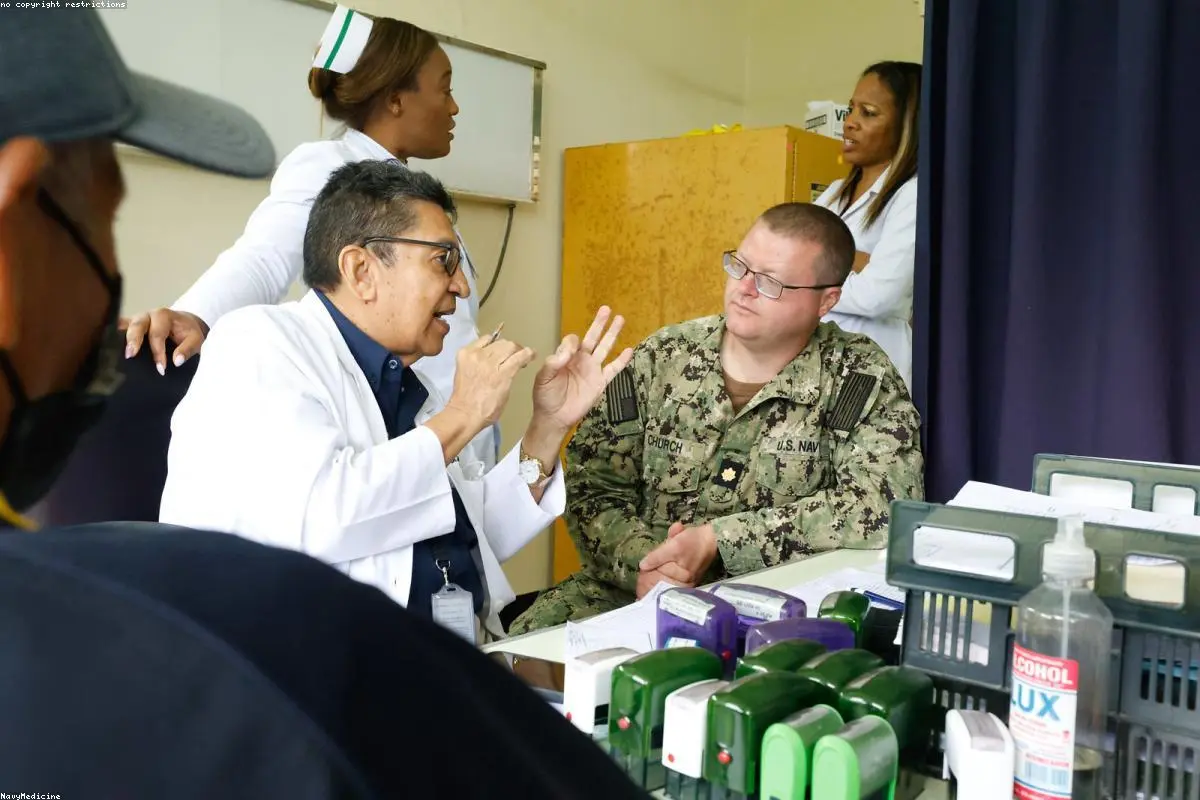
The event, which brought together medical professionals, advocates, and women from all walks of life, aimed to dismantle the stigma that frequently prevents patients from seeking help. According to reports from the BBC, the gathering wasn't just about sharing medical data; it was about reclaiming the narrative. It served as a reminder that what we don't talk about, we can’t effectively treat.
The High Cost of Silence
The hesitation to discuss 'below the belt' health issues isn’t just a matter of social awkwardness; it has real-world consequences for clinical outcomes. When women feel embarrassed to mention symptoms like urinary incontinence or painful intercourse, diagnoses are delayed. In some cases, conditions like endometriosis can take a decade or more to be properly identified simply because the underlying pain was normalized as 'part of being a woman.'
During the event, speakers highlighted that education is the first step toward advocacy. By understanding that certain symptoms are common but not necessarily 'normal,' women are better equipped to demand higher standards of care. This movement toward transparency is a cornerstone of modern health initiatives, where the goal is to empower the patient to speak as an expert on their own body.
Navigating the Menopause Transition
One of the most prominent topics on the table was menopause. For a long time, the public perception of menopause was limited to the occasional hot flash. The reality, as many attendees shared, is far more complex. It affects everything from bone density and heart health to cognitive function and mental well-being. The 'brain fog' often associated with perimenopause can have devastating effects on a woman’s career and confidence if she doesn't understand the hormonal shifts driving it.
Panelists at the event argued for a more holistic approach. They suggested that the medical community needs to move beyond just managing symptoms and start viewing menopause as a significant physiological transition that requires proactive, multifaceted support. This includes nutritional guidance, psychological support, and, where appropriate, Hormone Replacement Therapy (HRT), which has often been unfairly maligned in past decades.
Breaking Down Reproductive Stigmas
The conversation didn’t stop at mid-life transitions. It reached back into the earlier stages of reproductive health, addressing the heavy burden of menstrual disorders. For many young women, the 'taboo' starts at puberty. If they aren't taught what a healthy cycle looks like, they may suffer in silence through debilitating periods, assuming their experience is standard.
By bringing these issues into the light, the event creators hope to foster a culture where young people feel comfortable discussing reproductive health with their doctors and educators. This isn't just about comfort; it's about ensuring that life-altering conditions like Polycystic Ovary Syndrome (PCOS) are caught early, allowing for lifestyle interventions that can prevent long-term complications like diabetes or infertility.
A Community-Driven Future
Perhaps the most powerful takeaway from the event was the sense of solidarity. When one woman speaks up about her experience with a 'taboo' health issue, it often gives others the permission they need to do the same. This ripple effect is essential for driving systemic change in healthcare funding and research, which has historically sidelined women's health issues in favor of more 'universal' medical studies.
As we move forward, the success of such events will be measured by how well these conversations integrate into our daily lives. The goal is a world where a woman can discuss her hormonal health as easily as her blood pressure, and where the 'taboos' of the past are replaced by the informed care of the future. The table has been set, the subjects are out in the open, and there is no going back to the silence of yesterday.