The End of an Era in Kyiv’s Military Command
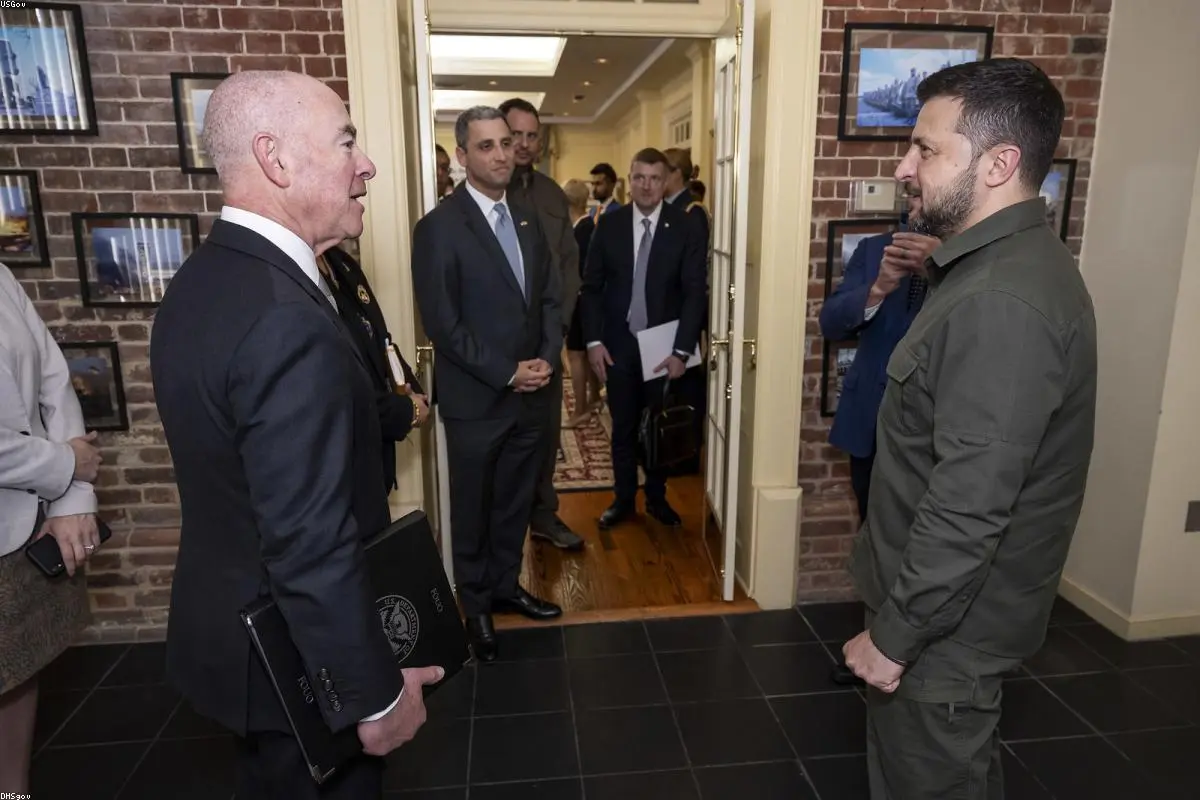
The rumors had been circulating for weeks, whispered in the corridors of power and debated over coffee in the bomb shelters of Kyiv. But when the official decree finally landed, the impact was no less jarring. President Volodymyr Zelensky has officially relieved Ukraine’s top army commander of his duties, a decision that follows days of public protests and months of simmering tension between the country’s political leadership and its military elite.
This isn’t just a routine personnel change. It is a seismic shift in the architecture of Ukraine's defense. For many Ukrainians, the outgoing general was more than a strategist; he was a symbol of resilience, the architect of the defense of Kyiv and the stunning counter-offensives that reclaimed Kharkiv and Kherson. To see him removed during a time of such uncertainty has left many questioning whether the government is prioritizing political alignment over battlefield expertise.
Protests and the Public Pulse
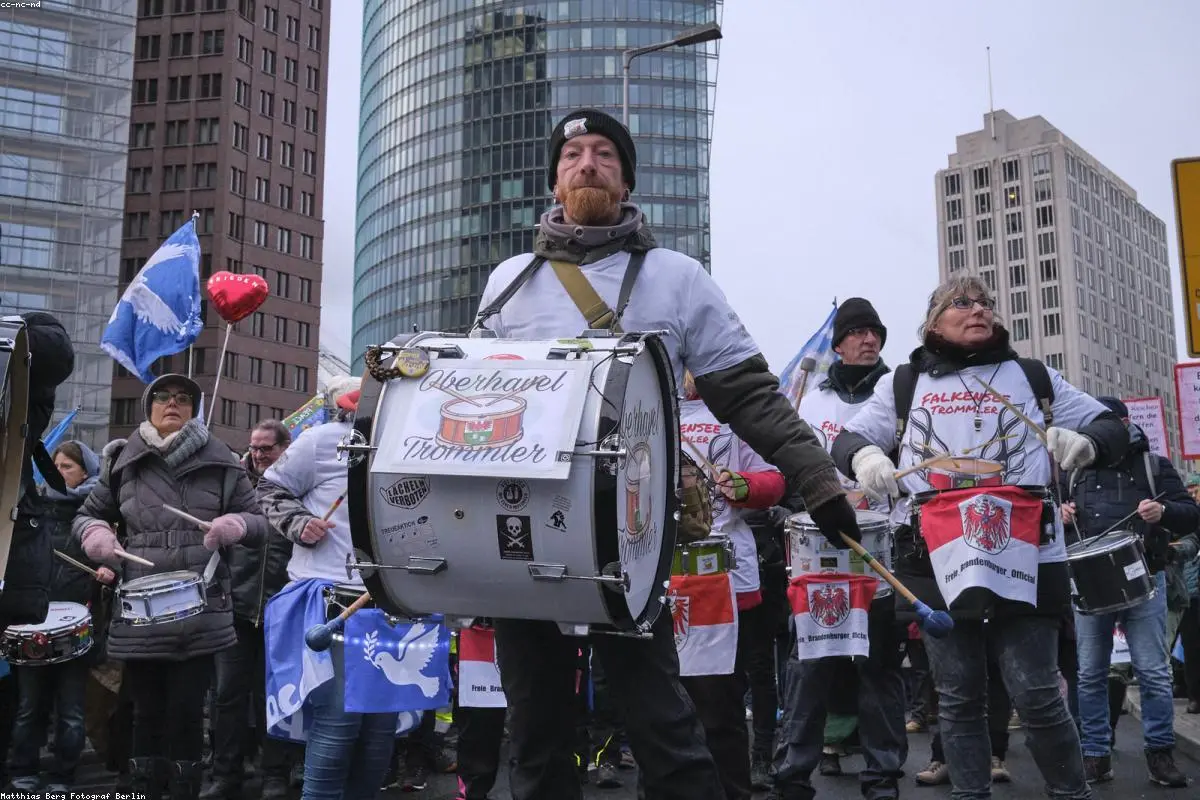
The dismissal was preceded by a rare sight in wartime Ukraine: organized public demonstrations. In a country under martial law, where protests are technically restricted, citizens gathered in central squares to voice their support for the commander. These weren’t anti-government rallies in the traditional sense, but rather a display of loyalty to a man who many feel has been a steady hand in the storm.
The protesters' grievances were clear. They worry that a change in leadership at this critical juncture could demoralize the troops and lead to a loss of tactical continuity. The friction between Zelensky’s administration and the military command had become increasingly public, with disagreements over mobilization targets and the realistic prospects of a breakthrough on the 1,000-kilometer front line. While the President seeks a fresh approach to break the current stalemate, the public’s attachment to the former commander suggests that Zelensky is spending significant political capital to make this change.
Strategic Friction and the Search for a New Path
Behind the scenes, the relationship between the President and his top general had reportedly reached a breaking point. Sources close to the administration suggest that the rift was born from fundamentally different views on the war's trajectory. While Zelensky has consistently maintained a message of ultimate victory and the total liberation of territory, the military leadership has been more vocal about the realities of a "war of attrition" and the need for a massive influx of new manpower and western technology.
This decision also comes at a time when the International community is watching Ukraine with bated breath. Western allies, particularly those in Washington and Brussels, have long praised the outgoing general’s professional relationship with NATO commanders. The challenge now for the new leadership will be to maintain that level of trust while implementing whatever new strategy the Zelensky administration deems necessary to revitalize the effort against Russian forces.
The International Perception
According to reports from the BBC, the transition is being handled with a careful eye on how it appears to foreign backers. Stability is the primary currency in the world of international military aid. Any hint of internal collapse or a "palace coup" vibe could give ammunition to those in the West who are already skeptical about continued funding for the war. Zelensky is essentially betting that a new commander can deliver results that justify the initial chaos of the transition.
However, the move is fraught with risk. If the new commander fails to achieve a meaningful breakthrough within the next few months, the blame will fall squarely on the President's shoulders. By removing a popular general, Zelensky has effectively removed a political buffer; he is now more directly responsible for the successes or failures of the army than ever before.
A Dangerous Balancing Act
Leadership changes during an existential war are never easy. History is littered with examples of leaders who swapped their generals mid-conflict, sometimes with disastrous results and sometimes with transformative success. The key for Ukraine will be ensuring that this transition does not lead to a fracture within the armed forces. Soldiers in the trenches are less concerned with the political drama in Kyiv and more concerned with ammunition supplies, rotation schedules, and clear orders.
As the new commander steps into the spotlight, they will face the daunting task of uniting a weary public and a high-strung military. The protests of the past few days have shown that the Ukrainian people are no longer willing to be silent observers of their destiny. They are deeply invested in the leadership of their defense, and they will be watching every move the new command makes with a critical eye.
Ultimately, Zelensky’s gamble is one of the biggest of his presidency. He is opting for a change in vision over the stability of the status quo. Whether this leads to a refreshed offensive or a deepening of internal divisions is a question that will be answered in the mud and blood of the front lines in the months to come. For now, the streets of Kyiv have quieted, but the tension remains as thick as the winter fog.