The Math Problem We’ve Been Ignoring
Walk into a typical middle school math classroom, and you’ll likely see the same scene that played out forty years ago: a teacher at the whiteboard, a row of students silently copying down equations, and a frantic race to finish a worksheet before the bell rings. We have treated mathematics as a static list of procedures to be memorized rather than a living, breathing language of logic and problem-solving.
This outdated model of education is failing a new generation of learners. When we prioritize speed and rote recall over conceptual depth, we aren’t just creating students who hate math—we are creating students who lack the critical thinking skills required to navigate an increasingly data-driven society. It is time to rethink not just what we teach, but how we teach it.
Moving Beyond the 'Speed Drill' Mentality
One of the most pervasive myths in our schools is that math ability is tied to how fast a student can solve a multiplication table. This obsession with speed anxiety is fundamentally at odds with the way mathematicians actually work. Research consistently shows that deep conceptual understanding is built through struggle, iteration, and collaboration—not by racing against a stopwatch.
As explored in a recent commentary on Education Week, shifting our focus requires a systemic change in pedagogical priorities. Instead of valuing the "right answer" at any cost, we should be incentivizing the process, the discussion, and the creative application of mathematical concepts.
Key Pillars for a Modern Classroom
If we want to transform the student experience, we need to lean into instructional methods that emphasize engagement and relevance. Here are three areas where we can start making immediate changes:
- Embrace Productive Struggle: Give students problems that don't have an immediate, obvious solution. When students are forced to wrestle with a concept, the neural pathways they build are far more durable than those formed by simply copying steps from a textbook.
- Connect to Real-World Scenarios: Math should never feel abstract. By grounding lessons in financial literacy, environmental modeling, or local urban planning, students see the utility of their work, moving the subject from the page to the real world.
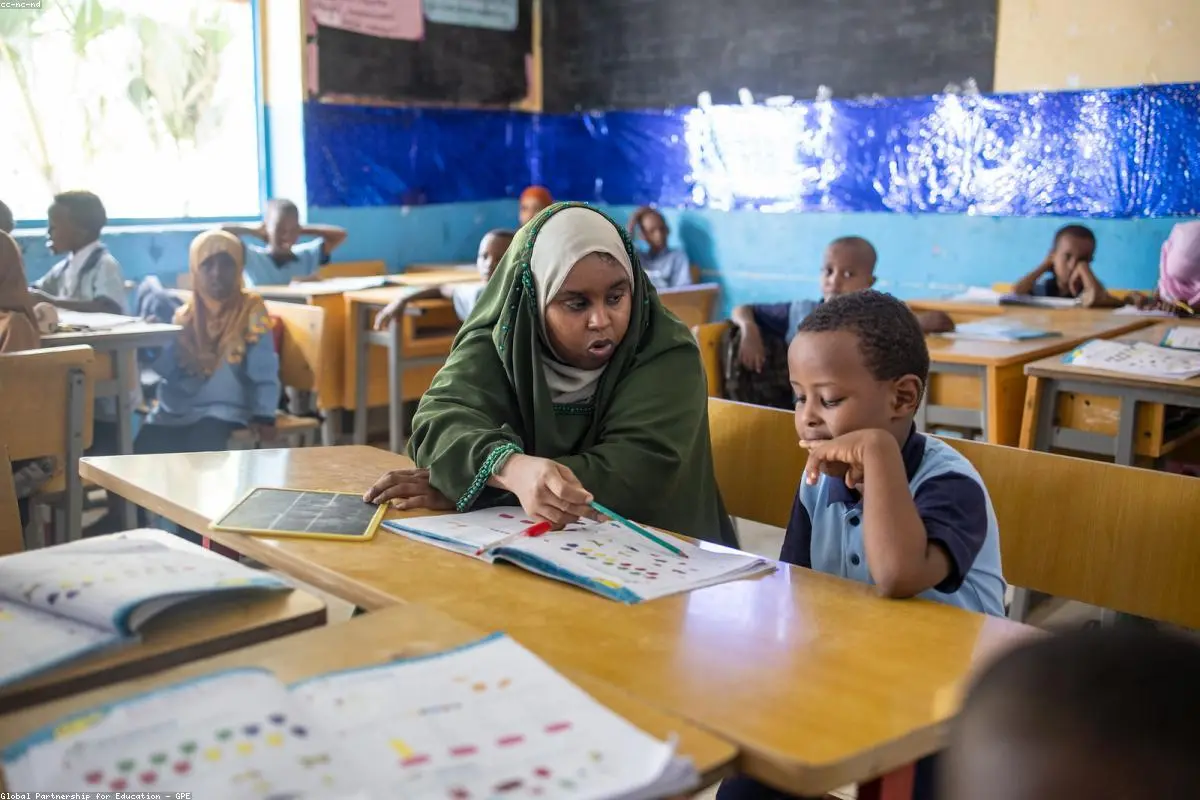
- Foster Collaborative Discourse: Math should be a social activity. When students explain their thinking to a peer, they clarify their own misunderstandings. Peer-to-peer teaching is one of the most effective tools for closing achievement gaps.
Rebuilding Confidence Through Curiosity
A major hurdle in changing math instruction is the "math anxiety" epidemic. Many students enter the classroom already convinced that they simply "aren't math people." This self-fulfilling prophecy is reinforced when assessments value procedural fluency over intuition. To break this cycle, teachers need the autonomy to slow down and explore topics in depth rather than sprinting to cover every single state standard by the end of the semester.
For a deeper look at the broader landscape of academic reforms, you can explore more resources within our Category: Education hub. The goal is to shift from a system of evaluation to a system of exploration.
The Path Forward
Changing how we teach math is not about discarding the fundamentals; it’s about ensuring that those fundamentals serve a higher purpose. We need to produce graduates who can synthesize information, identify patterns, and apply logic to complex global challenges. When we stop viewing mathematics as a rigid set of instructions and start viewing it as a powerful tool for discovery, we open the door for every student to find their place in the subject.
It’s time to stop teaching math as if we are still living in the industrial age. By fostering curiosity, encouraging collaborative problem-solving, and prioritizing conceptual understanding, we can turn the math classroom into a place where students actually want to be.