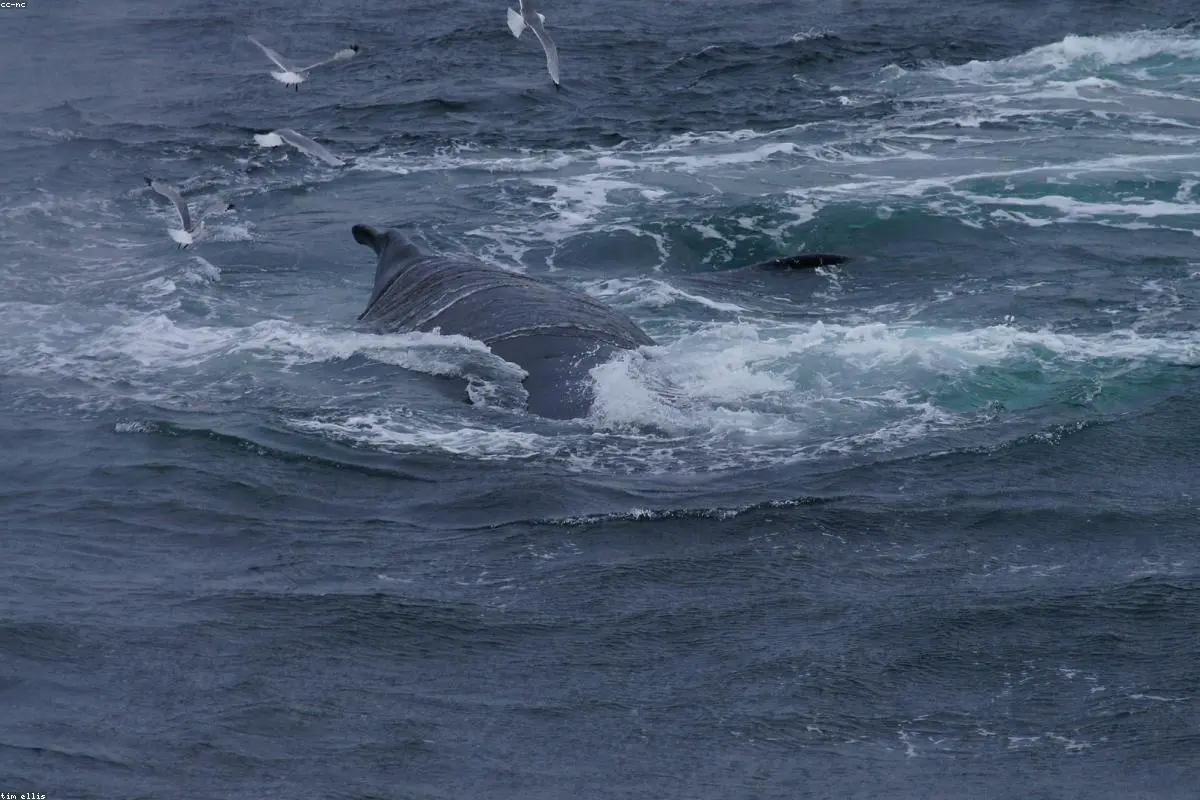
An Unlikely Passenger in the Kiel Canal
It is not every day that the industrial landscape of the German coastline plays host to one of the ocean's most mysterious deep-divers. However, residents and authorities near the city of Kiel recently witnessed a sight that felt more like a scene from a Hollywood blockbuster than a standard day at the docks. A northern bottlenose whale, far from its usual deep-water habitat, found itself trapped in the shallow, brackish waters of the Baltic Sea, prompting a high-stakes rescue operation that involved heavy machinery and a massive barge.
The whale, a species typically found in the icy, profound depths of the North Atlantic, had somehow wandered into the narrow confines of the Kiel Fjord. In these shallow waters, the animal's sophisticated sonar—designed for navigating dark, underwater canyons—becomes more of a liability than an asset. The echo-chamber effect of the coastline and the constant hum of shipping traffic likely left the creature disoriented and exhausted. By the time rescuers arrived, the urgency was palpable; a whale of this size cannot survive long in environments where it cannot properly dive or feed.
The Logistics of a Heavyweight Rescue
Moving a living creature that weighs several tons is a task that defies simple solutions. Unlike a grounded ship, a whale is a delicate, breathing organism that can suffer from immense stress and internal organ damage if handled incorrectly. Local maritime authorities, in coordination with marine biologists and veterinarians, decided that the only way to save the animal was to literally ferry it out of the danger zone.
Using a specialized pontoon barge, crews carefully maneuvered the whale into a position where it could be lifted—not by its tail or fins, which would cause fatal injuries, but supported by a massive, custom-made sling. The sight of the whale resting on the deck of a barge as it was towed toward the deeper waters of the North Sea was a testament to the ingenuity of the rescue teams. According to reports from the BBC, the operation required a delicate balance of speed and caution to ensure the whale remained hydrated and calm throughout the transit.
Why the Baltic is a 'Death Trap' for Bottlenose Whales
To understand why this rescue was so critical, one must look at the geography of the region. The Baltic Sea is relatively shallow and has a low salt content compared to the Atlantic. For a northern bottlenose whale, it is effectively a dead end. Once these animals pass through the narrow straits between Denmark and Sweden, they often struggle to find their way back out. Without the high-pressure environment they are adapted to, their physiological systems begin to fail.
This incident is part of a broader trend of unusual marine sightings that have caught the attention of those following International environmental news. Experts are increasingly concerned that shifting ocean currents and rising water temperatures are pushing deep-sea species into territories where they simply cannot survive. Whether it is a change in the distribution of prey or a disruption in migratory cues, the presence of this whale in German waters is a clear signal that something is shifting in the marine ecosystem.
A Broader Perspective on Marine Conservation
While the successful transport of the whale to the North Sea is a reason to celebrate, the long-term outlook for such disoriented animals remains uncertain. The stress of the stranding and the subsequent rescue can have lingering effects. However, the cooperation seen in Germany—between government agencies, private maritime companies, and animal welfare experts—provides a blueprint for how modern society can respond to the intersection of nature and industry.
Key challenges faced during the operation included:
- Hydration: Keeping the whale's skin moist during the barge transport to prevent overheating and cracking.
- Noise Control: Minimizing engine noise to reduce the animal's stress levels.
- Veterinary Supervision: Constant monitoring of breathing rates to ensure the whale didn't succumb to shock.
The successful release of the whale into the North Sea represents more than just a win for one individual animal. It serves as a reminder of the immense resources required to rectify the accidental damage caused by our encroaching industrial footprint. As shipping lanes become more crowded and ocean temperatures continue to fluctuate, these 'unlikely' encounters may become more common, demanding even more sophisticated responses from the global community.
As the whale eventually slipped back into the dark, cold waters of its natural home, the teams on the barge could finally breathe a sigh of relief. The mission was a rare triumph of logistics and compassion over the harsh realities of a changing ocean. While the whale's journey ahead is still fraught with the natural dangers of the deep, it at least has a fighting chance—one that it wouldn't have had without a barge, a sling, and a dedicated team of humans willing to go the extra mile.


