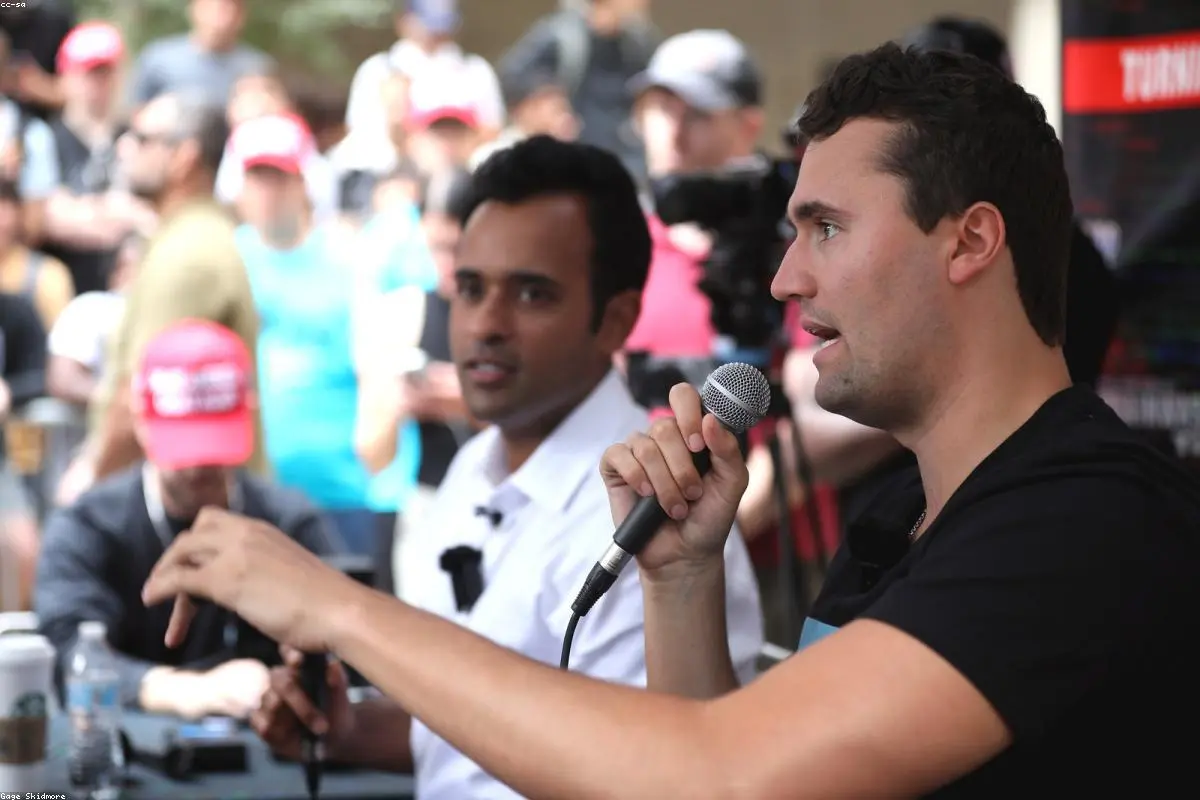
The Disruptor’s New Frontier
In a move that surprised many political pundits who expected him to remain on the federal stage, Vivek Ramaswamy has clinched the Republican nomination for the governorship of Ohio. The biotech entrepreneur and former presidential candidate turned what began as a speculative bid into a decisive victory, successfully tapping into the same 'outsider' energy that fueled his national profile. As the dust settles on the primary, it is clear that Ramaswamy’s brand of anti-establishment politics has found a fertile home in the heart of the Midwest.
His victory speech, delivered to a raucous crowd in Columbus, focused heavily on the concept of 'revival.' Rather than sticking to traditional state-level talking points like infrastructure or local tax codes, Ramaswamy framed his win as the first step in dismantling what he calls the 'administrative state' at the state level. He promised to treat the Ohio government like a bloated corporation in need of a radical turnaround, a message that resonated deeply with a primary electorate weary of career politicians.
From the Presidential Trail to the Buckeye State
The transition from a presidential run to a gubernatorial race is a path rarely traveled in the modern era, where most unsuccessful candidates set their sights on cabinet positions or media contracts. However, Ramaswamy’s pivot suggests a calculated strategy to build a governing record that can serve as a future launchpad. By securing the nomination in a state as pivotal as Ohio, he has effectively moved from being a voice in the room to a man who might soon hold the keys to the governor’s mansion.
Political analysts suggest that this win reflects a broader shift within the GOP. The primary results indicate that the 'America First' wing of the party is no longer content with just influencing the top of the ticket; they are systematically seeking executive power in state capitals. Ramaswamy’s ability to outmaneuver more established local figures underscores the power of a nationalized political brand in a local primary contest.
A Victory Watched Beyond Borders
While the race was fought on the ground in Ohio, the implications are being felt far beyond the state’s borders. The rise of business-centric populist leaders is a phenomenon currently observed within the International political landscape, where traditional party structures are being challenged by charismatic outsiders. From South America to Western Europe, the 'entrepreneur-as-statesman' archetype is gaining traction, making Ramaswamy’s success a point of interest for global political observers.
According to reports from the BBC, this trend of high-profile national figures returning to local roots is becoming a key narrative in Western democracies. The international community often looks to Ohio as a bellwether for American sentiment, and Ramaswamy’s nomination sends a clear signal about the direction of conservative ideology in the United States. His platform, which combines aggressive deregulation with a firm stance on cultural issues, mirrors movements seen in other major economies grappling with the balance of globalism and local sovereignty.
The Strategy of Disruption
Throughout his campaign, Ramaswamy utilized a multi-platform media strategy that bypassed traditional news outlets in favor of direct-to-consumer digital engagement. This approach allowed him to maintain a constant presence in the lives of voters, framing his lack of previous political office not as a deficit, but as his greatest asset. His primary campaign was built on several core pillars:
- Economic Sovereignty: A promise to make Ohio the most business-friendly state in the Union by cutting the regulatory state by half.
- Educational Reform: Shifting power back to parents and away from teachers' unions, emphasizing vocational training over traditional degree paths.
- Institutional Accountability: Vowing to audit every state department to root out what he describes as 'bureaucratic rot.'
- Energy Independence: Leveraging Ohio’s natural resources to lower costs for residents and attract manufacturing back to the Rust Belt.
Looking Toward November
Winning the primary is only half the battle. As Ramaswamy moves toward the general election, he faces the challenge of pivoting his message to appeal to a broader demographic. Ohio has trended red in recent years, but the gubernatorial race often hinges on moderate voters who prioritize pragmatism over ideology. The Democratic opposition is already preparing to frame Ramaswamy as a 'nationalist celebrity' more interested in his own brand than the day-to-day needs of Ohioans.
Despite these challenges, the momentum is undeniably on his side. His ability to raise significant capital and command media attention gives him a logistical advantage that few state-level candidates can match. If he succeeds in November, he will become one of the youngest and most ideologically distinct governors in Ohio's history, potentially setting a new template for how the modern Republican party governs in the 21st century.
The road to Columbus is still long, but for tonight, the Ramaswamy camp is celebrating a victory that many said was impossible. It wasn't just a win for a candidate; it was a proof of concept for a new type of political career—one that values movement-building over traditional apprenticeship. As the general election season begins, all eyes will remain on Ohio to see if this brand of 'corporate populism' can survive the scrutiny of a general electorate.


