Venezuela's Oil Ghost Towns Hope Trump Plan Will Revive Their Fortunes
Puerto La Cruz, Venezuela – The once-bustling streets of Puerto La Cruz, a city once synonymous with Venezuela’s oil wealth, now echo with emptiness. Buildings stand derelict, businesses are shuttered, and a pervasive sense of abandonment hangs in the air. But a recent decision by the US government, allowing direct oil sales from Venezuela, is sparking a flicker of hope amongst residents who have endured years of economic hardship. This potential shift in international policy could be a turning point for communities across Venezuela, heavily reliant on the oil industry.
The Fall of an Oil Empire
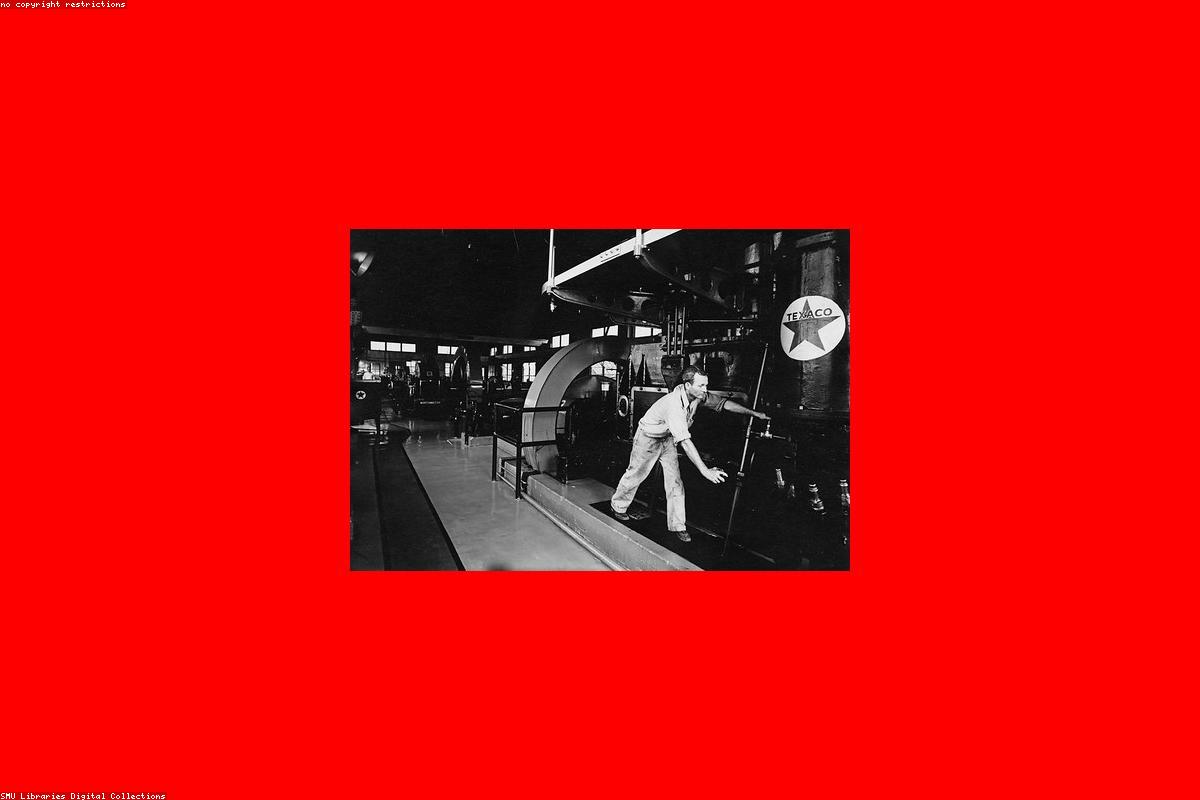
For decades, Venezuela boasted some of the largest oil reserves in the world. Cities like Puerto La Cruz, Maracaibo, and Ciudad Ojeda thrived as hubs for the petroleum industry, attracting workers and investment. However, a combination of mismanagement, corruption, and US sanctions led to a dramatic decline in oil production, plunging the country into a deep economic crisis. The exodus of skilled workers, coupled with hyperinflation and shortages of basic goods, transformed these once-vibrant cities into “ghost towns.” According to reports, the oil industry, once contributing nearly 90% of Venezuela’s export earnings, now accounts for a fraction of that figure.
Trump Administration's New Approach
The US government, under the Trump administration, has authorized companies to directly purchase oil from Venezuela, bypassing the state-owned oil company, PDVSA, which has been subject to stringent sanctions. This move, announced in February, is intended to encourage increased oil production and provide a much-needed economic boost to the country. The BBC reports on this development extensively, detailing the complexities and potential impacts of the policy: https://www.bbc.com/news/articles/ckgnp8n40reo?at_medium=RSS&at_campaign=rss. The hope is that allowing direct sales will incentivize independent oil companies to invest in Venezuela’s aging infrastructure and restart production.
Cautious Optimism and Challenges Ahead
While the news has been met with cautious optimism, residents remain skeptical. Years of broken promises and economic instability have eroded trust. “We’ve heard this before,” says Maria Rodriguez, a former oil worker in Puerto La Cruz. “We need to see real investment, real jobs, and a sustainable plan for the future.” The challenges are significant. Venezuela’s oil infrastructure is in dire need of repair, and attracting foreign investment will require significant political and economic reforms. Furthermore, the potential for corruption and mismanagement remains a concern. The success of this plan hinges on the ability of the Venezuelan government to create a stable and transparent business environment.
Impact on the Wider International Landscape
This shift in US policy also has broader international implications. Increased oil production from Venezuela could help to stabilize global oil prices, particularly in light of ongoing geopolitical tensions. It also represents a potential softening of US policy towards Venezuela, potentially paving the way for further diplomatic engagement. However, critics argue that the move could inadvertently benefit the current Venezuelan government, allowing it to circumvent sanctions without addressing underlying issues of democracy and human rights. For more on international affairs, see our International section.
A Long Road to Recovery
The revival of Venezuela’s oil towns will be a long and arduous process. The US plan offers a glimmer of hope, but it is not a panacea. Significant investment, political stability, and economic reforms are essential for a sustainable recovery. For the residents of Puerto La Cruz and other oil-dependent communities, the future remains uncertain, but the possibility of a brighter tomorrow is, for the first time in years, within reach.