A New Chapter for School Support Staff: The Push for Paraprofessional Rights
They are the quiet architects of inclusive classrooms, the dedicated mentors supporting students with special needs, and the invaluable partners to teachers across every grade level. Paraprofessionals, often known as teaching assistants or instructional aides, form the bedrock of daily school operations. Yet, despite their indispensable contributions, their roles have historically been undervalued, underpaid, and often lacked clear professional guidelines. Now, a significant movement is gaining momentum, with no fewer than 18 states actively considering or pushing for a formal ‘Bill of Rights’ for these crucial school staff members.
This widespread legislative effort signals a growing recognition that the well-being and professionalization of paraprofessionals are directly linked to the quality of education students receive. It's a call to action to address long-standing inequities and provide the stability and respect these essential educators deserve.
Who Are Paraprofessionals and Why Are They So Important?
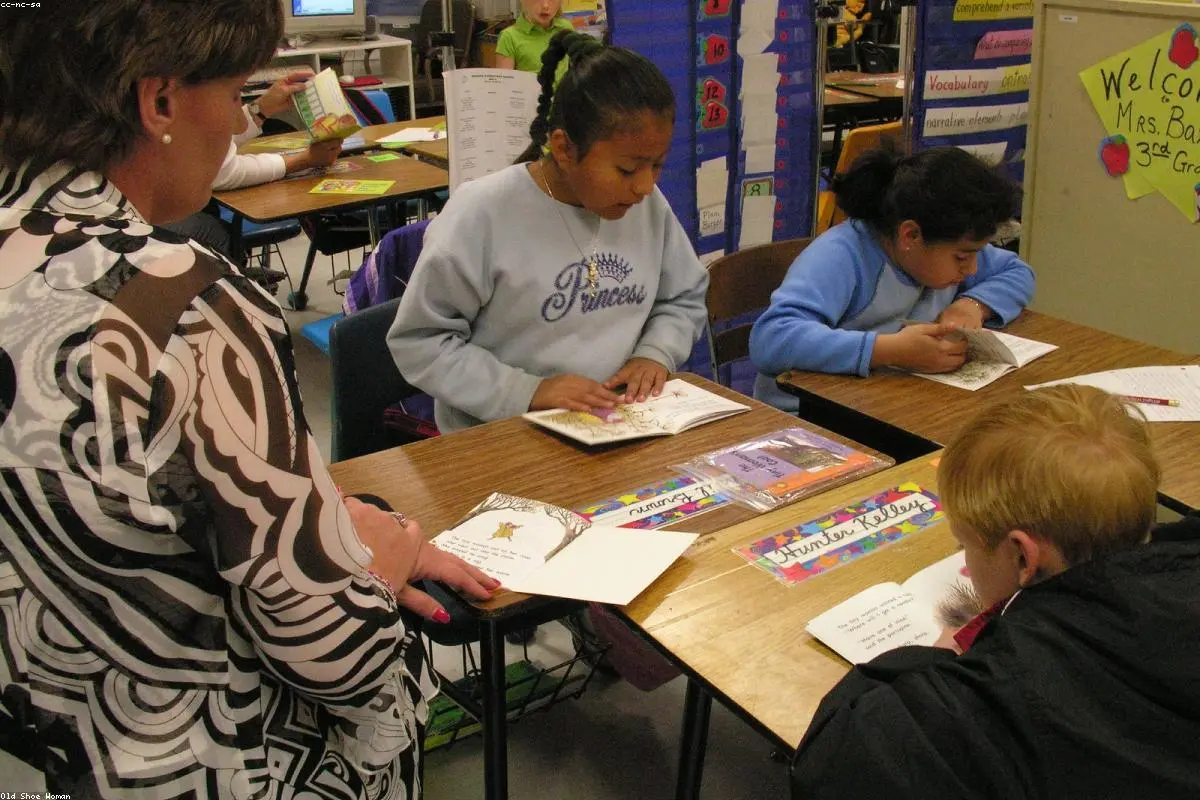
Paraprofessionals are frontline educators who work directly with students, often providing individualized or small-group support. Their responsibilities can span a wide spectrum: assisting students with disabilities, reinforcing lessons, managing classroom behavior, preparing materials, and even performing clerical tasks. For many students, particularly those requiring specialized attention, a paraprofessional is a constant, reassuring presence, instrumental in their academic and social development.
In fact, the increasing complexity of student needs, particularly in special education, has amplified their importance. Without their dedicated support, many teachers would struggle to meet the diverse demands of a modern classroom, and countless students would miss out on vital personalized instruction. They are, in essence, the gears that keep the intricate machinery of our education system running smoothly.
The Case for a 'Bill of Rights': Addressing Systemic Challenges
Despite their critical impact, paraprofessionals frequently face significant professional hurdles. Common issues include:
- Low Wages and Insufficient Benefits: Many earn wages barely above the poverty line, often without comprehensive health benefits or retirement plans, leading to high turnover rates and financial insecurity.
- Lack of Professional Development: Opportunities for ongoing training, skill enhancement, and career advancement are often scarce, despite the evolving demands of their roles.
- Unclear Job Descriptions and Scope of Work: Roles can be ambiguous, leading to confusion, burnout, and sometimes being asked to perform tasks outside their training or pay grade.
- Limited Recognition and Respect: Their contributions are often overlooked, leading to feelings of being unappreciated and marginalized within the school community.
- Inadequate Support Systems: Many lack proper channels for voicing concerns or advocating for better working conditions.
A 'Bill of Rights' aims to tackle these systemic problems head-on, seeking to standardize expectations, professionalize the role, and ensure a baseline of dignity and support for these vital staff members.
What Might a Paraprofessional 'Bill of Rights' Entail?
While the specifics will vary by state, common provisions being discussed or proposed typically include:
- Fair and Living Wages: Mandating salaries that reflect their training, responsibilities, and the cost of living.
- Comprehensive Benefits: Ensuring access to health insurance, paid leave, and retirement plans.
- Access to Professional Development: Guaranteed opportunities for training relevant to their roles, including special education techniques, behavior management, and instructional strategies.
- Clear Job Descriptions: Defining responsibilities, limitations, and expectations to prevent scope creep and ensure clarity.
- Safe and Supportive Work Environments: Including protection from harassment, access to appropriate resources, and clear grievance procedures.
- Inclusion in Decision-Making: Providing avenues for paraprofessionals to contribute to discussions that impact their work and the students they serve.
The movement for these rights is being driven by a coalition of educators, unions, and parent advocacy groups, all recognizing the symbiotic relationship between staff well-being and student success.
A Multi-State Momentum: Why Now?
The fact that this legislative push is happening simultaneously in 18 states, as highlighted by reports like the one from EdWeek, underscores a critical shift in how educational institutions and policymakers view their support staff. The COVID-19 pandemic further illuminated the essential, often precarious, nature of their work, bringing their struggles into sharper focus. School districts across the nation are grappling with staff shortages, and improving conditions for paraprofessionals is seen as a key strategy for recruitment and retention.
This isn't just about fairness; it's about strategic investment in the future of education. By empowering and valuing paraprofessionals, schools can foster more stable, experienced, and effective support systems for students, particularly those with complex learning needs. The ripple effect could lead to improved student outcomes, reduced teacher burnout, and a stronger, more resilient public school system overall.
Looking Ahead: Challenges and Hopes
While the momentum is strong, the path to implementing a comprehensive 'Bill of Rights' will undoubtedly face challenges, including budgetary constraints and logistical complexities in diverse school districts. However, proponents argue that the long-term benefits of a professionalized and respected paraprofessional workforce far outweigh these initial hurdles.
As these 18 states navigate their legislative processes, the eyes of the entire educational community will be watching. The outcome could set a powerful precedent, transforming the landscape for school support staff nationwide and reaffirming the profound value of every individual who contributes to a child's learning journey.