What is Hantavirus and How Does It Spread?
When we talk about infectious diseases, our minds often jump to human-to-human transmission, but some of the most persistent threats come from the natural world around us. Hantavirus is one such example – a mysterious and potentially severe illness that frequently surfaces in news reports, often leaving people wondering about its origins and how it actually infects humans. Let's demystify this virus and understand the critical steps for prevention.
Understanding the Hantavirus Family
At its core, hantavirus is a group of viruses carried by certain rodents without causing illness in their animal hosts. These viruses are found globally, but the specific types of hantaviruses and the diseases they cause can vary by region. In the Americas, the most well-known form is the Sin Nombre virus, which primarily causes Hantavirus Pulmonary Syndrome (HPS), a severe respiratory illness. Elsewhere, particularly in Europe and Asia, other hantaviruses can lead to Hemorrhagic Fever with Renal Syndrome (HFRS), which affects the kidneys.
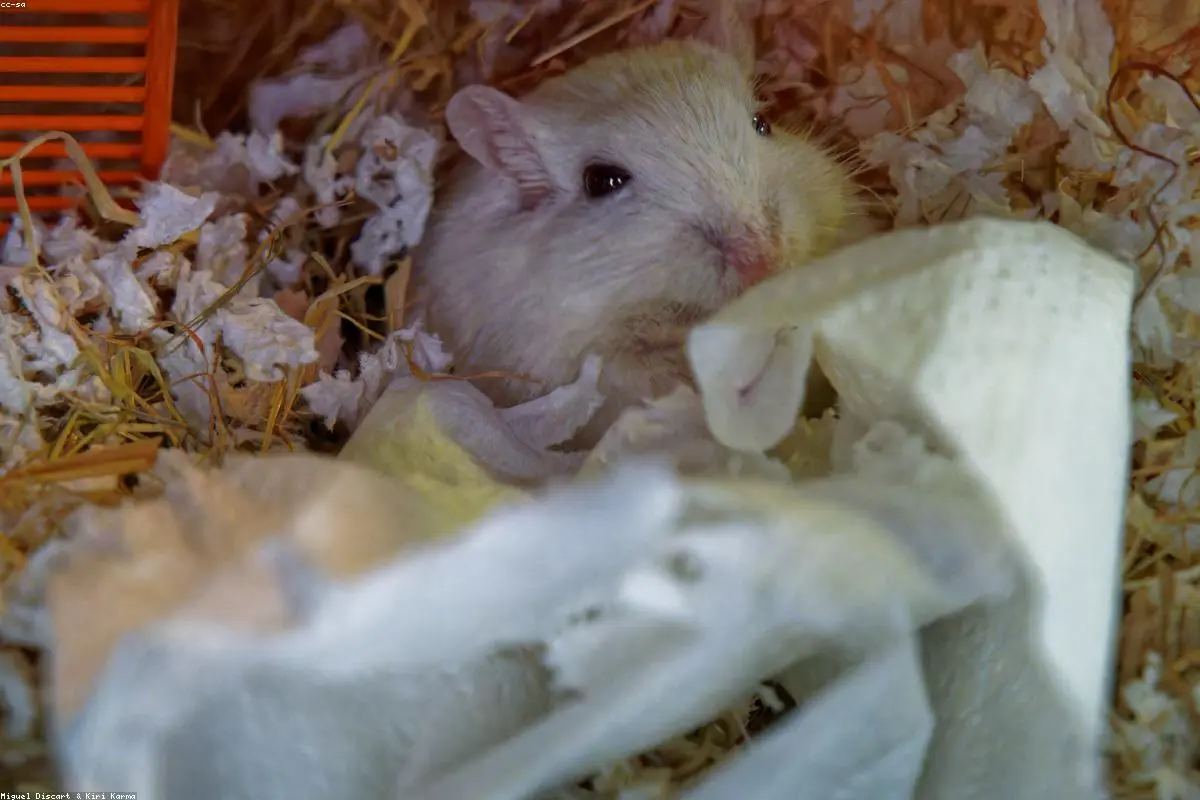
The key takeaway here is that while the symptoms might differ, the fundamental source remains the same: rodents. These small mammals, such as deer mice, white-footed mice, rice rats, and cotton rats, are the natural reservoirs, silently carrying the virus and shedding it into their environment.
The Primary Route: Airborne Exposure to Rodent Waste
This is where understanding hantavirus transmission becomes particularly vital. Unlike many common viruses that spread through coughing or sneezing between people, hantavirus typically doesn't pass from one person to another. Instead, the primary route of infection for humans is through contact with aerosolized rodent urine, droppings, or saliva.
Imagine this scenario: an infected mouse leaves droppings and urine in a shed, garage, or even an unused corner of your home. As these materials dry, tiny viral particles become airborne. When you then enter that space and disturb the contaminated area – perhaps sweeping, cleaning out boxes, or even just breathing heavily – you can inhale these invisible particles directly into your lungs. This is the most common way people contract HPS.
Other, less common ways of transmission include:
- Direct contact: Touching contaminated surfaces or materials and then touching your nose or mouth.
- Rodent bites: Though rare, a bite from an infected rodent can transmit the virus.
- Ingestion: Consuming food or water contaminated with rodent waste.
It’s important to emphasize that simply seeing a mouse doesn't mean you'll get hantavirus. The risk comes from environments where rodents have been active and their waste has accumulated, especially in poorly ventilated, enclosed spaces. As a recent BBC article highlighted, awareness and proper environmental management are crucial for mitigating this risk (source).
Recognizing Symptoms and the Importance of Early Action
Symptoms of HPS typically appear one to five weeks after exposure. Initially, they can mimic the flu: fever, muscle aches, fatigue, headache, dizziness, chills, and abdominal problems. However, within a few days, respiratory symptoms can rapidly worsen, leading to coughing and severe shortness of breath as the lungs fill with fluid. HPS has a high mortality rate, making early recognition and medical attention critical.
For HFRS, symptoms generally appear one to two weeks after exposure and include intense headaches, back and abdominal pain, fever, chills, nausea, and blurred vision. As the disease progresses, patients may experience low blood pressure, acute shock, and kidney failure.
Prevention: Your Best Defense
Given that there's no specific cure or vaccine for hantavirus, prevention is undeniably your most powerful tool. The strategy revolves around rodent control and safe clean-up practices:
- Seal Entry Points: Prevent rodents from entering your home, sheds, or outbuildings. Seal holes and gaps in walls, floors, and foundations.
- Eliminate Food Sources: Store food in rodent-proof containers. Keep areas clean, both indoors and outdoors.
- Ventilate Before Cleaning: Before entering potentially infested areas (like basements, attics, or cabins that have been closed up), open doors and windows for at least 30 minutes to air out the space.
- Safe Cleaning Practices: Do not sweep or vacuum dry rodent droppings, as this can aerosolize the virus. Instead, wear rubber gloves and spray the droppings and nesting materials with a household disinfectant or a bleach solution until thoroughly soaked. Allow it to sit for 5-10 minutes, then wipe it up with paper towels and place everything in a sealed bag before discarding. Mop floors with disinfectant.
- Use Personal Protective Equipment (PPE): When cleaning up rodent-infested areas, wear gloves, a respirator (like an N95 mask), and eye protection.
Understanding hantavirus means recognizing its silent threat and taking proactive steps to protect yourself and your family. By managing rodent populations and practicing safe clean-up, we can significantly reduce the risk of this severe public health concern.