The Sound of the Siren in a City on Edge
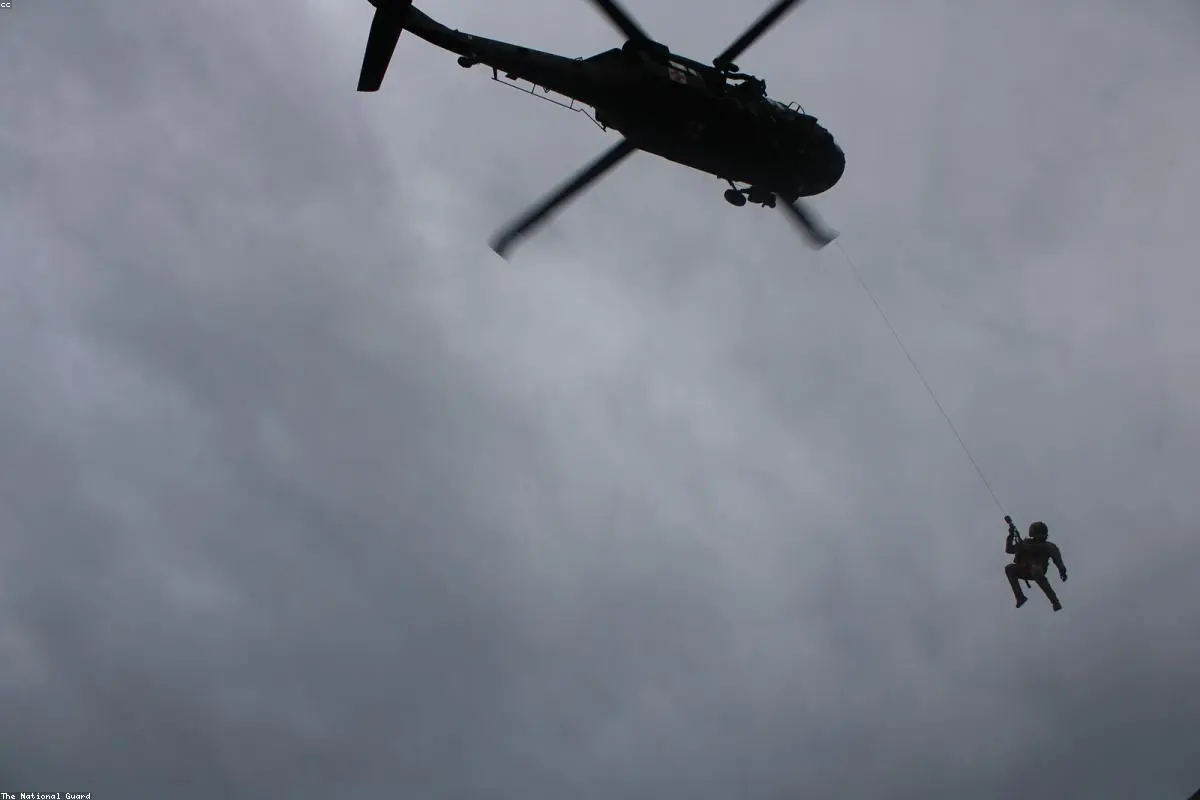
In the narrow, winding streets of Lebanon, the sound of a siren is no longer just a warning; it is a pulse. It signals another strike, another collapse, and another desperate race against the clock. For the paramedics of the Lebanese Civil Defense and the Red Cross, the shift never truly ends. Recently, a BBC team joined these first responders on the front lines, documenting the chaotic and often heartbreaking reality of providing emergency care under the shadow of Israeli airstrikes.
The atmosphere inside the ambulance is a jarring mix of clinical precision and raw adrenaline. Radios crackle with coordinates of the latest impact sites, while paramedics prep bandages and oxygen masks with the practiced ease of those who have seen too much. This isn't just medical work; it’s a high-stakes gamble where the house usually holds the cards. As the conflict between Israel and Hezbollah escalates, the humanitarian toll is mounting, and those tasked with picking up the pieces are finding themselves increasingly in the line of fire.
Navigating the 'Double Tap' and the Dust
One of the most terrifying aspects of the current situation, as highlighted in the BBC’s recent reporting, is the fear of the 'double tap' strike. This occurs when a second missile hits the same location shortly after the first, often just as rescue teams arrive to pull survivors from the rubble. It is a psychological weight that sits heavy on every driver and medic.
"You don't think about the danger while you're driving," one paramedic told the film crew, his face illuminated by the red glow of the dashboard. "If you think about it, you won't go. You only think about the person under the concrete." This sentiment is echoed across the service. The physical exhaustion is visible—dark circles under eyes and hands that tremble slightly during rare moments of stillness—but the commitment to the mission remains unshaken despite the crumbling infrastructure around them.
The geography of the crisis spans from the densely populated southern suburbs of Beirut, known as Dahiyeh, to the ancient hills of the south. In each location, the challenges differ. In the city, it’s about navigating through debris-strewn streets and avoiding falling glass. In the rural south, it’s about reaching isolated villages where the roads have been cratered by munitions, making every kilometer a logistical nightmare.
The Broader Humanitarian Crisis
Beyond the immediate trauma of the blast zones, Lebanon is grappling with a systemic collapse. For those following the wider international implications of this conflict, the strain on the healthcare system is a primary concern. Many hospitals are already operating at or beyond capacity, struggling with a lack of fuel, medical supplies, and specialized staff who have fled the country over years of economic instability.
Every casualty brought in by these paramedics adds to a tally that the country’s social fabric is struggling to bear. The BBC's presence on these missions provides a rare, unvarnished window into the civilian experience—a perspective often lost in the geopolitical analysis of missile ranges and strategic objectives. We see families waiting outside emergency rooms, the dust of their homes still coating their hair, and children who have learned to distinguish the sound of a drone from a commercial jet before they’ve learned their multiplication tables.
A Resilience Pushed to the Brink
It is often said that Lebanon is a country defined by its resilience, but the paramedics on the ground are quick to dismiss the romanticization of their suffering. Resilience, they argue, is what you are forced to have when there is no other choice. Their work is a testament to human empathy in its purest form, but it is also a cry for help to the global community.
The diplomatic efforts to secure a ceasefire remain a frequent topic of conversation during the lulls between calls. There is a weary hope that international pressure might eventually silence the skies, but until then, the sirens will continue to wail. The paramedics will continue to pull on their vests, check their supplies, and head back into the smoke.
As the night deepens in Beirut, another explosion echoes in the distance. Without a word, the team the BBC accompanied is back in the vehicle. The engine roars to life, and they disappear into the darkness. It is another call, another life to fight for, and another night where the line between the rescuers and the rescued becomes dangerously thin. Their story isn't just about war; it's about the refusal to look away when the world is burning.