Uganda Celebrates a Resounding Victory: Last Ebola Patient Discharged Amidst Jubilation
A wave of profound relief and jubilation swept through Uganda this week, marking a significant triumph in the nation's battle against the deadly Ebola virus. The discharge of the final patient signals a pivotal turning point, offering hope and a testament to the resilience of its people and public health system.
The scene at Mubende Regional Referral Hospital, the epicenter of the outbreak, was one of unbridled joy. Cheers erupted as the last remaining patient, a young woman who had bravely fought the virus, walked out of the treatment unit. She was embraced by her family and greeted by health workers, whose faces, usually etched with exhaustion and concern, now shone with a shared sense of victory. This deeply human moment underscored the immense effort and sacrifice that had gone into containing an outbreak that threatened to spiral out of control.
A Relentless Battle Against an Elusive Foe
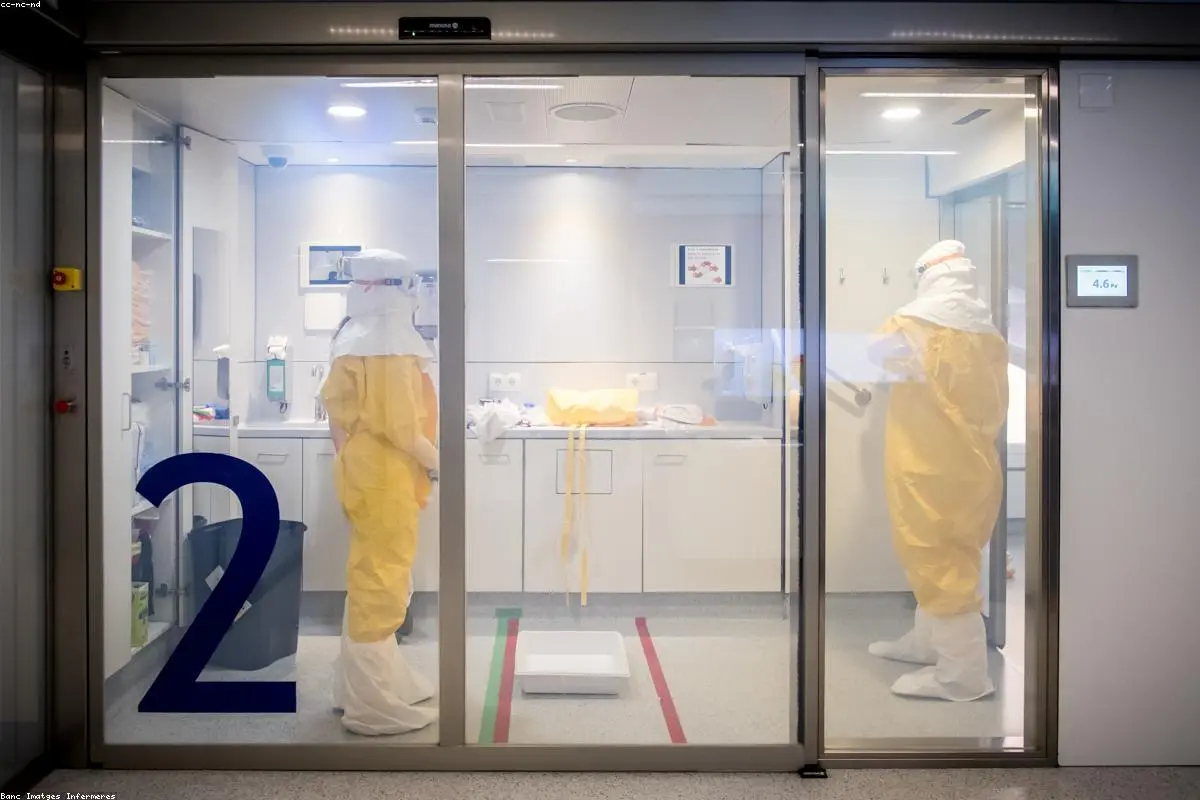
The battle against the Sudan Ebola Virus, first detected in September, has been a relentless test for Uganda. The outbreak, centered initially in the central district of Mubende, quickly presented formidable challenges. The Sudan strain is particularly insidious, lacking a proven vaccine or specific treatment, unlike the more common Zaire strain. This meant Uganda's public health response had to rely heavily on fundamental, yet highly effective, strategies: rapid case identification, meticulous contact tracing, community engagement, and stringent infection control.
According to a report by the BBC, the initial days of the outbreak were characterized by uncertainty and fear. However, the Ugandan government, under the leadership of its Ministry of Health, moved swiftly. They declared an immediate outbreak, mobilized resources, and implemented measures to contain the spread, including lockdowns in affected areas and a robust public awareness campaign. These decisive actions, though challenging for communities, proved crucial in breaking the chains of transmission.
The Pillars of Success: Community, Collaboration, and Commitment
Uganda's success in discharging its last patient and moving towards officially declaring an end to the outbreak wasn't a stroke of luck; it was the culmination of a multi-faceted approach built on several key pillars:
- Swift and Decisive Leadership: The rapid declaration of an outbreak and the implementation of containment measures set a critical precedent.
- Robust Public Health Infrastructure: Despite resource constraints, Uganda's experience with previous outbreaks enabled a quick activation of surveillance systems and emergency response protocols.
- Community Engagement: Gaining the trust and cooperation of local communities was paramount. Health workers, often risking their own lives, engaged tirelessly in door-to-door education, dispelling myths, and encouraging early reporting. This human connection proved invaluable.
- International Collaboration: Support from organizations like the World Health Organization (WHO), Médecins Sans Frontières (MSF), and various international partners provided critical resources, expertise, and training, enhancing Uganda's response capacity. This highlights the crucial role of international cooperation in global health crises.
- Dedicated Health Workforce: The resilience and unwavering commitment of Ugandan healthcare workers, from doctors and nurses to community health volunteers, formed the backbone of the entire operation.
Beyond the Immediate Relief: Lessons for Global Health
Beyond the immediate relief and celebration, Uganda's journey offers vital lessons for global health preparedness and response. It demonstrates that even against a highly lethal virus without specific treatments, a well-coordinated, community-centric, and politically supported public health effort can achieve remarkable results. The emphasis on contact tracing, safe burials, and public awareness campaigns proved to be powerful tools.
This success story also underscores the importance of investing in national health systems and strengthening surveillance capabilities, particularly in regions prone to emerging infectious diseases. It reinforces the idea that an effective response is not just about medical science, but also about sociology, logistics, and strong leadership.
A Cautiously Optimistic Future
While the jubilation is well-deserved, Ugandan health authorities maintain a vigilant stance. The country now enters a 42-day period during which no new cases must be reported for the outbreak to be officially declared over by the World Health Organization. This monitoring phase is crucial to ensure there are no lingering chains of transmission.
The focus will now shift to recovery and rebuilding, addressing the socio-economic impacts on communities affected by lockdowns and the psychological toll on survivors and health workers. Yet, as the last patient walks free, Uganda stands as a powerful example of determination and collective action in the face of adversity. This 'moment of joy' is not just for Uganda; it is a beacon of hope for the entire international community grappling with the complex challenges of global public health.