The Art of the Strategic Delay
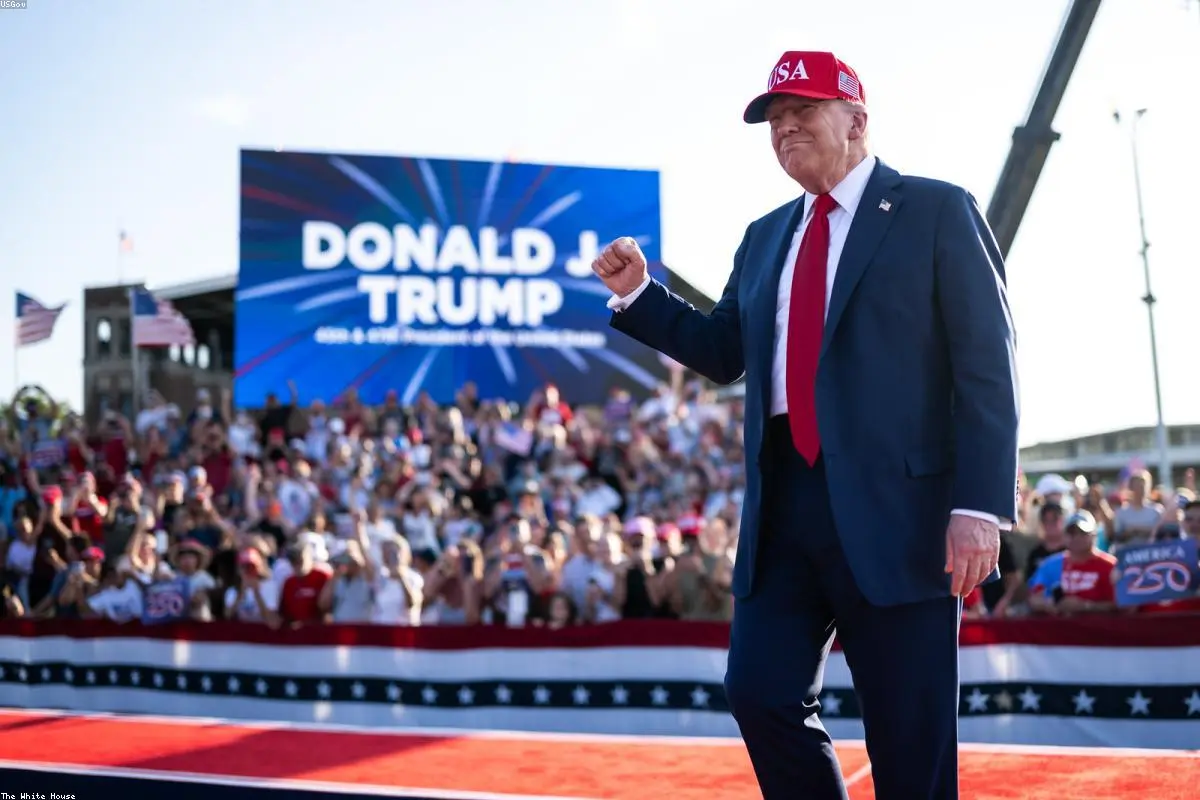
Donald Trump has never been one to follow the traditional diplomatic playbook. In his latest move on the global stage, the US President has instructed his negotiating team to pump the brakes on talks with Iran. According to a recent report by the BBC, Trump explicitly warned negotiators "not to rush" into any agreement, signaling a highly calculated approach to one of Washington's most enduring foreign policy headaches.
This directive reflects Trump's long-standing belief in transactional, leverage-based diplomacy. By advising his team to take their time, he is attempting to project absolute strength and strip Tehran of any leverage they might believe they hold. Historically, Trump has criticized his predecessors for entering "weak" agreements out of a desperate desire for quick diplomatic victories. His message now is clear: the United States is in no hurry, and any potential deal must be negotiated entirely on American terms.
A Shift in the Geopolitical Landscape
The timing of this directive is critical. The Middle East remains incredibly volatile, with Iran's network of regional proxies active and its nuclear enrichment program advancing to worrying levels. In the broader arena of international relations, Western allies are watching Washington's moves with a mix of anxiety and pragmatism. While some hope for a rapid diplomatic breakthrough to stabilize the region, others fear that an overly prolonged stalemate could push Tehran to take more drastic measures.
To understand the depth of this tactic, one must look back at Trump's first-term "maximum pressure" campaign. After unilaterally pulling the US out of the 2015 nuclear deal (the JCPOA) in 2018, his administration crippled Iran's economy with severe sanctions. While those sanctions did not force Iran back to the negotiating table immediately, they severely restricted Tehran's financial resources. Today, Trump appears to be betting that a combination of renewed economic pain and strategic patience will eventually force Iran to make concessions that go far beyond the scope of the original nuclear agreement.
Tehran's Economic and Domestic Dilemma
For Iran's leadership, this "no-rush" stance presents a complex and high-stakes puzzle. President Masoud Pezeshkian's government faces severe domestic pressure, fueled by a struggling economy, inflation, and widespread public discontent. Tehran desperately needs sanctions relief to stabilize its internal affairs, but it cannot afford to look weak or desperate on the international stage.
- Economic Strain: Prolonged sanctions continue to devalue the Iranian rial and fuel inflation.
- Domestic Pressure: Public dissatisfaction makes the regime's stability vulnerable to prolonged economic hardship.
- Diplomatic Pride: Tehran must balance the urgent need for a deal with the necessity of maintaining a strong posture against US demands.
If Washington refuses to speed up negotiations, Iran may find itself at a crossroads. Its leaders will have to decide whether to escalate their nuclear activities further to force America's hand, or quietly offer concessions to jumpstart the talks.
The High Risks of the Waiting Game
However, playing the long game is not without significant danger. Nuclear experts warn that Iran's "breakout time"—the time required to produce enough weapons-grade fissile material for a nuclear bomb—is now shorter than ever. A prolonged delay in talks could inadvertently cross red lines set by regional powers, potentially triggering a wider conflict that Washington desperately wants to avoid.
Ultimately, Trump's directive is a high-stakes gamble. By telling his negotiators to hold their ground and wait, he is testing the absolute limits of Iran's economic and political endurance. Whether this patience yields the "grand bargain" Trump has long promised or instead sparks a dangerous escalation remains the defining foreign policy question of his current term.