A Decisive Stance on Tehran
In a move that has sent ripples through the global diplomatic community, Donald Trump has issued a high-stakes warning to the Iranian leadership. During a recent address, the former president emphasized that 'time is running out' for Tehran to return to the negotiating table regarding its nuclear program. This rhetoric marks a significant escalation in political pressure, occurring at a moment when the geopolitical landscape of the Middle East is increasingly volatile.
The warning is not merely verbal; it is underscored by a strategic shift in the region's security architecture. As the United States reinforces its military footprint in the Persian Gulf, the message to Iran is clear: the window for a diplomatic resolution is narrowing. This development has captured the attention of observers specialized in international relations, who suggest that we are entering a critical phase of brinkmanship.
The Urgency of the Nuclear Threshold
Central to this standoff is Iran's continued advancement of its nuclear capabilities. Since the United States' withdrawal from the original Joint Comprehensive Plan of Action (JCPOA) during the Trump administration, Tehran has steadily increased its stockpiles of enriched uranium and limited the access of international inspectors. Trump’s latest comments suggest that the current trajectory is unsustainable and that a 'better deal' must be reached before the situation reaches a point of no return.
Critics and supporters alike are weighing the potential outcomes of this 'maximum pressure' approach. While some argue it is the only way to bring Iran to a meaningful compromise, others fear it could inadvertently lead to a direct military confrontation that would destabilize global energy markets and regional security.
Strategic Military Movements in the Gulf
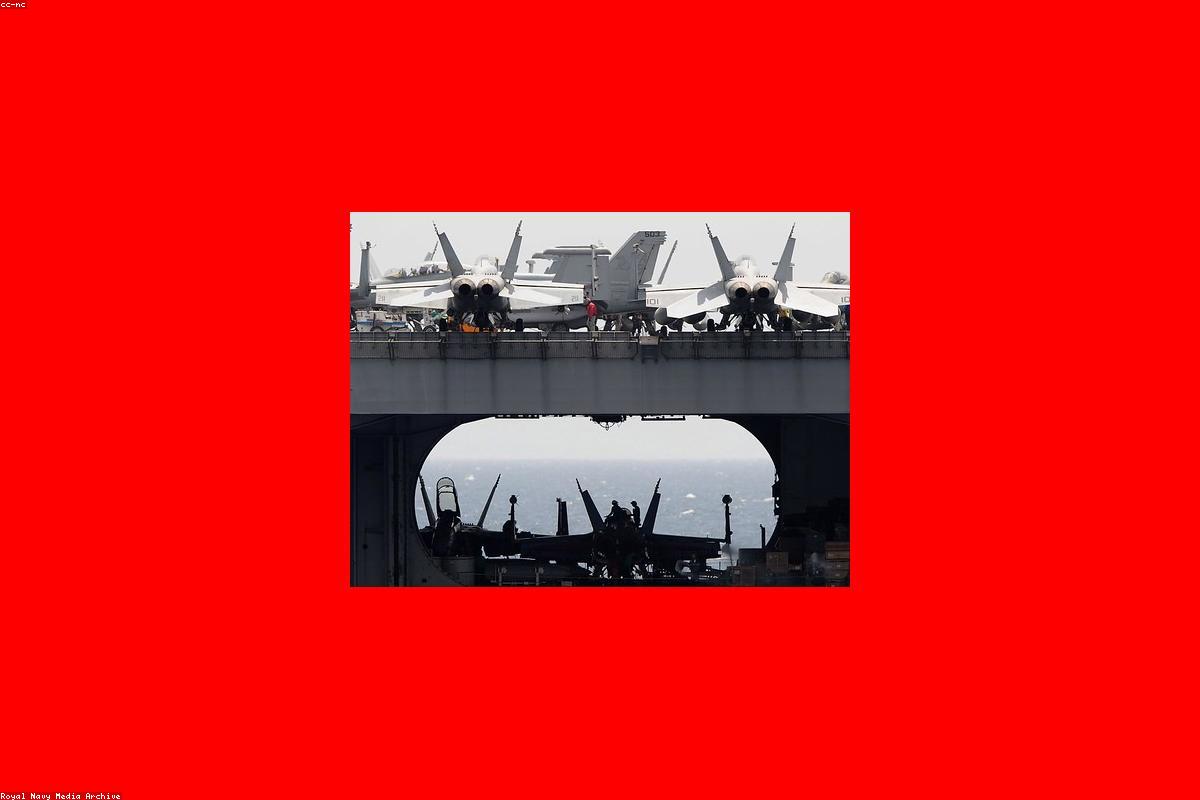
The rhetorical pressure from Washington is being matched by tangible movements on the ground—and in the water. Recent reports indicate a substantial buildup of US military assets in the Persian Gulf, including carrier strike groups and advanced aerial defense systems. This deployment is viewed by many as a dual-purpose strategy: deterrence and preparation.
The Pentagon has maintained that these movements are aimed at protecting US interests and ensuring the freedom of navigation in the Strait of Hormuz, a vital artery for the world’s oil supply. However, the timing of the buildup, coinciding with Trump’s ultimatum, suggests a more coordinated effort to force Tehran’s hand. For more detailed insights into the specific military maneuvers, the original report by the BBC can be found at BBC News.
The Goal of Deterrence
Military analysts suggest that the buildup serves as a 'loud' form of diplomacy. By demonstrating a high state of readiness, the US aims to discourage any aggressive moves by Iranian-backed proxies in Iraq, Yemen, or Lebanon. The presence of high-end military hardware serves as a constant reminder of the potential costs of escalation, theoretically creating space for a diplomatic breakthrough—provided both sides are willing to engage.
Implications for Global Diplomacy
The international community remains divided on how to handle the Iranian nuclear file. European allies, while sharing concerns over Tehran's nuclear ambitions, have historically preferred a policy of engagement. However, the increasing military tension in the Gulf is making the 'middle ground' harder to maintain. Countries like Israel and Saudi Arabia are watching closely, as any shift in US-Iran relations directly impacts their national security strategies.
This situation highlights the complexity of modern international diplomacy, where economic sanctions, military posturing, and high-level rhetoric are inextricably linked. The coming months will likely determine whether this pressure leads to a new framework for peace or a more profound rupture in Middle Eastern stability.
Conclusion: A Crossroads for Middle East Security
The warning that 'time is running out' places the ball firmly in Tehran's court. With the US military presence in the Gulf at a peak and the rhetoric from Washington sharpening, the margin for error is razor-thin. Whether this strategy results in a revamped nuclear deal or further isolation for Iran remains the most pressing question in the realm of global foreign policy.
As the situation evolves, the world watches the Persian Gulf with bated breath, recognizing that the outcome of this standoff will resonate far beyond the borders of the Middle East, affecting global security and economic stability for years to come.