Trump Warns Iran: 'Time is Running Out' for Nuclear Deal Amidst Gulf Buildup
President Donald Trump has issued a stark warning to Iran, declaring that 'time is running out' for a new nuclear agreement amidst a significant U.S. military buildup in the Persian Gulf. This escalating rhetoric, coupled with the visible deployment of U.S. forces, signals a critical juncture in international relations in the Middle East, raising global concerns about regional security and the future of nuclear non-proliferation. The ultimatum follows persistent tensions since the U.S. withdrawal from the 2015 Iran nuclear deal (JCPOA), underscoring Washington's intensified pressure campaign against Tehran.
Trump's Stance and the Nuclear Deal Ultimatum
Trump's latest comments underscore his conviction that the JCPOA was flawed, insufficient in preventing Iran from developing nuclear weapons or curbing its ballistic missile program and destabilizing regional activities. He has consistently called for a 'better deal' that permanently restricts Iran's nuclear ambitions and addresses its broader military conduct. The President's assertion that 'time is running out' suggests a looming deadline for Iran to negotiate on Washington's terms, or face unspecified consequences.
A History of Tensions
The U.S. unilaterally withdrew from the JCPOA in May 2018, reimposing crippling sanctions on Iran's economy, particularly its vital oil sector. In response, Iran has gradually scaled back its commitments under the deal, increasing uranium enrichment levels and stockpiles beyond agreed limits, albeit under international supervision. This tit-for-tat escalation has kept international diplomacy on edge, with European powers struggling to preserve the original deal. The current scenario highlights deep divisions within the international community regarding the most effective approach to managing Iran's nuclear program and its geopolitical ambitions.
U.S. Military Buildup in the Persian Gulf
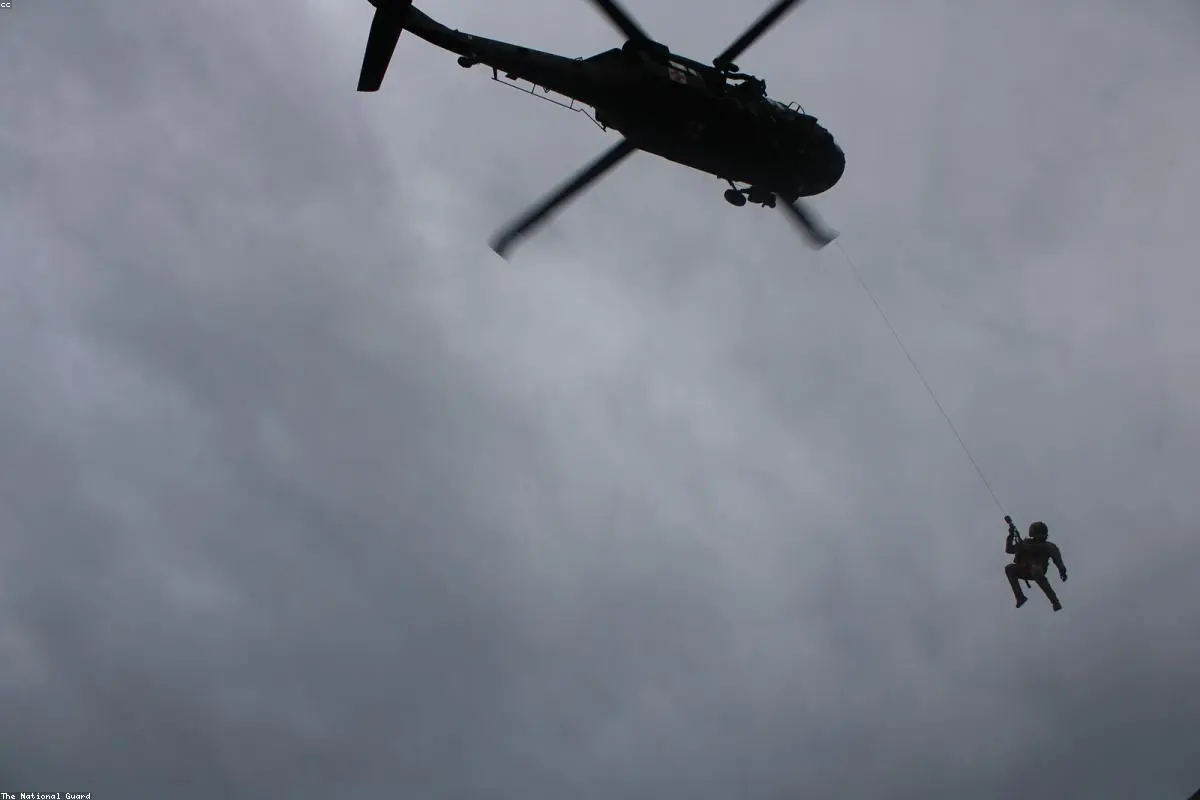
Coinciding with President Trump's stern warning is a noticeable surge in U.S. military assets in the strategic Persian Gulf region. Reports indicate the deployment of additional warships, advanced fighter jets, and troops, ostensibly to deter Iranian aggression and protect American interests and allies. This military build-up, framed by the Pentagon as a defensive posture, aims to send an unequivocal message to Tehran about U.S. capacity and resolve. However, such deployments heighten the risk of miscalculation, raising fears of an accidental spark igniting broader conflict. For many observers of US foreign policy, this move is a classic 'peace through strength' approach, aiming to compel Iran into negotiations. The presence of these forces adds another layer of complexity to the already volatile Middle East landscape, with implications for global stability. According to a recent report from the BBC, the specific nature of these deployments highlights the breadth of resources being mobilized.
International Reactions and Diplomatic Challenges
The intensified U.S. pressure has elicited varied reactions from other key players. European nations, still signatories to the JCPOA, continue to advocate for de-escalation and a diplomatic solution, concerned a military confrontation would be catastrophic for the Middle East and global economy. Russia and China, also parties to the original agreement, criticize the U.S. 'maximum pressure' campaign, urging restraint. The intricate dance of international diplomacy now faces one of its most challenging tests, as powers attempt to navigate between supporting allies and preventing conflict. The stakes are incredibly high, influencing not just the future of the Iran nuclear program but also the credibility of international agreements. Without a concerted international effort, the path to a peaceful resolution narrows significantly. This ongoing situation is a major topic in international relations discussions worldwide.
Implications for Global Stability
The looming deadline and military posturing create a precarious situation with wide-ranging implications for global stability. A breakdown of the nuclear deal and an uncontained escalation in the Persian Gulf could disrupt vital shipping lanes, trigger a surge in oil prices, and potentially draw in other regional actors. The possibility of proxy conflicts intensifying or direct confrontations arising from misjudgment weighs heavily on analysts. The geopolitical ramifications extend beyond energy markets, affecting trade routes and broader security architectures. The international community is keenly watching, hoping diplomacy can still prevail over a dangerous trajectory towards confrontation. The current climate underscores the delicate balance required in managing complex international disputes.
Conclusion: A Critical Juncture for International Relations
In conclusion, President Trump's unequivocal warning to Iran, coupled with a significant U.S. military build-up in the Persian Gulf, marks a perilous moment for international relations. The 'time is running out' ultimatum places immense pressure on Tehran to re-evaluate its nuclear program and regional posture. While the U.S. aims to compel a more favorable nuclear agreement, the risk of miscalculation and escalation remains alarmingly high. The world watches anxiously as international diplomacy strives to avert a full-blown crisis, underscoring the critical need for dialogue and de-escalation to preserve regional security and prevent wider implications for global stability.