A Grim Sunday in Sevastopol
On what should have been a routine weekend of sun and relaxation, the shores of Sevastopol in Russian-occupied Crimea became the backdrop for a harrowing scene of conflict. According to Russian officials, a Ukrainian missile strike on the port city resulted in the deaths of at least four people, including two children, while more than 150 others sustained injuries. The incident has sent shockwaves through the region, highlighting the precarious reality of life in a territory that sits at the very heart of the ongoing war.
The Russian Ministry of Defence claimed that its air defense systems intercepted five ATACMS missiles—long-range weapons supplied by the United States. While four were reportedly shot down, the fifth was diverted, causing it to detonate mid-air over a popular public beach. Shrapnel and debris rained down on families who were cooling off in the Black Sea, turning a leisure destination into a combat zone in a matter of seconds.
Videos circulating on social media captured the frantic moments as beachgoers, some still in swimwear, scrambled for cover or attempted to carry the injured across the sand. The stark contrast between the colorful beach umbrellas and the smoke of falling ordnance serves as a visceral reminder of how thin the line between civilian life and frontline hostilities has become in this International crisis.
The Diplomatic Fallout and the US Connection
Beyond the immediate tragedy on the ground, the incident has rapidly evolved into a major diplomatic confrontation. Moscow has been quick to lay blame not just on Ukraine, but on the United States. Russian officials argue that because ATACMS missiles rely on US satellite intelligence and technical coordination, Washington shares direct responsibility for the casualties. The Kremlin’s rhetoric has intensified, with warnings that such strikes will carry inevitable consequences for those who facilitate them.
This escalation follows a recent shift in Western policy. For much of the war, the US and its allies were hesitant to allow their long-range weaponry to be used against targets within Russian-recognized borders or deep into occupied territories for fear of triggering a direct NATO-Russia conflict. However, as the situation on the ground has shifted, those "red lines" have become increasingly blurred. You can find more detailed reporting on the specific weapon systems and the initial Russian response at this source: BBC News.
Crimea: A Strategic Hub and a Symbolic Prize
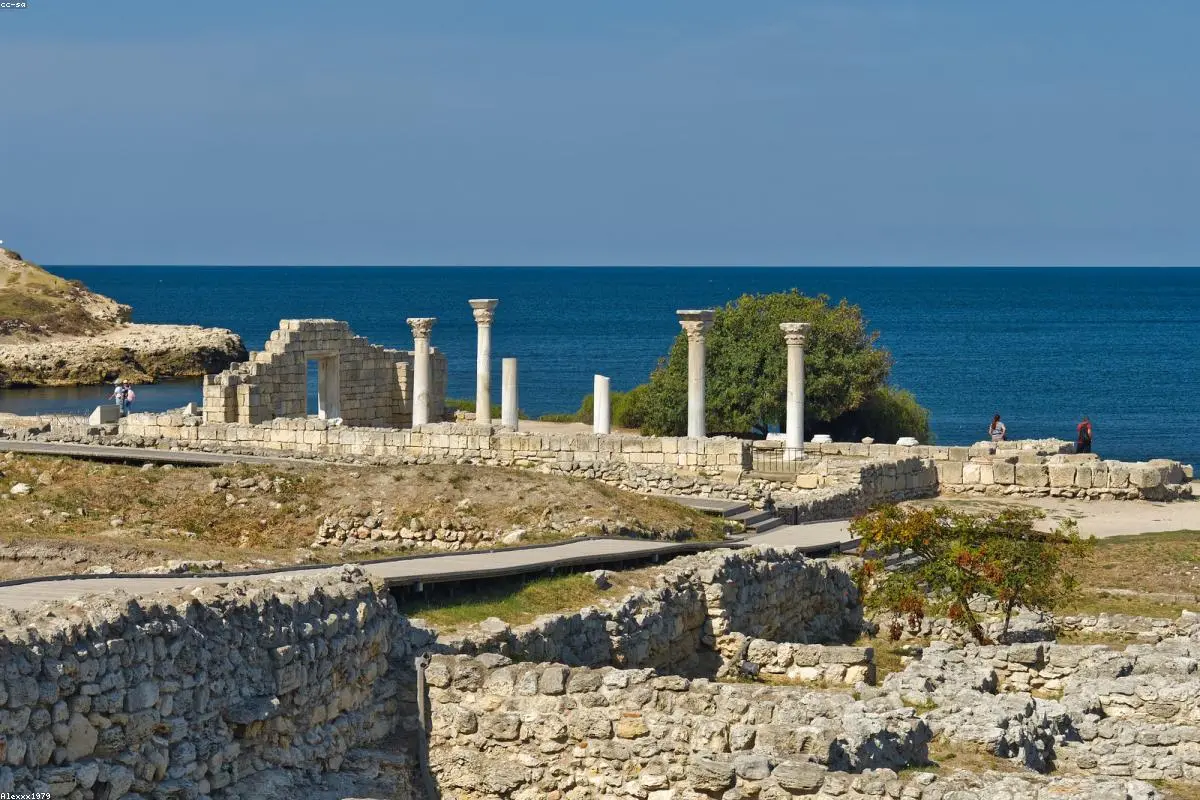
To understand why Sevastopol is such a frequent flashpoint, one must look at the strategic map of the Black Sea. Crimea, annexed by Russia in 2014 in a move widely condemned by the international community, serves as the primary logistical hub for the Russian military’s operations in southern Ukraine. It houses the Black Sea Fleet and numerous airbases that are critical for launching strikes against Ukrainian cities like Odesa.
For Kyiv, Crimea is not merely a military target but a symbol of national sovereignty. Ukrainian officials have consistently maintained that the peninsula is occupied territory and that all military installations within its borders are legitimate targets. While Kyiv has not officially confirmed the specific details of the Sunday strike, their broader strategy has focused on making the peninsula untenable for Russian forces through a series of drone and missile attacks on bridges, fuel depots, and naval assets.
The Human Cost and the Ethics of War
The use of cluster munitions—which Russia alleges were part of the ATACMS payload—adds another layer of complexity to the incident. These weapons are designed to disperse smaller submunitions over a wide area to maximize damage against military formations. However, when deployed near civilian centers, the risk of collateral damage is exceptionally high. Both sides in the conflict have been accused of using such weaponry, leading to ongoing criticism from human rights organizations globally.
Regardless of the strategic justifications, the loss of life in Sevastopol underscores the mounting human cost of a war that shows no signs of cooling. When children are caught in the crossfire of geopolitical maneuvers, the narrative moves beyond territorial gains and losses into the realm of human tragedy. The international community now watches closely to see if this incident will trigger a significant Russian retaliation or further shift the rules of engagement for Western-supplied arms.
What Happens Next?
As the dust settles on the beaches of Sevastopol, the geopolitical stakes have rarely been higher. Moscow has already summoned the US ambassador to deliver a formal protest, signaling that they view this not as an isolated Ukrainian operation, but as a coordinated Western provocation. This pressure is intended to make Western capitals reconsider the scope of their military aid.
Conversely, Ukraine remains under immense pressure to disrupt Russian supply lines as the summer fighting season intensifies. The challenge for Kyiv remains a delicate balancing act: maintaining the momentum of their counter-operations while managing the international perception of strikes that result in civilian casualties. In this high-stakes game of attrition, the tragedy in Crimea is a sobering chapter that reinforces the urgent need for a diplomatic path forward, even as the drums of war beat louder than ever.