A Somber Morning in the Heart of Lombardy
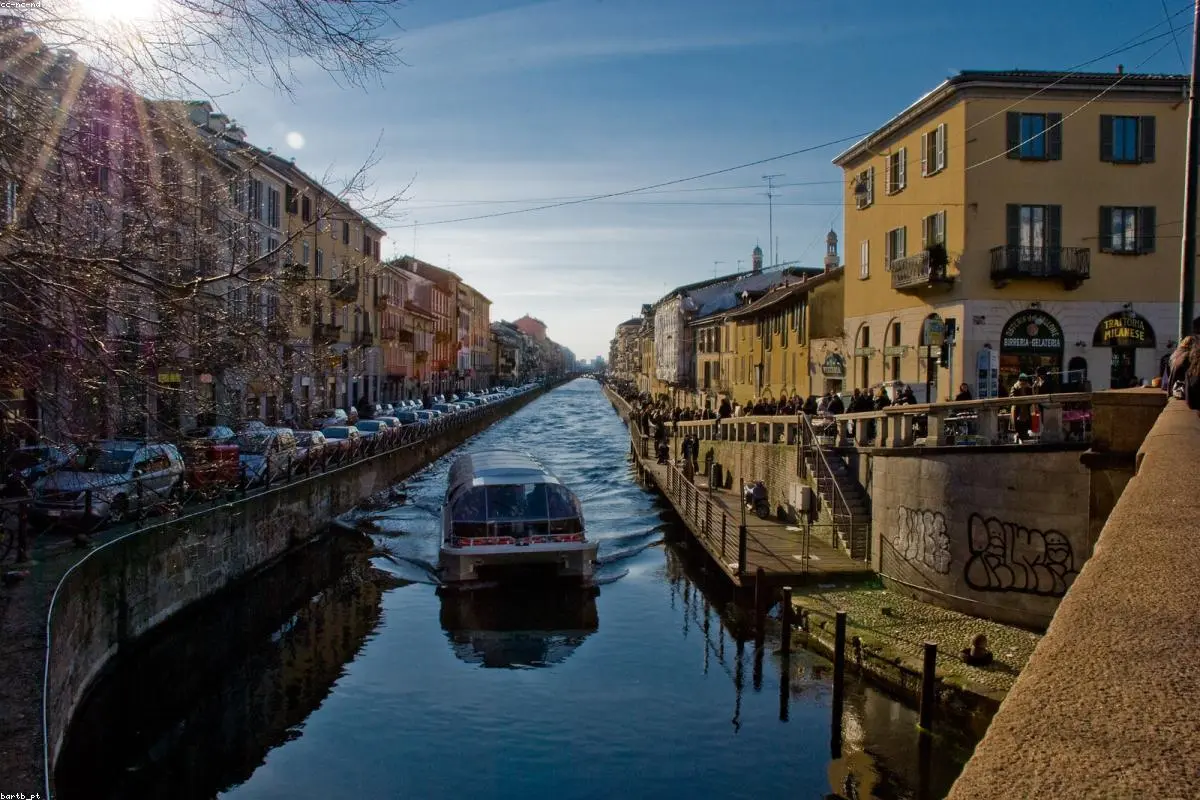
Milan is a city defined by its rhythm. From the hurried footsteps of fashion executives to the steady hum of its iconic yellow trams, the city usually moves with a practiced, mechanical grace. However, that rhythm was violently disrupted on Tuesday morning when a tram car careened off its tracks, turning a routine commute into a scene of chaos and heartbreak. Local authorities have confirmed that the incident has left one person dead and dozens more injured, some seriously.
The derailment occurred during the peak of the morning rush hour, a time when the city’s transit network is at its most strained. Witnesses described a sudden, deafening screech of metal against metal, followed by the sight of the heavy vehicle jumping its rails and sliding toward a nearby pedestrian area. The impact was enough to shatter windows and send debris flying, leaving bystanders scrambling for safety as the dust settled over one of Milan’s busy intersections.
Rapid Response Amidst the Chaos
Emergency services were on the scene within minutes. Firefighters worked tirelessly to extricate passengers trapped within the twisted metal of the carriage, while paramedics established a triage center on the sidewalk. The injured—numbering over thirty at the last count—were rushed to various hospitals across the city. According to a report by the BBC, the scale of the response involved dozens of ambulances and specialized heavy-lifting equipment to stabilize the wreckage.
While the physical injuries are being treated, the psychological toll on the survivors is immense. Many passengers were in a state of shock, wandering the streets in the immediate aftermath, their clothes dusted with glass and debris. "It happened so fast," one witness told local reporters. "One minute we were moving toward the office, and the next, the world was upside down. You don't expect the tram—the most reliable thing in this city—to fail like that."
The Investigation: Searching for Answers
The question on everyone's mind is simple: how did this happen? Milan’s tram system, operated by ATM (Azienda Trasporti Milanesi), is generally regarded as one of the most efficient and well-maintained in Europe. The network features a mix of historic 1920s-era carriages and ultra-modern low-floor models. This particular incident involved one of the newer models, which are equipped with advanced safety features and telemetry systems.
Investigators are currently looking into several possibilities, including mechanical failure, track obstructions, or human error. The black box from the tram has been recovered, and officials hope its data will provide a clear timeline of the seconds leading up to the derailment. In the broader international context, such accidents are rare but serve as a stark reminder of the complexities involved in maintaining aging urban infrastructure alongside modern high-speed requirements.
A City in Mourning
The Mayor of Milan expressed his deepest condolences to the family of the deceased, emphasizing that the city will provide full support to those affected. This tragedy has prompted a wider discussion about the safety of public transport in Italy’s largest metropolitan areas. While the Italian government has invested heavily in rail upgrades over the last decade, critics argue that the sheer density of cities like Milan requires even more rigorous maintenance schedules.
Public transport is the lifeblood of Milan. For a city that prides itself on sustainability and reducing car traffic, a failure of this magnitude hits close to home. It challenges the public’s trust in the systems they rely on every single day. Safety protocols are now being reviewed across the entire network to ensure that no other carriage is at risk of a similar malfunction.
Looking Toward Recovery
As the wreckage is cleared and the tracks are repaired, the city remains in a state of reflection. The section of the city where the accident occurred remains cordoned off, as forensic teams continue to document every inch of the site. For the people of Milan, the familiar clang of the tram bell will likely sound a little different in the coming days—a reminder of the fragility of the systems we often take for granted.
Beyond the local grief, this incident has resonated across the European transit community. Engineers from across the continent are watching the investigation closely, looking for lessons that can be applied to other historic tram networks in cities like Lisbon, Prague, and Vienna. The goal now is not just to fix the tracks in Milan, but to ensure that the global standards for urban rail safety continue to evolve in the face of increasing urban density.
While the investigation may take months to reach a definitive conclusion, the immediate priority remains the recovery of the injured and the support of the victim's family. Milan is a resilient city, but today, it stops to remember those whose lives were forever changed on a Tuesday morning commute.