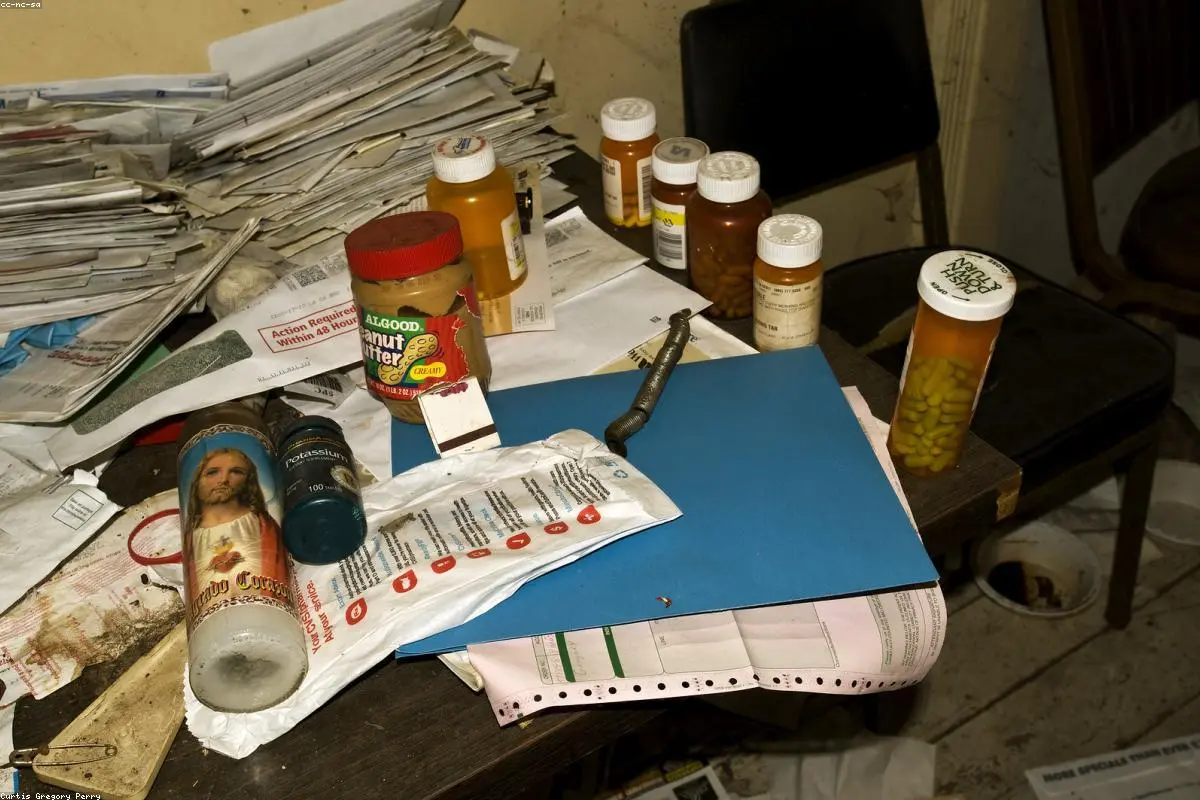
It is a quiet crisis playing out in living rooms across the country. The stack of unopened mail on the kitchen counter, the persistent dread of checking the smart meter, and the mental gymnastics of deciding which bill to pay first. Household debt is climbing to historic levels, yet a startling number of people remain completely unaware that financial lifelines are readily available to help them navigate the storm.
The Rising Tide of Household Debt
Recent data highlights a worrying trend: despite inflation easing slightly from its peak, the cumulative impact of consecutive price hikes has left household budgets deeply scarred. According to a detailed report by the BBC, energy and water debt has reached unprecedented levels. The sheer volume of unpaid bills is not just a personal crisis for families; it is also creating a massive headache for utility providers and the wider economy.
For many, the struggle is no longer about cutting back on luxury items. It is about meeting the baseline costs of survival. Yet, consumer advocacy groups point out a frustrating paradox: millions of pounds allocated for customer support schemes, social tariffs, and hardship grants go unclaimed every single year. The help is there, but the message is not getting through.
Why is Crucial Support Being Missed?
The gap between the availability of help and those who actually receive it boils down to a mix of administrative hurdles, lack of awareness, and social stigma. Many consumers assume that support schemes are reserved only for those on the absolute lowest incomes or state benefits. In reality, many working households who do not qualify for government benefits are still eligible for localized utility discounts and company-specific hardship funds.
Furthermore, the process of applying for these schemes can be notoriously complex. Navigating automated phone systems, decoding jargon-heavy websites, and gathering extensive financial documentation can feel overwhelming, especially for individuals already dealing with the mental toll of debt. This administrative friction acts as a barrier, turning away the very people who need support the most.
The Business Impact of Unpaid Bills
This crisis does not exist in a vacuum. For corporate entities and utility providers, mounting customer debt poses a serious operational risk. Rising bad debt write-offs force companies to adjust their financial forecasts and, in some cases, raise prices for paying customers to offset the losses. This cycle highlights how deeply interconnected consumer welfare is with corporate stability. To explore how these macroeconomic trends are reshaping modern corporate strategies, you can read more in our dedicated business news section.
Forward-thinking businesses are beginning to realize that proactive debt prevention is far more cost-effective than aggressive debt collection. By investing in clearer communication and partnering with local charities, companies can help customers manage their balances before they spiral out of control. This shift from punitive measures to supportive intervention is slowly becoming the standard for responsible corporate governance.
Unlocking the Support: What is Available?
If you or someone you know is struggling to keep up with monthly bills, it is essential to know that you do not have to face it alone. There are several structured avenues designed to provide relief:
- Social Tariffs: Many broadband, water, and energy providers offer discounted tariffs for low-income households. These are not always heavily advertised, so you often have to ask for them specifically.
- Energy Trust Grants: Some major energy companies run independent charitable trusts that offer grants to clear energy debt, and in many cases, you do not even need to be a customer of that specific company to apply.
- Breathing Space Schemes: These are government-backed initiatives that give eligible individuals temporary relief from creditor action and interest charges while they seek professional debt advice.
- Charitable Debt Advice: Organizations like Citizens Advice and StepChange offer free, confidential guidance to help structure manageable repayment plans.
A Call for Clearer Communication
Tackling this crisis requires a coordinated effort from both regulatory bodies and private enterprises. Governments must push for standardized eligibility criteria, making it easier for consumers to access social tariffs across different services without having to submit multiple, redundant applications.
Equally, utility companies need to step up their communication strategies. Clear, empathetic outreach can break down the stigma surrounding debt and encourage customers to seek help early. Ultimately, closing the awareness gap is not just about helping families keep the lights on; it is about building a more resilient, compassionate economic ecosystem for everyone.