The Unseen Influence Beneath the Surface
We like to believe that our thoughts, moods, and behaviors are the products of our own independent will. However, a growing body of scientific inquiry suggests that the human experience may be a collaborative effort between our neurons and a host of uninvited guests. While the concept of a parasite controlling its host sounds like the premise of a low-budget sci-fi flick, the reality in the animal kingdom is well-documented. Now, researchers are asking a more unsettling question: to what extent are these biological hitchhikers influencing human behavior?
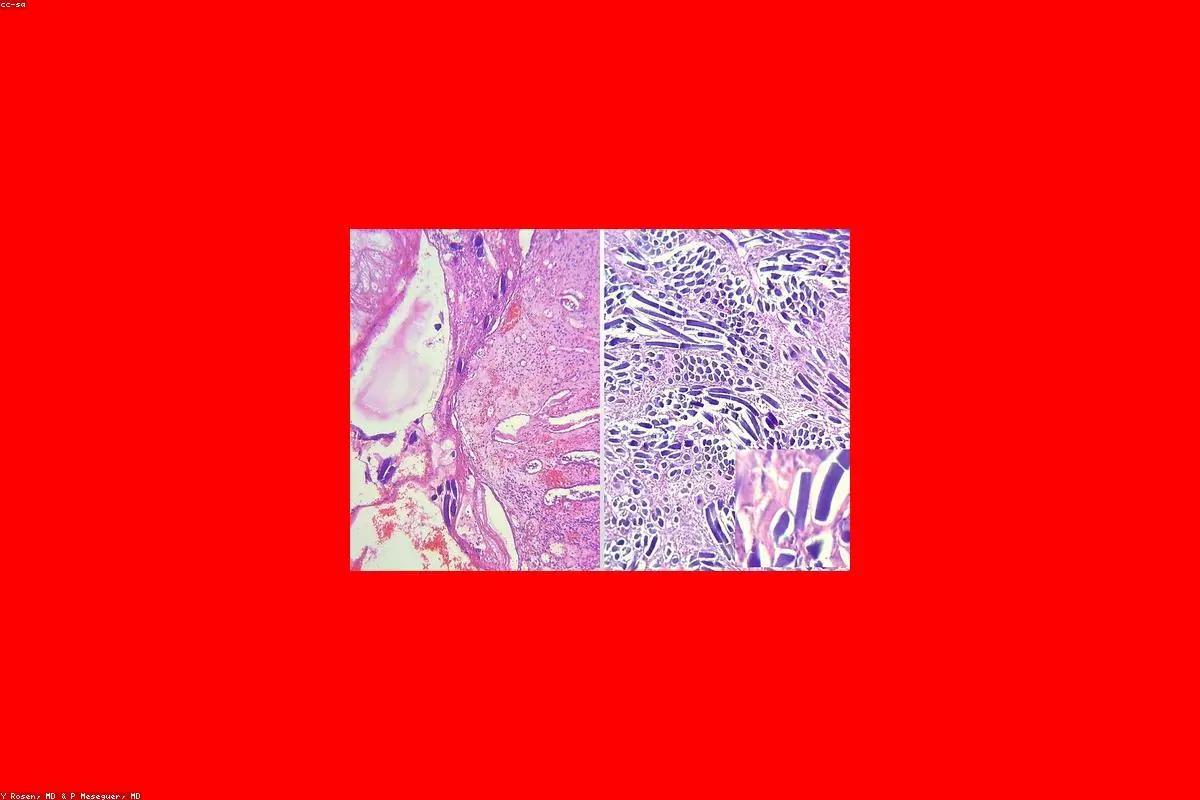
The gut-brain axis—a bidirectional communication network between the gastrointestinal tract and the central nervous system—has become a focal point of modern health research. While much of this focus remains on 'good' bacteria, the role of parasites is increasingly coming under the microscope. These organisms aren't just passive residents stealing nutrients; they are active participants in our internal chemistry, capable of sending signals that reach far beyond the intestinal walls.
The Most Famous Puppeteer: Toxoplasma Gondii
When discussing behavioral modification, the conversation almost always turns to Toxoplasma gondii. This microscopic protozoan is famous for its ability to strip away a rat's innate fear of cats, essentially driving the rodent into the jaws of a predator so the parasite can complete its life cycle in a feline gut. But what happens when this parasite enters a human host? Estimates suggest that up to one-third of the global population may be carrying T. gondii.
Studies have observed fascinating, albeit controversial, correlations between T. gondii infection and human personality shifts. Some data suggest that infected individuals may exhibit higher levels of risk-taking, slower reaction times, and even subtle changes in extroversion. While we aren't leaping into the paths of predators, the biochemical nudges provided by the parasite may manifest in more modern ways, such as driving habits or entrepreneurial inclinations. This phenomenon highlights a startling possibility: that our 'personality' might actually be a byproduct of a biological negotiation.
Breaking the Blood-Brain Barrier
Recent investigations, including insights shared by the BBC, have shed light on the sophisticated ways these organisms interact with our neurochemistry. Parasites often achieve influence by manipulating neurotransmitters like dopamine and serotonin. By altering the levels of these chemicals, a parasite can potentially dampen anxiety or increase impulsivity to suit its evolutionary needs.
It is a mistake to think of these interactions as a total hijacking of the mind. Instead, think of it as a subtle tilt of the playing field. If a parasite can make a host slightly more social or less risk-averse, it increases the likelihood of the host interacting with others—thereby increasing the parasite's chances of spreading to a new home. This evolutionary arms race has been happening for millennia, and we are only now beginning to decode the biological signals being sent from our gut to our gray matter.
Beyond the 'Gross' Factor: Mental Health Implications
Shifting the perspective from 'creepy-crawlies' to clinical health, the implications for mental health are significant. Chronic inflammation caused by gut parasites can trigger systemic immune responses that affect brain function. Long-term inflammation is a known risk factor for depression and anxiety, suggesting that treating a parasitic infection might do more than just solve digestive issues—it could potentially clear a mental fog that a patient has lived with for years.
Furthermore, the variety of parasites we encounter matters. From common pinworms to more complex helminths, each organism interacts with the host's microbiome differently. A disrupted microbiome, often referred to as dysbiosis, can lead to 'leaky gut' syndrome, allowing metabolites that should stay in the digestive tract to enter the bloodstream and influence cognitive function. This highlights why maintaining a robust and diverse internal ecosystem is vital for both physical and mental clarity.
Reframing Our Biological Identity
As we uncover more about these hidden influencers, the definition of 'self' becomes increasingly blurred. If our cravings, our temperaments, and even our reaction to stress can be modulated by organisms living inside us, where do we end and they begin? This isn't meant to cause alarm, but rather to encourage a more holistic view of human health. We are not isolated units; we are complex ecosystems.
Future medical treatments may one day involve screening for parasitic 'signatures' as part of a standard psychological evaluation. Until then, the best defense is awareness and proactive gut health management. By understanding that our behavior might have more than one author, we can take better steps toward nurturing an internal environment that supports our true intentions, rather than the hidden agendas of our microscopic passengers.