The Rising Price of the Matchday Experience
For the average football fan, the ritual of heading to the stadium is about more than just ninety minutes of play; it’s a generational tradition, a community tie, and a weekend escape. However, according to recent financial data, that escape is becoming an increasingly luxury commodity. Supporters of the Premier League’s most successful clubs are now paying an average of £74 per match, as the division’s financial giants report record-breaking matchday revenues.
This surge in income isn't merely a byproduct of higher attendance. Instead, it reflects a fundamental shift in how the Sports industry views the live spectator. While television rights have long been the primary driver of wealth in the English top flight, clubs are rediscovering the goldmine that is their own backyard. From premium seating to tiered membership schemes, the 'matchday experience' has been meticulously re-engineered to extract maximum value from every seat in the house.
Breaking Down the Numbers
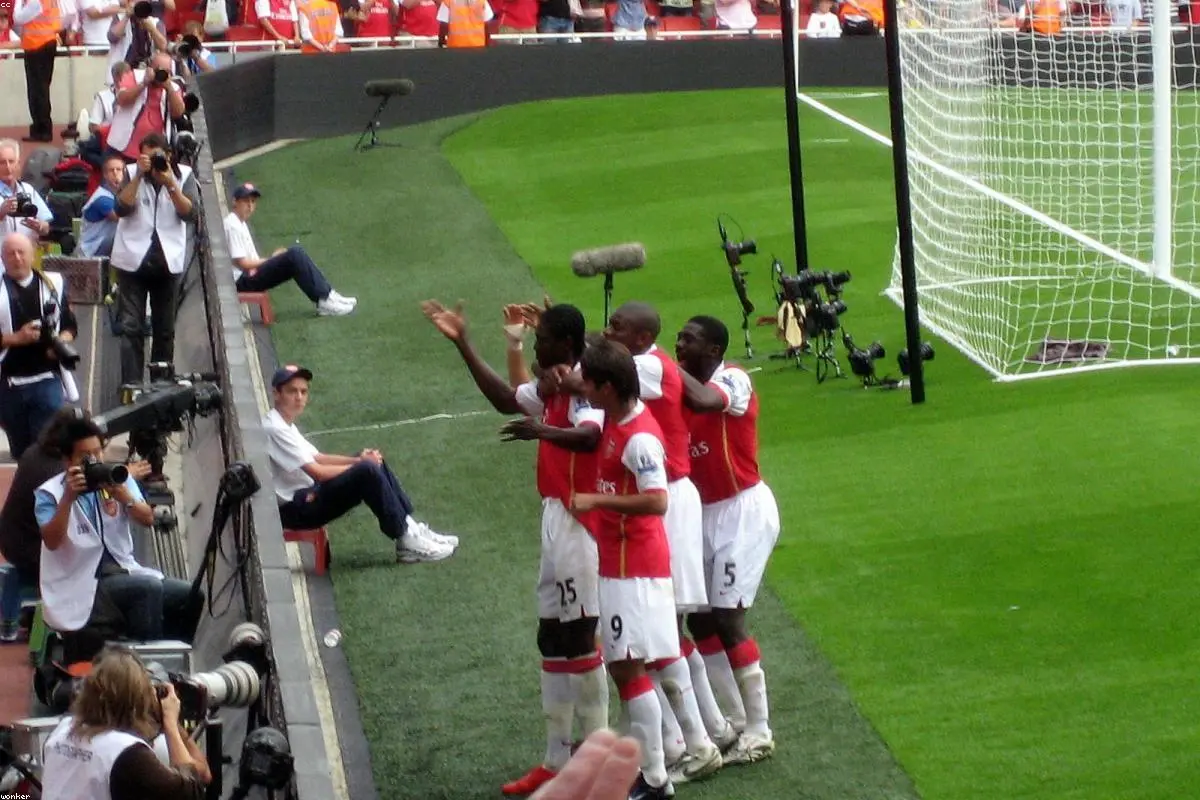
The scale of this revenue growth is laid bare in the latest financial reports. As highlighted by BBC Sport, the wealthiest clubs in the country are seeing their coffers swell, with matchday income serving as a vital pillar of their business models. For clubs like Arsenal, Tottenham Hotspur, and Manchester City, the ability to generate over £100 million a year from stadium operations alone is no longer a dream—it’s the new baseline.
While a £74 average might seem steep, it’s important to understand the variables. This figure is an aggregate, blending the cost of season tickets, high-end hospitality packages, and standard individual match tickets. However, for the younger generation of fans or those without the security of a season pass, finding a seat for under £50 at a 'Big Six' ground has become a Herculean task. The commercialization of the terrace has effectively turned the stadium into a high-yield asset.
The Infrastructure Investment Trap
Clubs often defend these price hikes by pointing toward the astronomical costs of staying competitive. To compete in the Champions League and adhere to Profit and Sustainability Rules (PSR), every penny counts. Modern stadiums, like the multi-billion pound Tottenham Hotspur Stadium, are designed to be 365-day-a-year revenue engines. They aren't just football pitches; they are concert venues, NFL hubs, and high-end dining destinations.
Key factors driving the revenue surge include:
- Dynamic Pricing: Some clubs have moved toward models where ticket prices fluctuate based on the opponent and demand.
- Hospitality Expansion: Converting traditional seating areas into 'corporate light' zones that offer food and lounge access at a premium.
- Membership Barriers: Forcing fans to pay an annual fee just for the *right* to buy a ticket.
- Ancillary Spending: Increased prices for stadium food, beverages, and merchandise on match days.
While these investments provide world-class facilities, they create a widening gulf between the club's local heritage and its global commercial ambitions. The fear among fan groups is that the 'legacy fan'—the person who has attended for decades—is being priced out in favor of the 'football tourist' who has a higher disposable income for a one-off visit.
The Human Cost of Commercial Success
The pushback from supporters has been vocal and organized. Throughout the last season, we saw a rise in 'Stop the Exploitation' banners and organized protests across various grounds. Fans argue that while broadcast revenue is measured in the billions, squeezing the match-going supporter for an extra few million is a choice, not a necessity. They contend that the atmosphere, which the Premier League sells to global broadcasters as its unique selling point, is created by the very people who are being priced out.
There is a delicate balance at play. If a stadium becomes filled exclusively with corporate guests and tourists, the raucous, intimidating atmosphere that makes the Premier League so attractive to viewers in New York or Beijing may begin to fade. Without the noise, the 'product' loses its shine. It is a paradox the league's owners have yet to fully address.
A Global Perspective
Comparing the English experience to the German Bundesliga reveals a stark contrast. In Germany, the '50+1' rule ensures fans retain a majority of voting rights, which has kept ticket prices remarkably low. A fan can often watch a top-tier German match for less than €20, including travel. This philosophy prioritizes the stadium as a social utility rather than just a profit center.
In England, however, the trajectory seems fixed. With the new Champions League format increasing the number of games and clubs constantly seeking ways to bypass financial restrictions, the pressure on ticket prices is unlikely to ease. The question remains: at what point does the cost of loyalty become too high? For many, £74 is already past the breaking point, turning the beautiful game into a playground for the elite.
As we look toward the next round of television deals and stadium expansions, the relationship between a club and its supporters will be tested like never before. The revenue might be soaring, but the soul of the sport depends on ensuring that the fans—the real heartbeat of the game—aren't left standing outside the gates.