A Community Breathes Again
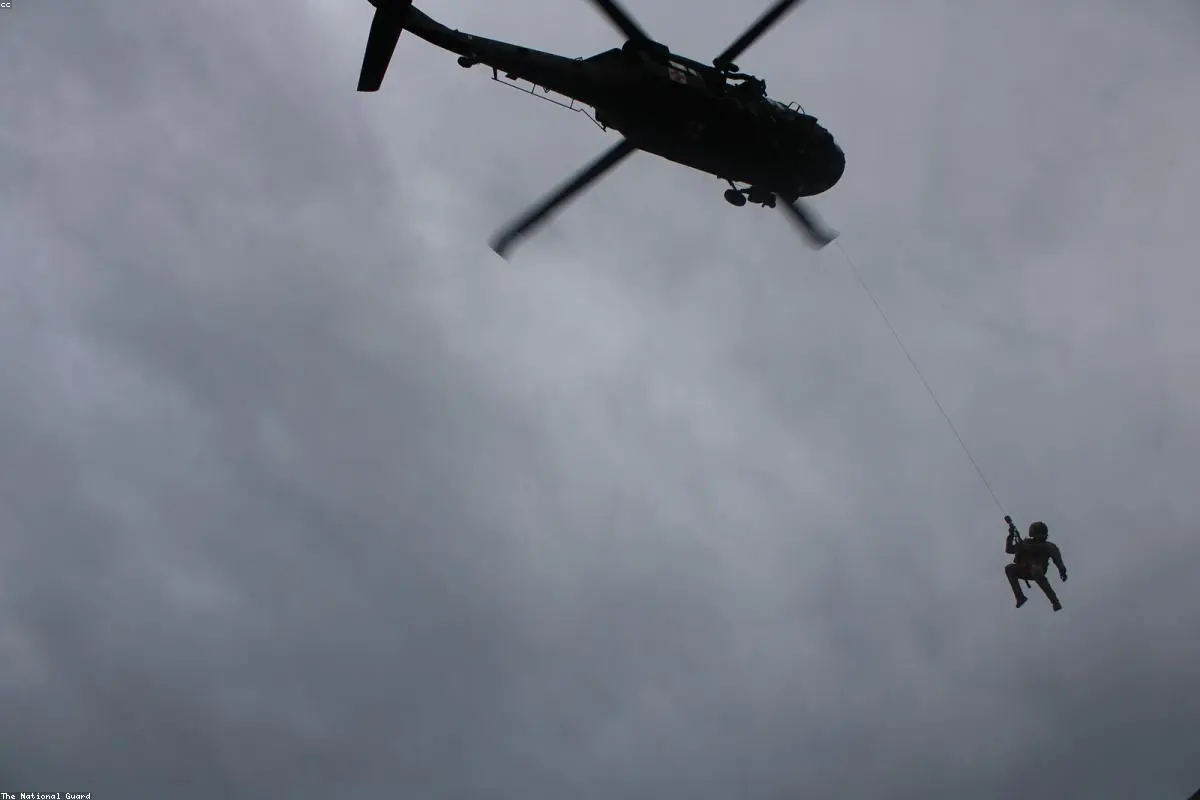
For seven long months, the residents of a quiet corner of New South Wales lived with a low-frequency hum of anxiety. It was the sound of police helicopters, the sight of tactical units in the scrub, and the knowledge that one of the country’s most wanted men was potentially hiding in their backyard. This week, that hum finally fell silent. The capture of Dezi Freeman, following a massive and protracted manhunt, has left the town at the centre of the search grappling with a complex cocktail of shock, sadness, and profound relief.
The saga, which began late last year, saw law enforcement agencies pour resources into the rugged terrain surrounding the Northern Rivers region. Freeman, who had been eluding authorities since a series of incidents sparked a high-level pursuit, managed to vanish into the dense Australian bush—a landscape that is as beautiful as it is unforgiving. For the locals, the end of the chase isn't just a news headline; it is the closing of a tense chapter that redefined their sense of safety.
The resolution of this case has drawn significant attention from international observers, as reported by BBC News. The sheer duration of the evasion and the scale of the police operation highlighted the difficulties of modern policing in vast, untamed geographical areas.
The Difficulty of the Terrain
To understand how a single individual could evade a modern police force for over half a year, one must understand the geography of the area. The region is characterized by thick rainforest, deep gullies, and a community that values its privacy. While the police utilized thermal imaging, drones, and canine units, Freeman appeared to possess an intimate knowledge of the land that allowed him to stay one step ahead.
This “cat and mouse” game created a strange atmosphere in the nearby towns. Conversations at the local general store were dominated by the latest sightings or the latest police roadblocks. While some viewed the fugitive with a misplaced sense of folkloric intrigue, the reality for those living on isolated properties was far grimmer. Many spent months locking doors that had remained open for decades, peering into the shadows of their verandas every time a floorboard creaked.
Shock and the Human Cost
When the news broke that Freeman had finally been apprehended in a tactical operation, the initial reaction was a collective gasp. Despite the inevitability of his eventual capture, the suddenness of the event was jarring. However, as the dust settled, the shock was quickly accompanied by a surprising wave of sadness. This sentiment doesn't necessarily stem from sympathy for Freeman’s alleged actions, but rather from a mourning of the circumstances that lead to such a breakdown in the social fabric.
In small, tight-knit communities, people often know the families involved. There is a sense of tragedy in seeing a life derailed to such an extent that it necessitates a paramilitary-style response. Community leaders have noted that the situation has highlighted broader issues, including:
- The challenges of mental health support in rural and remote regions.
- The strain on local resources when national-scale police operations move in.
- The lasting psychological impact of living in a state of constant surveillance.
The Path to Recovery
While the legal process will now take over, the town itself has a different kind of work to do. The removal of the immediate threat allows for a return to normalcy, but that normalcy will look different than it did seven months ago. There is a renewed sense of vigilance, but also a renewed appreciation for the community’s resilience. The relief is palpable—a weight lifted from the shoulders of parents walking their children to the bus stop and farmers checking their fences at dusk.
The logistics of the capture itself were a testament to the persistence of the New South Wales Police Force. It was a methodical process that required patience, intelligence gathering, and a delicate touch to ensure no further harm came to the public or the officers involved. As the legal proceedings commence, the evidence gathered during these seven months will likely provide a clearer picture of how Freeman survived and what his ultimate intentions were.
Looking at the broader picture, this incident serves as a reminder of how quickly the tranquility of rural life can be disrupted. It also showcases the dedication of law enforcement personnel who often work in grueling conditions away from the public eye. For now, the people of the Northern Rivers are content to let the helicopters stay on the ground and the sirens remain silent, as they trade stories of the long manhunt over fences that no longer feel quite so vulnerable.