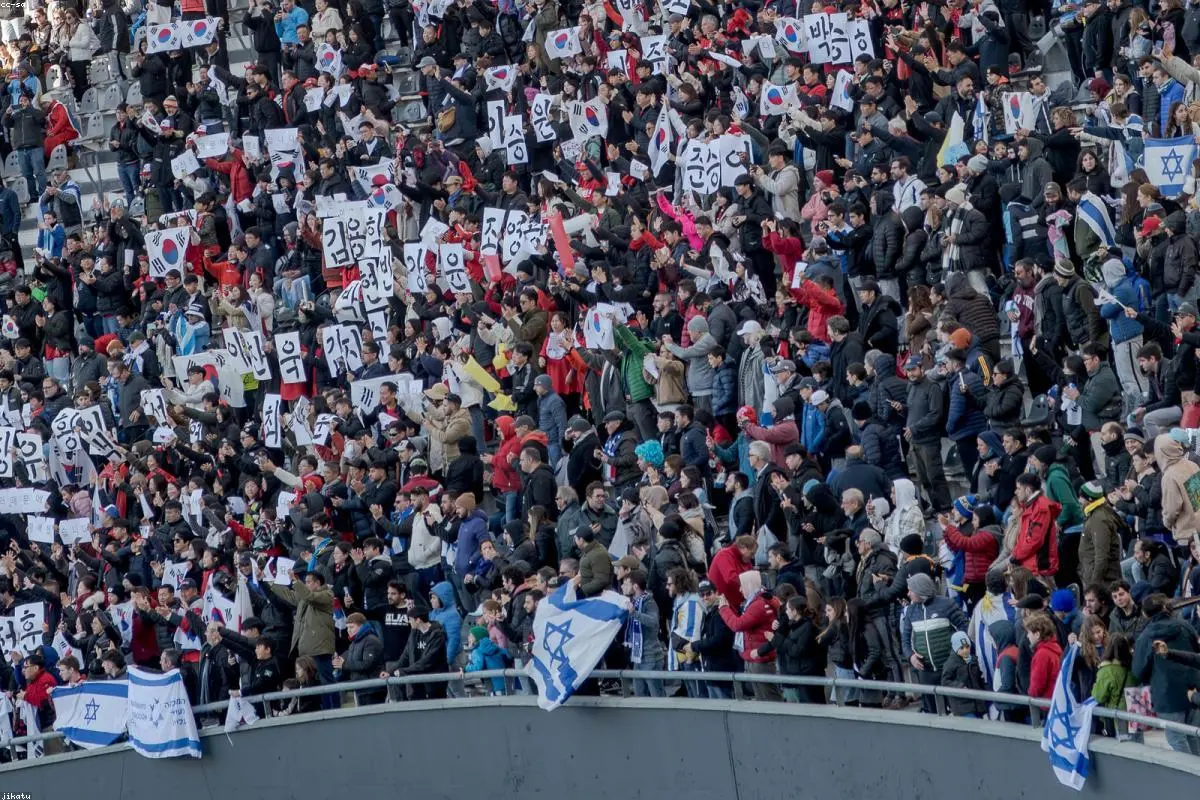
A Growing Conflict in the Grandstand
For decades, the FIFA World Cup has been celebrated as the ultimate meritocracy—a stage where the world’s best athletes compete for glory. However, behind the scenes, a different kind of competition is brewing, and it has nothing to do with what happens on the pitch. Regulators and consumer advocacy groups are increasingly turning their attention toward the commercial machinery of football's governing body, specifically questioning whether the cost of entry has become prohibitively high for the very people who sustain the sport: the fans.
The investigation into FIFA's ticket pricing isn't just about a few extra dollars on a seat; it’s a deep dive into the ethics of market dominance. As the 2026 World Cup in North America approaches, the fear is that the "beautiful game" is being priced as a luxury product, accessible only to the corporate elite and the ultra-wealthy. This shift has prompted a closer look at how FIFA manages its revenue streams and whether its status as a non-profit association aligns with its aggressive commercial tactics.
While the atmosphere in the stadiums remains electric, the mood in regulatory offices is decidedly colder. Officials are examining if FIFA is leveraging its monopoly power to bypass standard consumer protection laws that apply to other international Business sectors.
The Business of Exclusivity
To understand the current investigation, one must first look at the sheer scale of FIFA’s financial operations. FIFA isn't just a sports organizer; it is a global conglomerate that controls one of the most valuable intellectual properties in history. During the Qatar 2022 cycle, the organization reported record revenues of $7.5 billion. A significant portion of this comes from broadcasting rights, but ticket sales and hospitality packages represent a vital—and increasingly controversial—segment of the pie.
The core of the investigation lies in the lack of transparency surrounding the ticket allocation process. Critics argue that the "lottery" system, combined with tiered pricing that fluctuates wildly between categories, creates an environment where price gouging can occur without oversight. Furthermore, the push toward digital-only ticketing has raised concerns about secondary market control and the exclusion of fans from developing nations who may lack the necessary technological infrastructure.
Key areas currently under the microscope include:
- Dynamic Pricing Models: Whether FIFA plans to implement surge pricing similar to major concert tours.
- Hospitality Bundling: The practice of forcing fans to buy expensive "experience packages" to secure a seat at high-demand matches.
- Market Access: The percentage of tickets actually made available to the general public versus corporate sponsors and partners.
A Transatlantic Shift in Strategy
The upcoming 2026 tournament, hosted by the United States, Canada, and Mexico, serves as a catalyst for this investigation. In the US, the sports market is accustomed to high ticket prices and the concept of "premiumization." However, European and South American regulators are wary that this Americanized business model will become the global standard, effectively alienating the traditional working-class fanbase of football.
Transitioning from a traditional ticket model to a high-yield commercial strategy has historically been met with resistance in the football world. We saw this with the failed European Super League, where fan backlash centered on the idea that the sport was being stolen by billionaires. Now, FIFA finds itself in the crosshairs for similar reasons. According to a recent report by the BBC, the investigation is gaining momentum as more stakeholders demand a fairer distribution of costs.
The Legal Hurdles Ahead
From a legal standpoint, the investigation faces several hurdles. FIFA is headquartered in Switzerland, a country known for its unique regulatory environment regarding international sports bodies. However, because the World Cup is a global event, it must comply with the consumer laws of host nations. This creates a complex jurisdictional puzzle.
If regulators find that FIFA has engaged in anti-competitive behavior or unfair pricing practices, the penalties could be more than just financial. It could force a complete overhaul of how tickets are distributed for future tournaments, including the 2030 and 2034 editions. This would represent a massive win for fan unions who have long campaigned for "cap the price" initiatives at the international level.
Conclusion: Protecting the Heart of the Sport
At its heart, this investigation is a battle for the soul of football. Is the World Cup a global heritage event that belongs to everyone, or is it a commercial product to be sold to the highest bidder? As the probe continues, the results will likely set a precedent for all major sporting events, from the Olympics to the Super Bowl.
For FIFA, the challenge will be balancing its insatiable need for growth with the necessity of keeping the game accessible. If they fail to address these pricing concerns, they risk more than just legal sanctions—they risk losing the goodwill of the billions of fans who make the World Cup the spectacle that it is today. For now, the world waits to see if the regulators will show FIFA a yellow card, or if the organization will be forced to change its playstyle entirely.