The Price of a Parting Hug
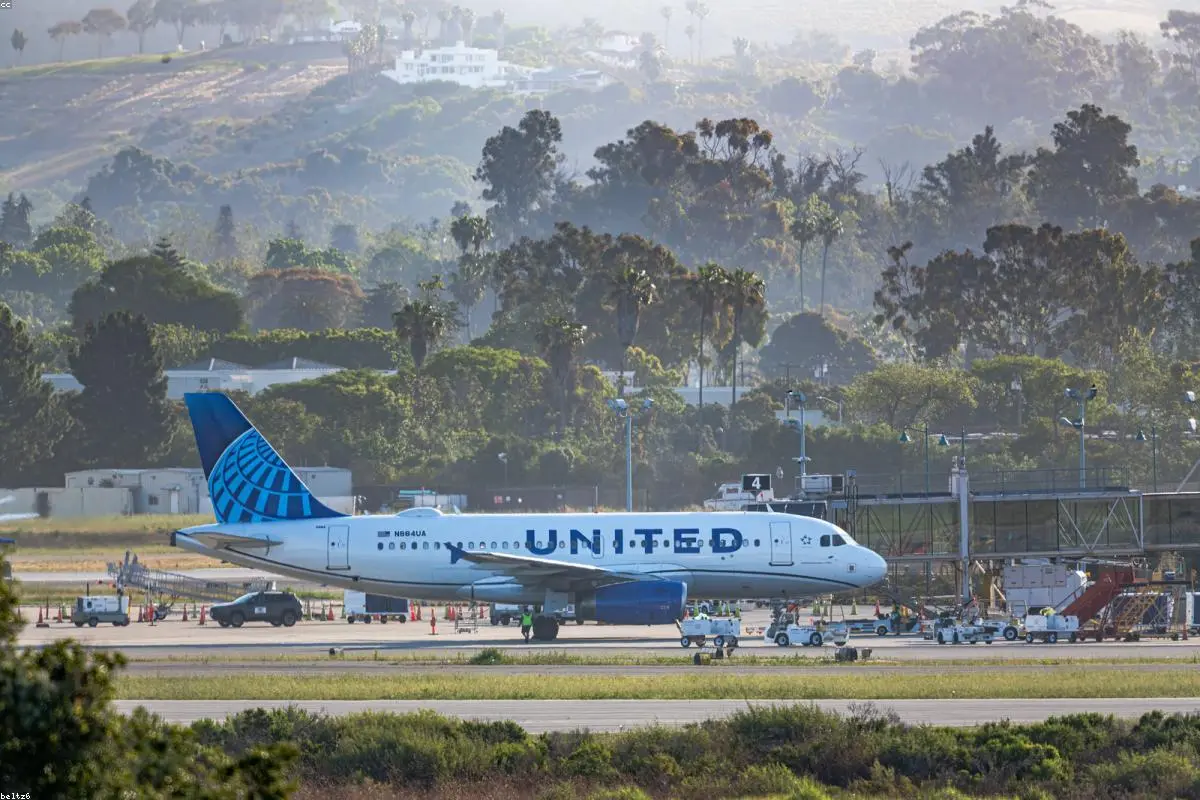
For many, the 'airport run' is a familiar ritual—a favor done for a friend or a final family moment before a long-awaited holiday. However, that quick stop at the terminal curb is increasingly becoming one of the most expensive minutes of a driver's journey. Recent data reveals that airport drop-off fees have surged significantly, with some locations hiking prices by more than a third over the past year. What used to be a nominal fee, or even a free service, has evolved into a substantial revenue stream for major travel hubs.
It’s not just a matter of a few extra pennies. For travelers and their drivers, these 'kiss and fly' charges are adding a layer of financial friction before the plane even leaves the tarmac. According to research highlighted by the BBC, the cost of dropping off passengers has hit record highs, leaving many to wonder if the convenience of the terminal front door is still worth the price of admission.
The Leaders of the Pack: Britain’s Most Expensive Drop-Offs
If you are heading to London Stansted, you might want to keep your goodbyes brief. The Essex hub currently tops the list of the most expensive places to drop off passengers, charging a staggering £7 for a stay of just 15 minutes. It isn't alone at the top of the leaderboard; London Gatwick and Manchester Airport have also seen notable increases, solidifying their positions as some of the most expensive gateways in the country.
The trend isn't localized to the South East either. Belfast International saw one of the most dramatic percentage hikes, with fees jumping from £3 to £5—a 66% increase that caught many regular commuters off guard. Meanwhile, at Southampton and Glasgow airports, the minimum fee has climbed to £6. These incremental shifts might seem small in isolation, but for frequent flyers or taxi drivers, the cumulative impact is a significant blow to the wallet.
Why the Costs are Taking Flight
To understand why these fees are climbing so aggressively, one has to look at the broader business strategy governing modern airports. In the wake of the pandemic, airports have been forced to diversify their income streams. Landing fees and retail concessions are no longer enough to maintain the complex infrastructure required for millions of passengers. Consequently, 'ancillary revenue'—which includes parking, drop-off fees, and fast-track security—has become a vital lifeline for airport balance sheets.
Beyond the simple need for profit, airport operators often point toward environmental and operational goals. High drop-off fees are frequently framed as a deterrent to discourage private car journeys and promote the use of public transport. By making it more expensive to drive to the terminal, airports claim they are reducing local congestion and lowering carbon emissions. However, critics argue that this logic only holds up if reliable, affordable public transport alternatives are actually available—which isn't always the case for those with early morning flights or heavy luggage.
The Impact on the Travel Industry
The ripple effects of these price hikes extend far beyond the individual holidaymaker. The private hire and taxi industry has been particularly vocal about the strain these fees place on their operations. Most drivers have no choice but to pass these costs directly onto the customer, making the total price of a taxi to the airport feel increasingly exorbitant. This creates a challenging environment for local businesses that rely on airport transfers as their primary source of income.
Furthermore, there is the psychological impact on the traveler. Travel is already fraught with hidden costs, from baggage overage fees to seat selection charges. When the very act of arriving at the airport becomes a financial hurdle, it can sour the experience before it has even begun. As the cost of living remains a primary concern for households, these 'stealth taxes' on travel are being met with growing frustration.
Is There a Way to Avoid the Sting?
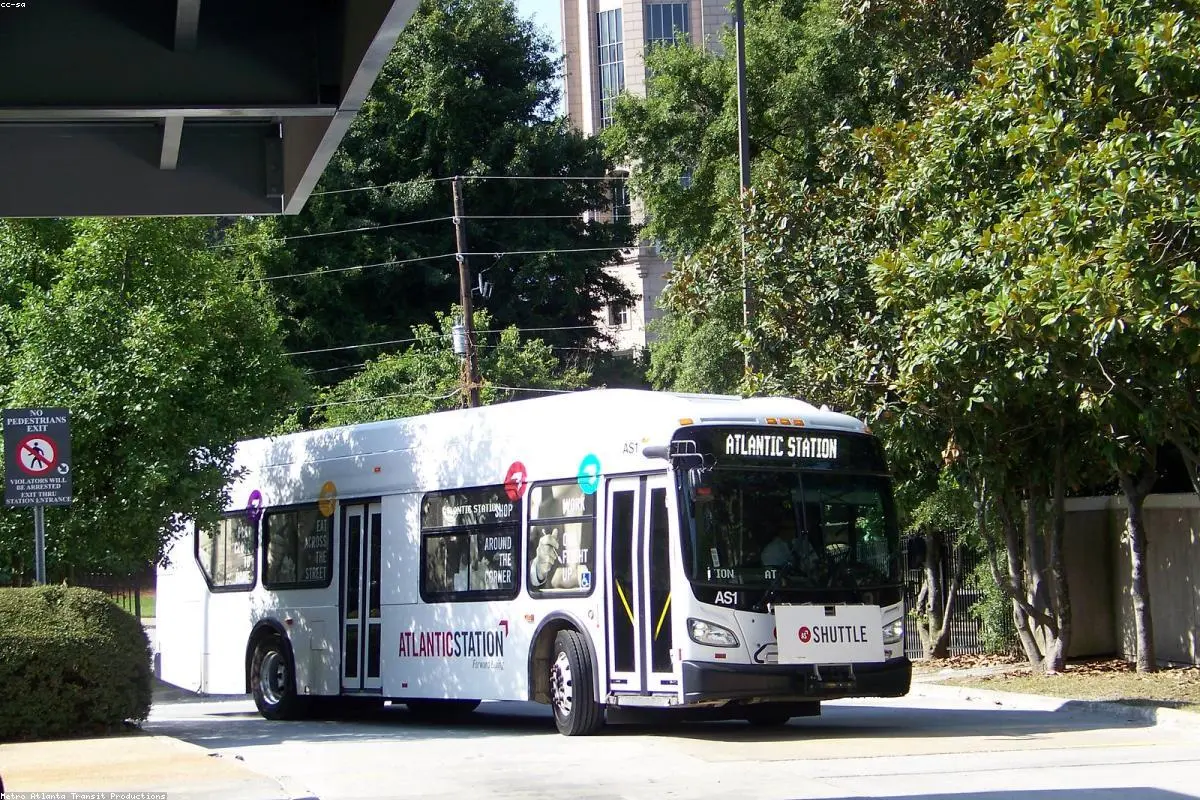
While the convenience of the terminal front door is tempting, there are still ways to navigate the airport run without breaking the bank. Most major airports are required to provide a free drop-off alternative, though these are often located in mid-stay or long-stay car parks. This typically involves a short shuttle bus ride to the terminal, adding about 10 to 15 minutes to the journey. For those who aren't in a rush, it’s a simple way to keep that £7 in their pocket.
Another option is to look for nearby 'off-site' parking or drop-off points that offer shuttle services at a fraction of the cost. Additionally, some airports offer discounts for local residents or electric vehicle users, though these schemes are often poorly advertised and require pre-registration. It pays to do a bit of homework before you set off; five minutes of research on the airport’s official website could save you more than a few pounds.
As we look toward the future of travel, it seems unlikely that these fees will trend downward. As long as airports face pressure to modernize and meet stringent environmental targets, the convenience of the curb will likely remain a premium service. For the savvy traveler, the best approach is to stay informed, plan ahead, and perhaps consider a slightly longer walk to the terminal as a small price to pay for a more affordable trip.