The Seductive Math of School Consolidation
When a school district faces a looming deficit and rows of empty desks, the conversation almost inevitably turns to 'right-sizing.' On the surface, the logic is seductive in its simplicity: if you have three half-empty buildings, why not consolidate them into two full ones? By shuttering a school, a district theoretically slashes its utility bills, cuts down on maintenance, and streamlines administrative staffing. It is the corporate logic of efficiency applied to the public sector.
However, a growing body of research is throwing a cold bucket of water on these financial expectations. According to a revealing report recently discussed by Education Week, the anticipated windfalls from school closures often fail to materialize. In many cases, the process ends up costing more than the status quo, leaving districts with fractured communities and budgets that are just as strained as they were before the first padlock was placed on the gate.
The Invisible Drain: Maintenance and Mothballing
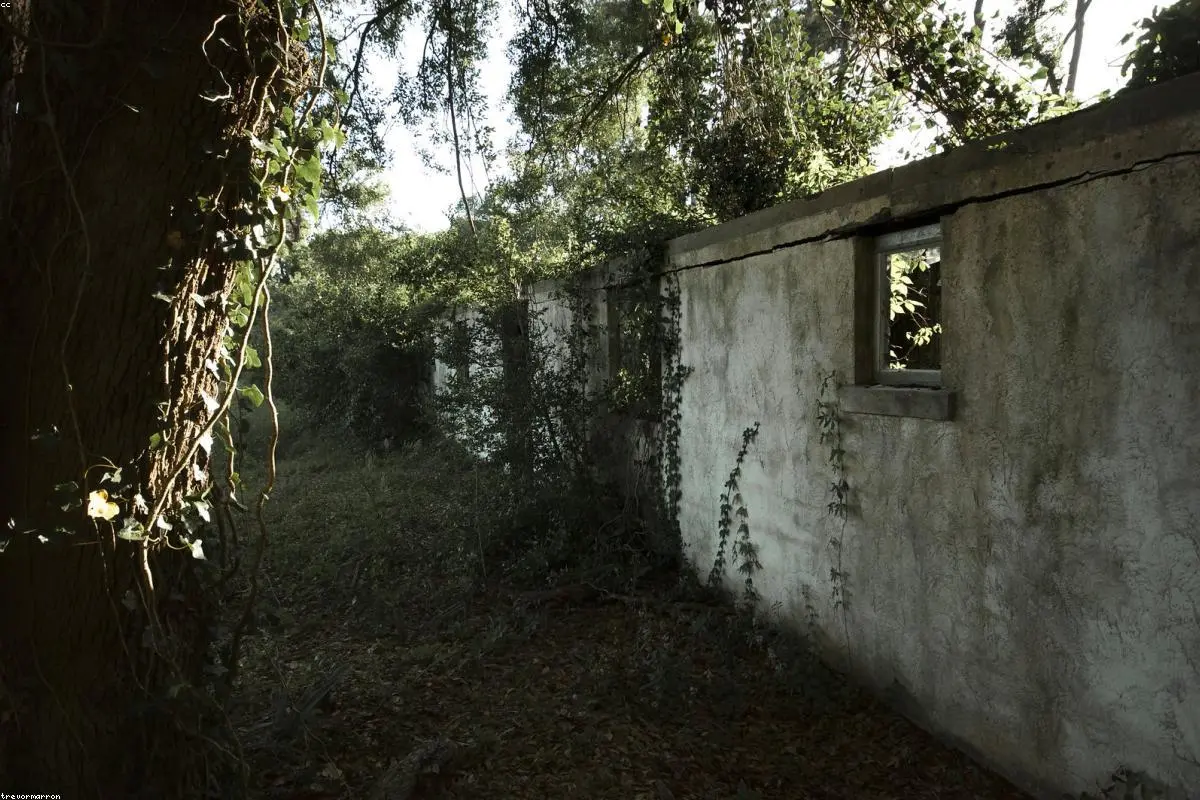
One of the primary reasons the math fails is the misunderstanding of what happens to a building once the students leave. A closed school does not simply vanish from the balance sheet. Instead, it enters a state of 'mothballing' that carries its own hefty price tag. To prevent a vacant property from becoming a neighborhood blight or a liability, districts must continue to pay for basic heating, security, and minimal maintenance.
Abandoned buildings are magnets for vandalism and deterioration. If a district hopes to sell or repurpose the building later, they cannot allow the roof to leak or the pipes to burst. Consequently, the 'savings' on utilities are often swallowed by the costs of security patrols and emergency repairs on a structure that is no longer serving a single child. Furthermore, the specialized nature of school architecture—large gyms, wide hallways, and commercial kitchens—makes these properties notoriously difficult to sell in a traditional real estate market.
The Transportation Trap
Beyond the physical infrastructure, the logistical ripple effects of a closure can be devastating to a budget. When a neighborhood school is closed, the students don't simply walk to the next closest option. Often, they must be bussed across town. In the current education landscape, where fuel costs are volatile and bus driver shortages are a chronic headache, the increase in transportation expenses can quickly outpace any savings gained from laying off a few custodial workers.
Longer bus routes don't just cost money; they cost time. Students who previously walked to school may now face hour-long commutes, which correlates with higher rates of chronic absenteeism. When students miss school, the district often loses out on state funding, which is frequently tied to daily attendance records. It is a vicious cycle where a move intended to save money actually erodes the district's primary source of income.
The Human Capital and Enrollment Loss
Perhaps the most significant financial risk is one that doesn't appear on a standard spreadsheet: student flight. Schools are the anchors of their communities. When a school closes, the bond between the family and the district is often broken. Parents who are forced to find a new school for their children frequently take the opportunity to look outside the traditional public system altogether.
Families may opt for private schools, homeschooling, or local charter schools. Every time a student leaves the district for a charter or private alternative, thousands of dollars in per-pupil funding follow them out the door. The study warns that if even a small percentage of a school's population leaves the district following a closure, the loss of state revenue can be greater than the operational savings of the entire building. For more insights on how these shifts affect local districts, you can explore our latest updates in the Education section.
Reframing the Right-Sizing Conversation
If closing schools doesn't reliably save money, what is a cash-strapped district to do? Experts suggest that instead of looking at buildings as liabilities, districts should begin viewing them as assets that can be shared. 'Co-location'—where a district leases underutilized space to non-profits, community health clinics, or early childhood education providers—can generate revenue while keeping the school at the heart of the neighborhood.
This approach maintains the district's footprint and keeps students in their familiar environments while offsetting the costs of building upkeep. It also avoids the catastrophic political and social fallout that comes with a closure. The emotional toll on a community when a school is shuttered is immense, often leading to a loss of trust that takes decades to rebuild.
Ultimately, the decision to close a school should be a last resort based on educational quality, not a first-line defense against a budget deficit. The data is clear: the 'savings' promised by school closures are often nothing more than a mirage. District leaders would be wise to look past the immediate spreadsheet and consider the long-term financial and social health of the communities they serve.