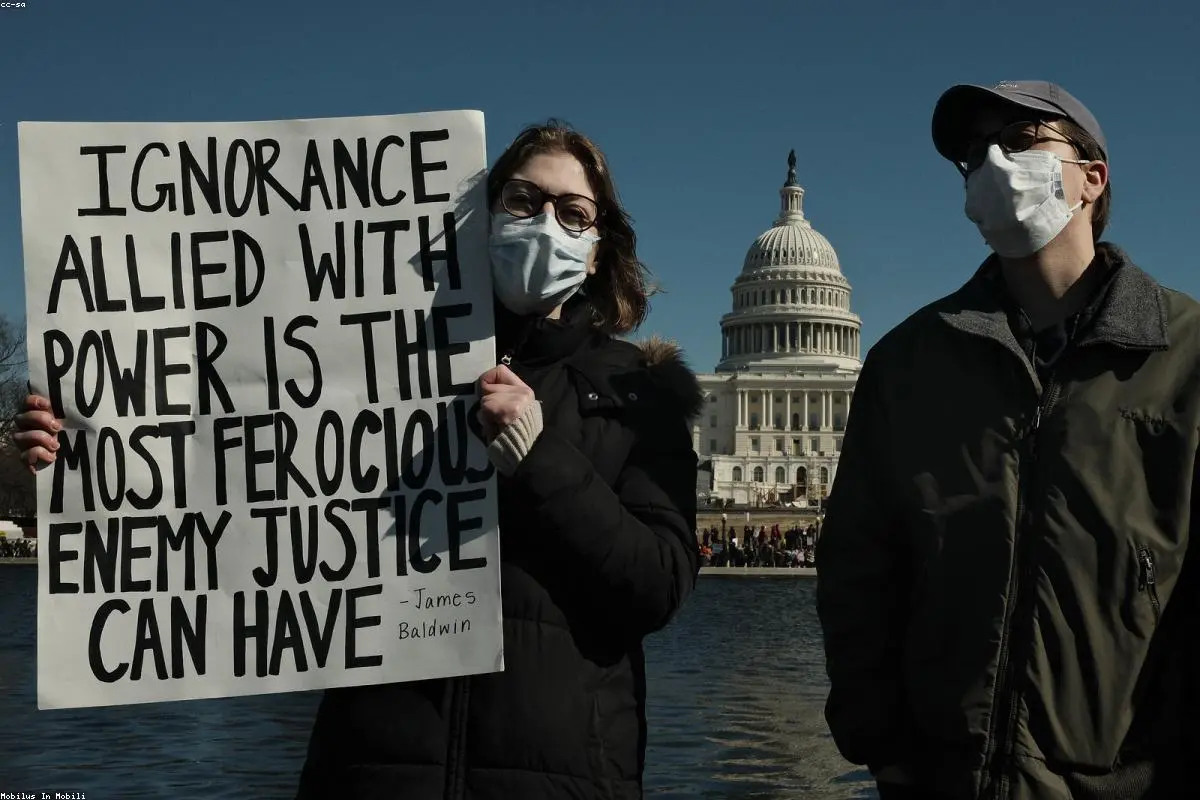
A Battle for the Soul of American Schooling
Capitol Hill is currently the stage for a high-stakes ideological chess match that could fundamentally reshape the American classroom. At the heart of the storm is a proposal by the Trump administration to dismantle or drastically restructure the U.S. Department of Education (ED). What some Republican lawmakers hail as a 'creative' return to local control, Democrats and legal experts are decrying as a potentially illegal overstep that threatens decades of civil rights progress and federal funding stability.
The debate, which has recently intensified in committee hearings, centers on a fundamental question: Does the Executive Branch have the authority to dissolve a Cabinet-level department that was established by an Act of Congress? While the administration argues that the federal government’s footprint in local schools has become too heavy, opponents argue that the department is the essential guarantor of equity for the nation’s most vulnerable students.
The Legal Quagmire: Creative Federalism or Statutory Violation?
To understand the current friction, one must look back at the Department of Education Organization Act of 1979. This legislation officially elevated education to a Cabinet-level priority. Legal scholars, as noted in recent coverage by Education Week, suggest that while a President can reorganize agencies, completely eliminating a department requires a new act of Congress.
Supporters of the move, however, are exploring 'creative' workarounds. These include the use of executive orders to transfer the department’s primary functions—such as the administration of Title I funds and student loans—to other agencies like the Treasury or the Department of Labor. This strategy aims to bypass the legislative gridlock that often prevents wholesale structural changes in Washington. Critics argue this is a 'shell game' intended to circumvent the intent of the law, effectively stripping the federal government of its oversight capacity without the public debate a formal vote would require.
The conversation is deeply rooted in broader trends within our education policy landscape, where the push for 'universal school choice' and state-led curricula has become the cornerstone of the modern conservative platform. By removing the federal 'middleman,' proponents argue, states can more efficiently tailor their educational offerings to the needs of their specific populations.
The High Cost of Efficiency
While the administration pitches the plan as a way to cut through 'Washington red tape' and save billions in administrative overhead, the financial reality is more complex. The Department of Education manages roughly $238 billion in annual budget authority, much of which is funneled directly to states and school districts through programs like Title I (for low-income schools) and IDEA (for students with disabilities).
Lawmakers opposing the dismantling warn that decentralizing these funds into 'block grants' would remove the accountability measures that ensure money actually reaches the students it was intended for. There is a palpable fear among educators that without federal mandates, states might divert funds toward other priorities, leaving rural and inner-city schools even further behind. This isn't just about moving offices; it's about the erosion of the safety net that prevents a child’s zip code from entirely determining their future.
A Divided Congress and the 'Power of the Purse'
The legislative battle lines are sharply drawn. On one side, we see a push for what is being called 'educational freedom,' where the federal government’s role is relegated to that of a passive bookkeeper. On the other, there is a fierce defense of federalism that views the ED as a necessary check on state-level discrimination and inequity.
Democratic leadership has been vocal about the 'illegal' nature of the administration's proposed tactics. They argue that the power to create or destroy federal agencies lies solely with Congress under the 'power of the purse.' Even some moderate Republicans have expressed hesitation, concerned that a total dismantling could disrupt the flow of student aid—a move that would be deeply unpopular with middle-class voters during an election cycle.
Despite the heated rhetoric, the path forward remains murky. If the administration proceeds with executive-led restructuring, the battle will likely move from the halls of Congress to the benches of the Supreme Court. The legal precedent set here would reach far beyond schools, potentially redefining the limits of presidential power over the entire federal bureaucracy.
What Happens Next?
As the debate continues to simmer, school districts across the country are left in a state of precarious limbo. Superintendents and school boards are struggling to plan multi-year budgets without knowing if their federal partners will exist in two years. This uncertainty alone is a form of disruption that critics say is by design.
Whether this effort is viewed as a bold act of 'creative' reform or a dangerous and 'illegal' overreach depends largely on one’s philosophy of government. However, as the 2026 budget cycle approaches, one thing is certain: the Department of Education is no longer just an administrative office—it is the central battlefield in a war over the future of the American state. The outcome of this fight will dictate not just how schools are funded, but who, ultimately, is responsible for the education of the next generation of Americans.