A Legacy Built on Silences
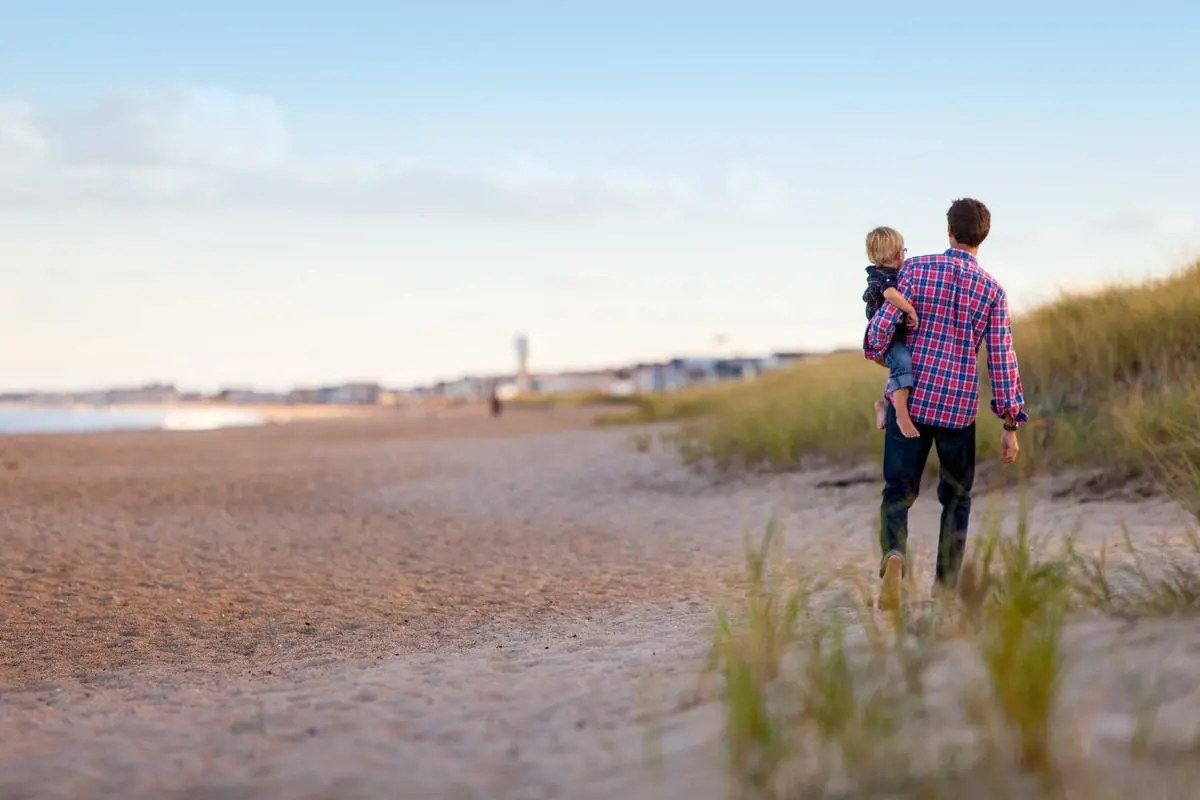
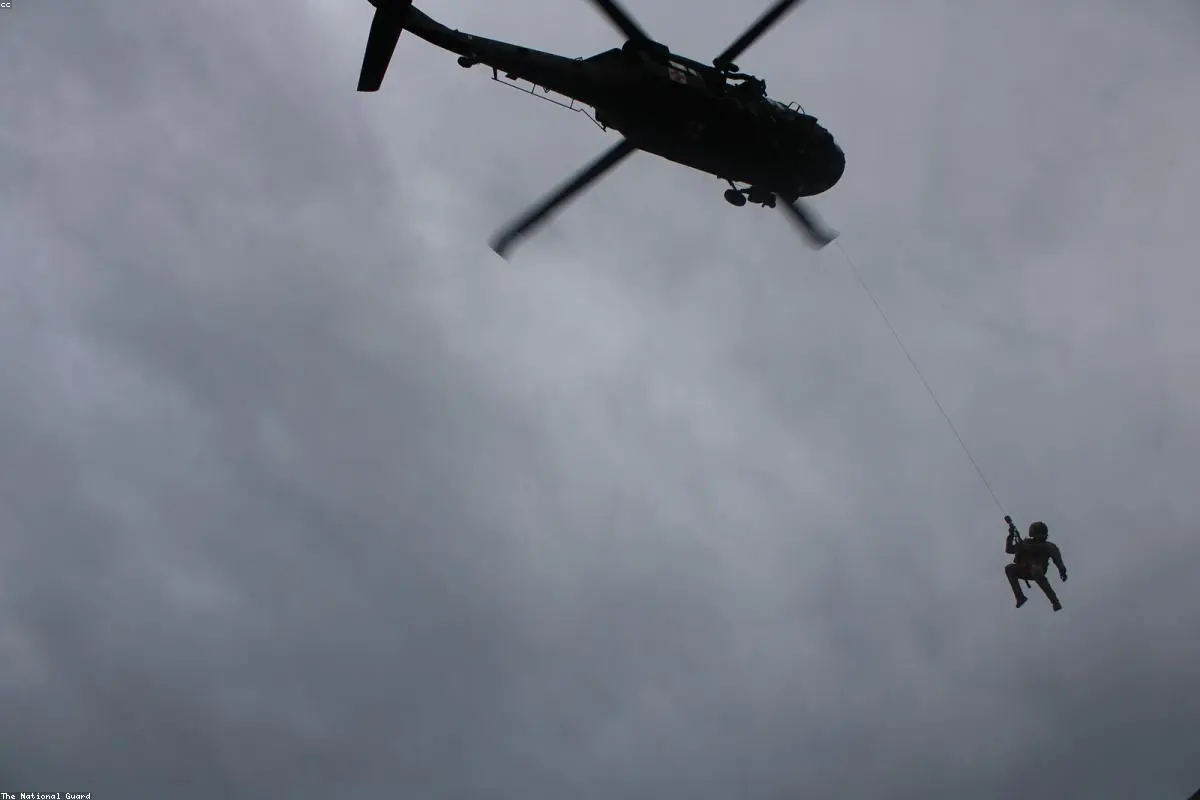
For Nykita, the story was always simple, if tragic. Her father, a British soldier stationed in Belize, had died in a helicopter crash before she could ever know him. It was a narrative that allowed her to hold onto a sense of pride and a clear, albeit painful, identity. But years later, a DNA test kit and a few clicks on a genealogy website shattered that foundation. Her father wasn't a fallen hero buried in a foreign field; he was alive, well, and living a quiet life in the United Kingdom.
Nykita’s story is far from unique. Across the tropical landscape of Belize, a new generation is grappling with the reality of their heritage. As reported by the BBC, dozens of individuals are now discovering that the 'dead' fathers they mourned are very much alive, exposing a long-ignored social byproduct of the British military presence in the region.
The Shadow of the British Army Training Support Unit
The British Army Training Support Unit Belize (BATSUB) has been a fixture in the country for decades. Originally established to protect the former colony from Guatemalan territorial claims, the base brought thousands of young British men into close proximity with local communities. While the military presence provided security and economic stimuli, it also fostered a culture of fleeting relationships between soldiers and local women.
When deployments ended, the soldiers returned to the UK, often leaving behind pregnant partners or infant children. In many cases, these men simply vanished. Without the benefit of modern social media or international tracking, mothers were left to raise children in a society where the stigma of abandonment was heavy. To protect their children—and perhaps their own dignity—many of these women crafted the "hero" narrative. It was easier to tell a child their father was a casualty of war than to explain he had simply chosen not to look back.
This phenomenon isn't localized to just one region; it reflects a broader pattern seen in international military history. From post-war Germany to the villages surrounding US bases in Vietnam, the 'left-behind' child is a recurring figure in the wake of global military operations. However, the specific colonial history between the UK and Belize adds a layer of complexity to these personal stories, involving power dynamics that are often uncomfortable to address.
The DNA Revolution and the End of the Myth
The sudden influx of truth is largely driven by the commercialization of genetic testing. What used to require private investigators and expensive legal hurdles now only requires a tube of saliva and a mailing envelope. For the 'children' of BATSUB, now adults in their 30s and 40s, these tests are providing the first tangible links to their paternal families.
The results are often a double-edged sword. While some find closure or even welcoming extended families in the UK, others face a second wave of rejection. Learning that your father didn't die for his country, but instead started a new family and never mentioned your existence, is a psychological blow that many are struggling to process. It turns a tragedy into a betrayal.
Accountability and the Culture of Silence
The British Ministry of Defence (MOD) has historically viewed these situations as private matters. The official stance generally maintains that relationships between service members and local civilians are personal affairs, outside the jurisdiction of military discipline or responsibility. Yet, advocates argue that the military environment—characterized by short-term rotations and a lack of accountability for domestic obligations abroad—facilitated this cycle of abandonment.
- Lack of Support: Mothers in Belize often had no formal channel to seek child support from the UK government.
- Power Imbalance: The disparity in wealth and status between a foreign soldier and a local woman often made legal recourse impossible.
- Institutional Blindness: For years, the military leadership turned a blind eye to the social consequences of their presence.
As more stories surface, there is a growing call for the MOD to acknowledge this legacy. While financial reparations are rarely the goal, many of those affected are seeking at least a formal recognition of their existence and easier access to military records that could help them piece together their family histories.
The Search for a New Identity
The process of reconciling a fabricated past with a complicated present is a long road. For many Belizeans, the journey isn't just about finding a father; it's about reclaiming a part of themselves that was hidden under layers of protective lies. They are navigating the nuances of being 'half-British' in a country that has its own complicated relationship with its former colonial ruler.
Ultimately, the breaking of the silence is a necessary, if painful, step toward healing. The 'ghosts' of the garrison are finally being named, and while the truth doesn't always provide a happy ending, it provides something far more valuable: the agency to define one's own story. As DNA databases grow and international connections become easier to forge, the era of the 'secret soldier dad' is rapidly coming to an end, leaving behind a legacy that the British military can no longer afford to ignore.