For nearly a decade, the name Nemesio Oseguera Cervantes—better known by his alias 'El Mencho'—was synonymous with a new, more brutal brand of narco-insurgency in Mexico. As the leader of the Jalisco New Generation Cartel (CJNG), he transformed a fledgling criminal group into a multi-billion-dollar paramilitary empire. That reign came to a violent end this week. In a precision military operation that unfolded in the rugged heartlands of Mexico, the country’s most wanted man was finally neutralized, bringing a definitive close to one of the most high-profile manhunts in modern history.
The operation, which has been corroborated by reports from the BBC and local intelligence sources, represents a massive victory for the Mexican administration. However, for those who have followed the bloody trajectory of Mexico’s drug wars, the death of a kingpin is rarely the end of the story. Instead, it often marks the beginning of a volatile new chapter. As news of the operation spreads, the primary question on everyone’s mind isn't just how he was caught, but what happens to the vacuum of power he leaves behind.
A Ghost in the Mountains
El Mencho was never the flashy, social-media-obsessed narco that characterized the younger generation of 'Los Chapitos.' He was a ghost, a former police officer who understood the tactics of those pursuing him. Under his leadership, the CJNG didn’t just move drugs; they controlled territory with the discipline and weaponry of a standing army. From using weaponized drones to deploying improvised explosive devices (IEDs) against federal troops, El Mencho changed the rules of engagement.
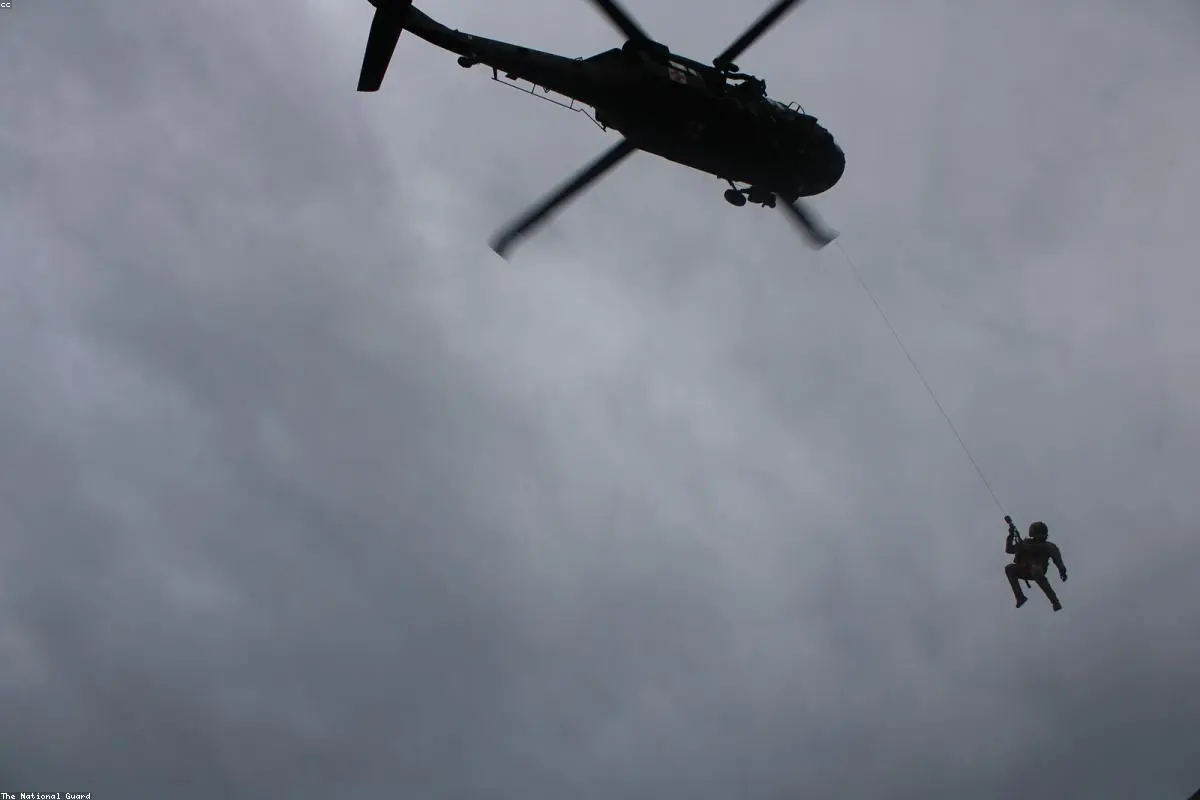
The successful military strike that ended his life was the result of months of painstaking intelligence work. Special forces units reportedly localized his position in a remote mountainous corridor between Jalisco and Michoacán—a region he treated as a personal fortress. Unlike previous attempts that were thwarted by 'narcobloqueos' (roadblocks of burning vehicles), this operation was executed with a level of secrecy and speed that gave the cartel leader’s inner circle no time to react.
The Global Reach of the CJNG
To understand why this death is reverberating through the International community, one must look at the sheer scale of the CJNG’s operations. The cartel wasn't merely a Mexican problem; it was a global conglomerate with tentacles reaching into Europe, Asia, and virtually every major city in the United States. They were primary architects of the fentanyl crisis, a role that placed El Mencho at the top of the DEA’s most-wanted list with a $10 million bounty on his head.
Security analysts suggest that the CJNG’s success was built on El Mencho’s unique blend of corporate-style logistics and medieval-style terror. While the Sinaloa Cartel often preferred negotiation and bribery, the CJNG thrived on total dominance. They would enter a new territory and give local gangs a choice: join or die. This 'scorched earth' policy allowed them to expand faster than any other criminal organization in history, but it also created a long list of enemies who may now be looking to reclaim lost ground.
The Power Vacuum: A Double-Edged Sword
While the elimination of such a violent figure is an objective success for the rule of law, history provides a sobering perspective. In the world of organized crime, the 'Kingpin Strategy'—the practice of taking out top leaders—has a checkered track record. When the head of a cartel is removed, the organization often splinters into smaller, more aggressive cells. These 'mini-cartels' frequently engage in internecine warfare to determine a successor, leading to a spike in local violence that can be even more difficult for the government to manage.
Within the CJNG, several lieutenants are likely already eyeing the vacant throne. The most prominent candidates include members of 'Los Cuinis,' a wealthy clan closely related to Oseguera by marriage, who handle the cartel's financial laundering. If a clear successor doesn't emerge quickly, we could see Jalisco, Guanajuato, and Colima descend into a period of intense instability as rival factions and the Sinaloa Cartel attempt to carve up the CJNG’s lucrative drug routes and port access.
Strategic Implications for Mexico
For the Mexican government, the timing of this operation is significant. It serves as a powerful rebuttal to critics who claimed the state had moved toward a policy of 'hugs, not bullets.' By taking down El Mencho, the administration has demonstrated that it still possesses the intelligence capabilities and the political will to strike at the very top of the criminal hierarchy. However, the true test will be whether the government can prevent the subsequent violence that typically follows such high-stakes takedowns.
Effective post-operation management will require more than just military boots on the ground. It will necessitate a surge in social programs and judicial reform in the areas formerly controlled by the CJNG to ensure that the cartel cannot simply recruit a new generation of soldiers from the local population. The goal is no longer just to remove the man, but to dismantle the infrastructure that allowed him to thrive for so long.
A Precarious Future
The death of El Mencho is undoubtedly a landmark moment in the history of the drug war, yet it is far from a 'mission accomplished' milestone. The demand for illicit substances remains high, and the financial incentives for the next 'El Mencho' are as tempting as ever. For now, the Mexican people may breathe a cautious sigh of relief that a man responsible for so much bloodshed is gone, but the shadow of the cartel remains long.
As the dust settles on the battlefield in Michoacán, the focus shifts to the streets of Mexico’s major cities. The coming weeks will reveal whether the CJNG will crumble under the weight of its leader’s absence or if it has become an institution so large that it can survive even the fall of its founder. The battle has been won, but the war for the soul and security of Mexico continues.