The Shadow of an Ancient Foe
Ebola has long been synonymous with fear. Since its discovery near the Ebola River in the Democratic Republic of the Congo in 1976, the virus has triggered recurring nightmares across the African continent. It is a zoonotic disease—meaning it jumps from animals to humans—characterized by high fever, severe internal bleeding, and a mortality rate that, in some cases, has climbed as high as 90 percent.
While the global community has made significant strides in vaccine development, the virus itself remains a formidable opponent. As noted in recent reporting from the BBC, the complexity of containment goes far beyond just having the right medication on hand. To understand why we aren't yet seeing the total eradication of Ebola, we have to look at the intersection of biology, geography, and human trust.
Biological Persistence and Hidden Reservoirs
One of the primary reasons Ebola is so difficult to contain is its biological nature. Scientists believe the virus hides in a reservoir—most likely fruit bats—where it can circulate silently among animal populations before spilling over into human settlements. This makes eradication near impossible because you cannot vaccinate an entire ecosystem of wildlife.
Once it enters the human population, the virus is highly infectious through direct contact with bodily fluids. This presents a massive logistical hurdle:
- Rapid Transmission: In densely populated areas, a single infected individual can inadvertently spread the virus through community gatherings or traditional burial rites.
- The Incubation Window: Because symptoms can take up to 21 days to manifest, individuals may unknowingly travel across borders, turning a localized health issue into a matter of international concern.
- Medical Complications: The symptoms of Ebola—fever, headaches, and muscle aches—often mimic other common regional diseases like malaria, leading to delayed diagnoses and missed opportunities for early quarantine.
The Human Element: Trust as a Medical Necessity
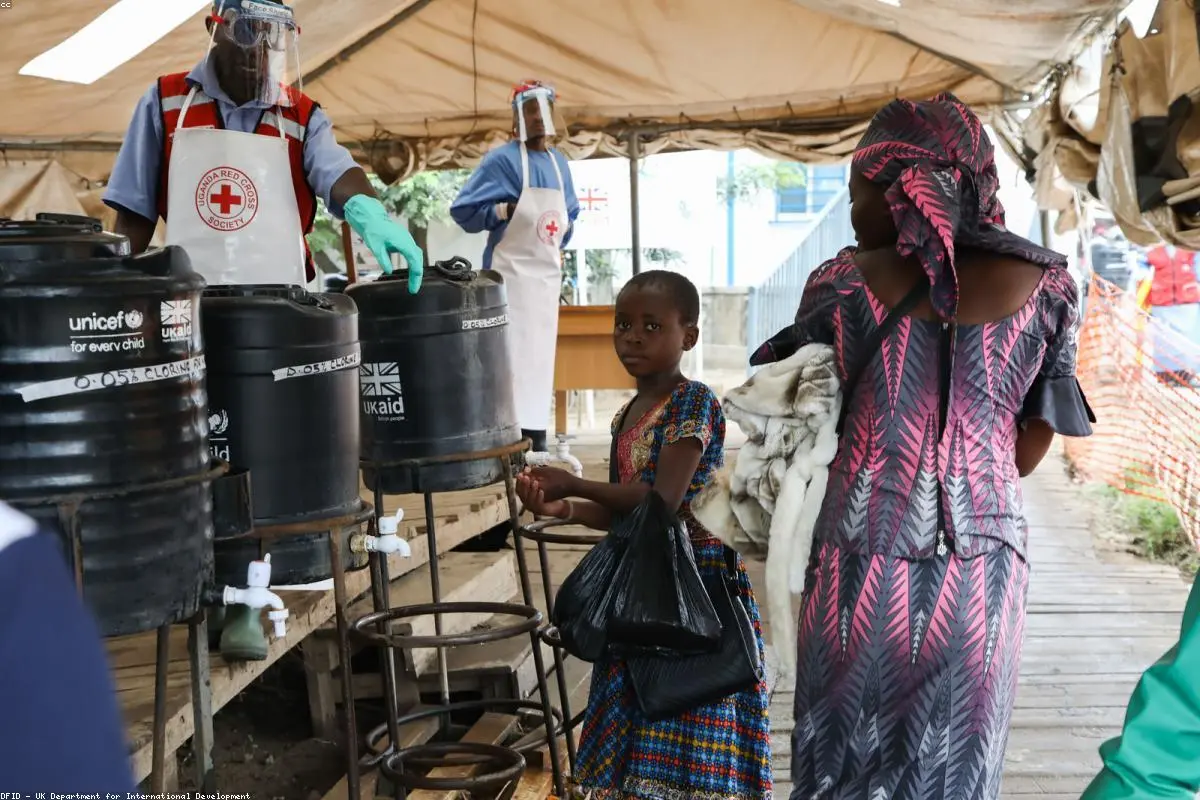
Medicine is only half the battle. In many of the regions where outbreaks occur, there is a deep-seated, historically rooted mistrust of outside intervention. When teams of workers in hazmat suits arrive to disinfect homes and take away the sick, it can feel more like an invasion than a relief effort.
Stopping a virus of this caliber requires community cooperation. If people fear the treatment centers more than the disease, they will hide their sick relatives. This cycle of silence allows the virus to flourish in the shadows, effectively nullifying the benefits of modern science. Successful containment strategies, therefore, are increasingly focusing on partnering with local leaders and influencers to build bridges rather than just barriers.
Global Infrastructure and Resource Allocation
Even when a population is willing to participate in containment efforts, the physical infrastructure of the region often dictates the outcome. Many Ebola-prone areas have rugged, remote terrain with poor road access, making it difficult to transport vaccines that often require a strict "cold chain" of refrigeration. Keeping a vaccine viable in sweltering heat without reliable electricity is a logistical feat that tests the limits of any humanitarian organization.
Furthermore, the instability of local governance can leave health systems vulnerable. When resources are spread thin due to conflict or economic hardship, the surveillance systems meant to catch an outbreak early often fall apart. We cannot stop what we cannot track, and without consistent investment in local healthcare, the world remains susceptible to the next flare-up.
Looking Toward a Resilient Future
The fight against Ebola is not just about finding a magic bullet in a lab. It is about fostering resilient systems that can withstand the shock of an outbreak. By integrating community-led care, improving regional connectivity, and maintaining robust international partnerships, the global community can continue to shrink the window of opportunity for the virus to spread. As we look ahead, the goal is clear: we must move from reactionary crisis management toward proactive health equity, ensuring that when the virus inevitably strikes again, the local community is already equipped to face it.