A Rare Moment of Vulnerability for Marvel’s Architect
For over a decade, Kevin Feige has been seen as the Midas of Hollywood. From the unprecedented success of the Infinity Saga to the expansion of the Marvel Cinematic Universe (MCU) into television, his track record has been almost bulletproof. However, every legacy has its shadow, and for Feige, that shadow is shaped like a vampire hunter. In a recent, remarkably candid interview with Variety, Feige didn't mince words when discussing the stalled Blade reboot.
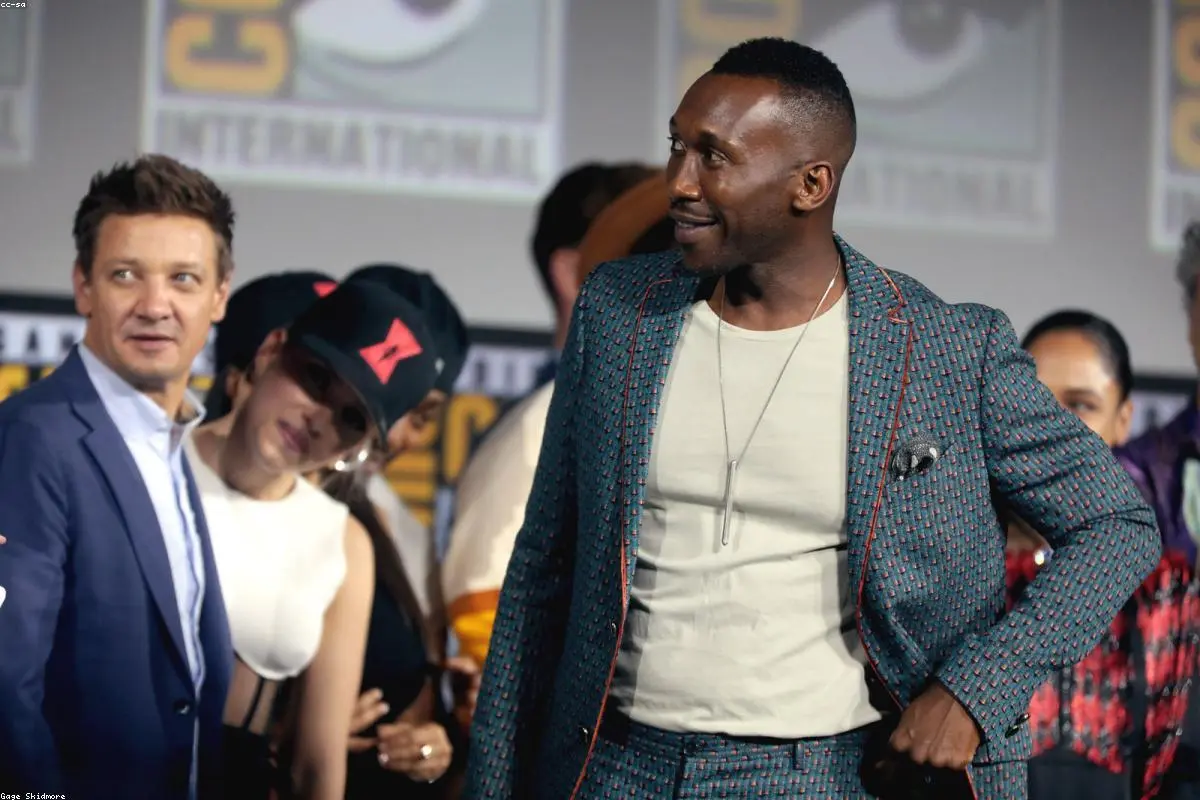
“I feel like a gigantic loser and failure that we didn’t get off the ground with Mahershala Ali,” Feige admitted. It’s a jarring statement from a man usually known for his calculated, PR-friendly optimism. For fans who have been tracking the project since its electrifying announcement at San Diego Comic-Con in 2019, the sentiment is shared. The image of Ali stepping onto the Hall H stage and donning a Blade baseball cap remains one of the most iconic moments in MCU history—a moment that, in hindsight, feels like a promise that couldn't be kept.
The Revolving Door of Development Hell
The journey of the Blade reboot has been nothing short of a procedural nightmare. Since 2019, the project has cycled through multiple directors, including Bassam Tariq and Yann Demange, and a literal handful of screenwriters. Each iteration seemed to move the needle further away from the gritty, R-rated supernatural thriller fans were craving. While Marvel is no stranger to creative differences, the scale of the turnover on Blade suggested a fundamental disconnect between the studio's vision and the character's core identity.
What makes this failure particularly stinging is the caliber of the talent involved. Mahershala Ali is not just any actor; he is a two-time Academy Award winner who personally approached Marvel about the role. To have a talent of his magnitude waiting in the wings for years, only to eventually see the project dissolve, is a logistical and creative embarrassment that Feige clearly takes to heart. In the high-stakes world of entertainment, time is the one resource even Disney can't buy back, and years of Ali’s prime were arguably spent waiting for a script that never materialized.
The Shift in Marvel’s Strategy
Feige’s admission comes at a turning point for Marvel Studios. After a period of breakneck expansion that many critics argued led to "superhero fatigue," the studio has pivoted back toward a "quality over quantity" philosophy. Blade, it seems, became the ultimate casualty of this new rigor. Rather than pushing out a mediocre film to meet a release date—a mistake some feel the studio made with projects like Ant-Man and the Wasp: Quantumania—Feige chose to let the project stall until it could be done right, or not at all.
“We have a responsibility to the character and to Mahershala,” Feige explained in the interview. “If we can’t find the magic that made the original Wesley Snipes films work while bringing something entirely new to the MCU, then we’re just making noise. And I’m tired of making noise.” This introspective approach suggests that the “failure” Feige feels isn't just about a missed deadline, but about a perceived inability to solve the creative puzzle of the Daywalker.
Legacy and the Shadow of Wesley Snipes
It is impossible to discuss Blade without acknowledging the massive boots left behind by Wesley Snipes. The original 1998 film essentially paved the way for the modern superhero era, proving that Marvel characters could thrive on the big screen with the right tone. Feige was an associate producer on those early films, making this reboot a full-circle moment that ultimately failed to close. The pressure to live up to that legacy, while integrating a supernatural, R-rated world into the largely PG-13 MCU, proved to be a tighter tightrope than anyone anticipated.
Beyond the internal struggles, the industry landscape has shifted. The success of Deadpool & Wolverine proved there is an appetite for R-rated Marvel fare, but it also raised the bar for what those films need to deliver. A Blade movie that felt watered down or overly reliant on the standard MCU formula likely would have been rejected by the very fans who were most excited for it.
What Happens to Mahershala Ali’s Blade?
While Feige’s comments sound like a final eulogy, the industry rarely stays quiet for long. Whether this means the project is being completely reimagined or if the character will eventually debut in a different capacity—perhaps a team-up film or a smaller-scale series—remains to be seen. However, for now, the takeaway is clear: Kevin Feige is human. Even the most successful producer in modern history can hit a wall, and his willingness to own that failure publicly is perhaps the most refreshing thing to come out of the MCU in years.
The “failure” of Blade might actually be a sign of growth for Marvel Studios. By admitting that they couldn't get it right, Feige is signaling to the audience that the brand's integrity matters more than just filling a slot on a corporate calendar. It’s a painful lesson, but one that might just save the future of the franchise.