Economic Reality Hits the Metaverse
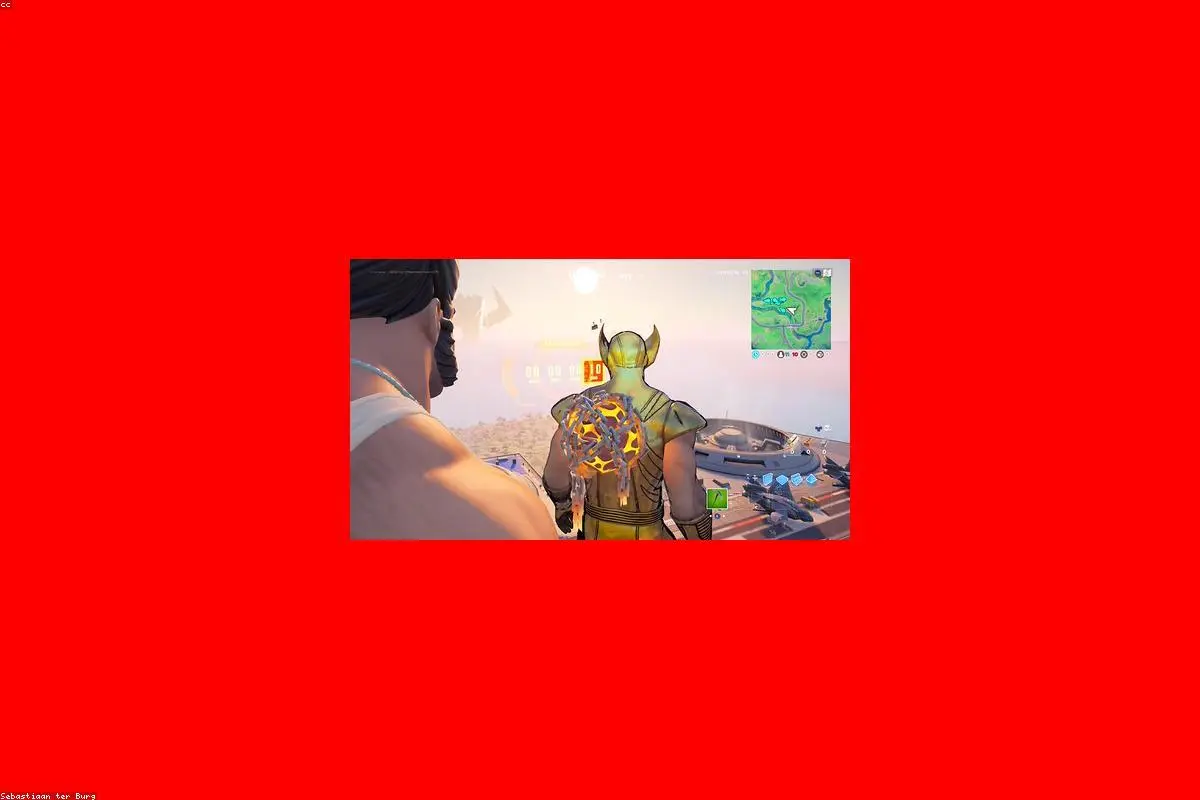
For years, Fortnite has stood as a bastion of the 'free-to-play' model, built on the premise that you can enjoy one of the world's most popular games without spending a dime. But while the game remains free to download, the virtual economy that sustains it is about to get more expensive. Epic Games recently confirmed it is raising the price of V-Bucks, the digital currency used to buy everything from flashy character skins to the latest emotes.
This isn't just a minor tweak for a specific region. The price adjustments are rolling out across several major markets, including the United States, the United Kingdom, and Canada. For the average player, it means the standard bundles of V-Bucks will cost roughly 12% to 15% more than they did just a month ago. While a few dollars might not seem like a dealbreaker for a one-time purchase, the cumulative effect on a player base numbering in the hundreds of millions is significant.
'To Help Pay the Bills'
The reasoning behind the move was refreshingly, if not brutally, honest. According to reports from the BBC, the company framed these changes as a necessity to keep the lights on and continue development. In a memo to staff, the developer noted that the adjustments were driven by inflation and currency fluctuations, essentially admitting that the cost of maintaining a global digital empire has risen sharply.
The phrase "to help pay the bills" carries a lot of weight here. It suggests that even the most successful entities in the Technology sector aren't immune to the macroeconomic pressures that have squeezed household budgets over the last two years. From server maintenance and high-level engineering talent to the massive costs of licensing music and pop-culture icons for in-game events, the overhead for a live-service game like Fortnite is astronomical.
A Broader Trend in the Tech Industry
Epic’s decision doesn’t exist in a vacuum. It follows a year of significant belt-tightening across the tech and gaming industries. We have seen similar price hikes from Sony’s PlayStation Plus, Microsoft’s Xbox Game Pass, and almost every major streaming service from Netflix to Disney+. The era of 'growth at all costs'—where services were subsidized to gain users—is rapidly giving way to an era of 'sustainability and profitability.'
Furthermore, this price hike follows a period of internal restructuring for Epic Games. Not long ago, the company announced the layoff of approximately 900 employees, about 16% of its workforce. CEO Tim Sweeney admitted at the time that the company was spending more money than it was earning, largely due to its ambitious vision for the 'metaverse' and its ongoing legal battles with industry titans like Apple and Google.
The Price of Independence
Part of Epic's financial strain stems from its role as an industry disruptor. By challenging the 30% commission taken by mobile app stores, Epic has positioned itself as a champion for developers, but that stance has come with a hefty legal bill and the loss of significant revenue from being kicked off the iOS App Store. Every dollar spent on courtroom battles is a dollar that isn't going into game development, making the revenue generated from V-Bucks even more critical to the company's survival.
Moreover, Epic is heavily investing in the Unreal Editor for Fortnite (UEFN), a toolset that allows creators to build their own games and experiences within the Fortnite ecosystem. While this could eventually turn Fortnite into a platform similar to Roblox, the initial investment required to pay creators and maintain the infrastructure is immense. The current price hike is, in many ways, a bridge to that future.
What This Means for the Player Base
How will the community react? Traditionally, gamers are vocal about price increases, yet their spending habits often tell a different story. Because Fortnite is so deeply ingrained in youth culture, many players view V-Bucks not as a luxury, but as a standard social expense. However, there is a risk of fatigue. As more digital services demand a larger slice of the consumer's wallet, players may become more selective about which 'battle pass' or 'exclusive skin' they actually need.
To mitigate the backlash, Epic has been careful to frame this as an adjustment to economic realities rather than a play for corporate greed. By being transparent about the inflationary pressures, they are banking on the loyalty of a fanbase that has grown up with the game over the last six years.
Looking Ahead
As we move into the next fiscal year, the success of this pricing strategy will be a bellwether for the rest of the gaming world. If Epic can sustain its player numbers despite the higher costs, expect other developers to follow suit. The transition from a simple game to a multifaceted digital platform is a costly journey, and it appears that, for now, the players are the ones being asked to help fund the expedition.
- V-Bucks Price Increase: Average hike of 12-15% in major territories.
- Driving Factors: Global inflation, currency devaluation, and high operational costs.
- Company Context: Follows recent layoffs and a shift toward platform-based revenue.
- Industry Impact: Reflects a wider trend of rising subscription and digital goods prices.