A Rivalry Like No Other in World Football
In the high-stakes world of elite European football, the term "derby day" usually conjures images of heavy police cordons, segregated fan zones, and a palpable atmosphere of tension. From the North London derby to the El Clásico, the narrative is often built on division. However, tucked away in the northern corner of Spain, the Basque derby between Real Sociedad and Athletic Bilbao offers a refreshing, if not revolutionary, alternative to the standard footballing rivalry.
Known locally as the Euskal Derbia, the clash between these two historic clubs is frequently cited as the friendliest rivalry in world football. While the desire to win on the pitch remains as fierce as any top-tier competition, the stands tell a different story—one of shared identity, mutual respect, and a celebration of Basque culture that transcends the final score. As reported in our latest updates on Sports, this fixture continues to set a global benchmark for sportsmanship.
The Mixed Seating Tradition: Fans Without Fences
The most striking visual element of a Basque derby is the lack of segregation. In almost every other major league, away fans are funneled into high-security pens, often behind glass screens or netting. At the Reale Arena in San Sebastián or San Mamés in Bilbao, however, it is a common sight to see a fan in the blue-and-white stripes of Real Sociedad sitting directly next to a supporter in the red-and-white of Athletic Bilbao.
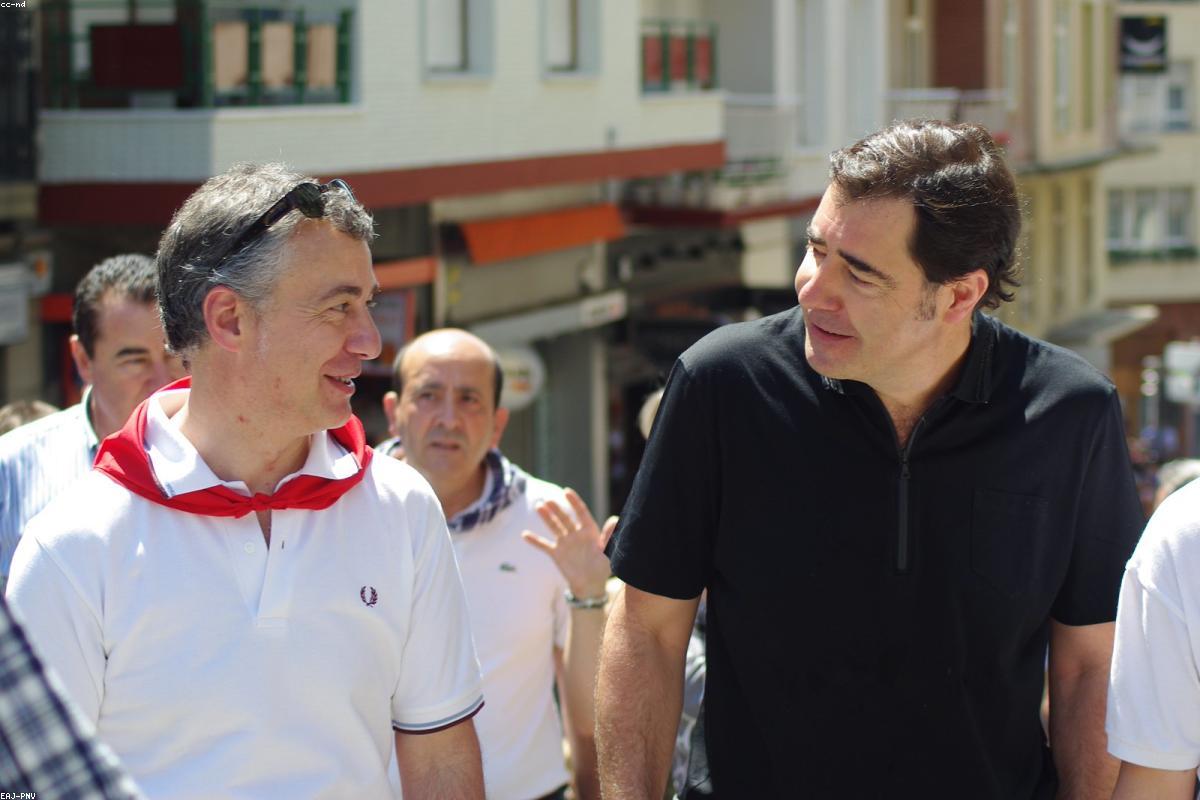
This "mixed seating" is not merely a modern PR stunt; it is a deeply ingrained tradition. Families in the Basque Country are often split in their loyalties, with siblings or spouses supporting different sides. On match day, these fans walk to the stadium together, share drinks in the local taverns, and watch the game side-by-side. The hostility that plagues many other local derbies is replaced by pique—a form of light-hearted ribbing and banter that never crosses the line into violence.
A Shared Cultural Identity
The root of this unique atmosphere lies in the shared Basque identity. For both sets of fans, being Basque often comes before their club allegiance. During the Franco era in Spain, football stadiums were among the few places where Basque symbols and the Basque language (Euskara) could be discreetly celebrated. This history of collective struggle forged a bond between the two communities that remains unbreakable today.
According to detailed insights from BBC Sport, the derby is seen more as a showcase of the region's strength rather than a battle to diminish the neighbor. When either team wins a major trophy, it is not uncommon to see supporters of the rival club offering genuine congratulations, viewing the success as a victory for the Basque Country as a whole.
Athletic Bilbao’s Unique Philosophy
The friendly nature of the rivalry is also bolstered by Athletic Bilbao’s famous cantera policy. The club famously only recruits players who were born or trained in the Basque Country. Real Sociedad maintained a similar policy for decades before opening their doors to international players in 1989 to remain competitive in La Liga.
Because so many players on both teams have grown up in the same youth academies or played together in regional representative teams, the professional respect on the pitch is immense. These players are often close friends off the field, which naturally tempers the aggression during the ninety minutes of play. This interconnectedness ensures that even when the tackles fly, the underlying respect remains intact.
Intensity Without Animosity
It would be a mistake, however, to assume the Basque derby lacks intensity. On the pitch, the competition is elite. Both Real Sociedad and Athletic Bilbao are perennial contenders for European spots in Spanish football, and the matches are characterized by high-pressing, technical skill, and tactical discipline. The players understand that while they represent a friendly region, they also represent the pride of their respective cities.
For the neutral observer, the Basque derby serves as a powerful reminder of what football can be. It is a sport capable of fostering community rather than division. In an era where footballing discourse is often dominated by toxic social media debates and stadium unrest, the Euskal Derbia stands as a beacon of hope.
Conclusion: A Model for the Modern Game
The Basque derby proves that the "beautiful game" is at its best when it reflects the best of humanity. By prioritizing sportsmanship and regional heritage over sectarianism, Real Sociedad and Athletic Bilbao have created a sporting spectacle that is as heartwarming as it is competitive. Whether the points go to San Sebastián or Bilbao, the true winner is always the Basque spirit—a sentiment that makes this fixture arguably the most unique and admirable rivalry in the world of sports.