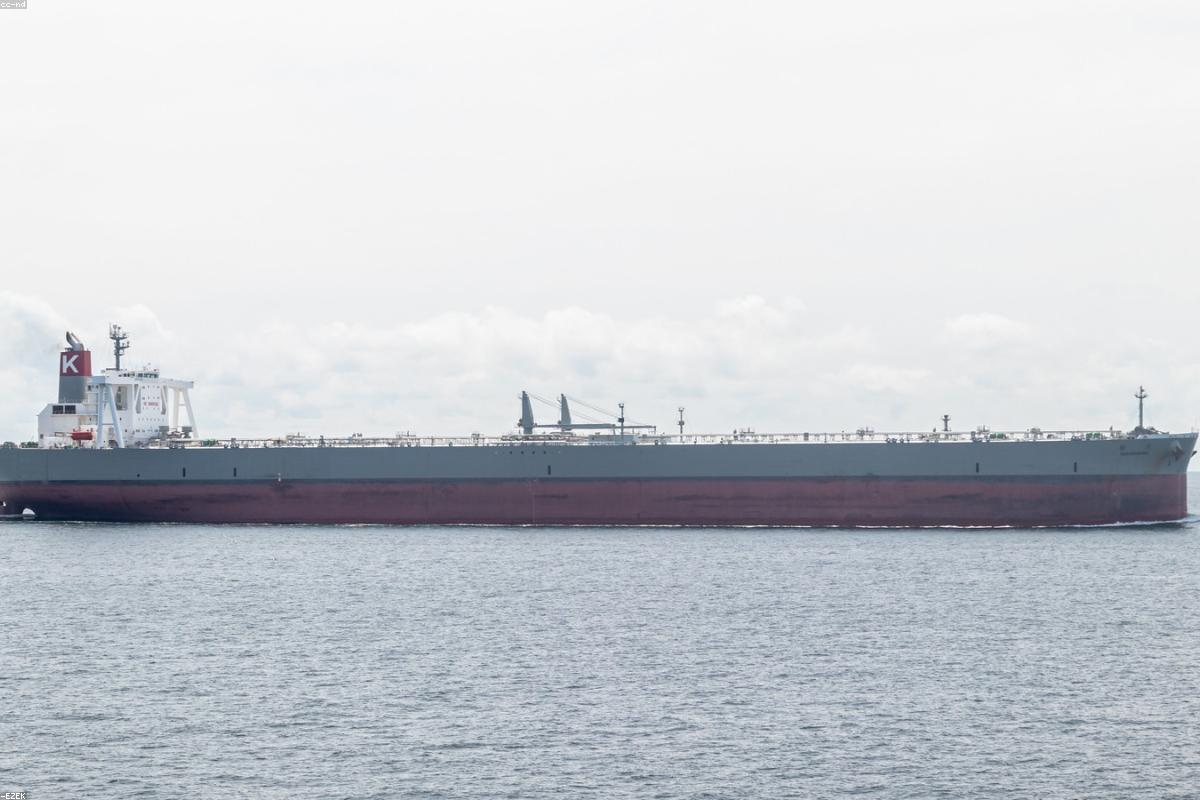
Captain Convicted Following Devastating North Sea Tanker Collision
A significant ruling has been delivered in the case concerning the fatal collision involving a tanker in the North Sea, culminating in the captain being found guilty. The incident, which led to the tragic loss of life and significant disruption to maritime logistics, has brought intense scrutiny upon the safety protocols and decision-making processes governing the global shipping industry.
The verdict underscores the immense responsibility placed upon senior officers navigating complex and busy international waterways. Legal proceedings focused heavily on operational decisions made in the moments leading up to the crash, highlighting critical lapses in judgment that ultimately proved deadly. For stakeholders in the maritime sector, this case serves as a stark reminder of the non-negotiable nature of safety compliance.
The Incident: Timeline and Impact on Maritime Business
The collision occurred several months ago, involving a large commercial tanker and another vessel. While the full details remain subject to ongoing legal processes regarding sentencing, the court determined that the captain's conduct fell substantially below the expected professional standard required for safe navigation. Such incidents inevitably cause major ripple effects throughout the supply chain, impacting insurance premiums, shipping schedules, and the overall profitability of related **business** ventures.
The financial repercussions alone for incidents of this scale are staggering, encompassing salvage operations, environmental clean-up costs, and substantial claims against the vessel owners and operators. Maintaining high operational standards is therefore not just a regulatory requirement but a crucial element of sound financial planning within the shipping industry.
Focus on Accountability in Commercial Shipping
This conviction reinforces the principle of command responsibility within the maritime regulatory framework. Legal experts suggest that the prosecution successfully demonstrated a failure in effective watchkeeping and adherence to established collision avoidance procedures.
“When safety standards are breached at the executive level of a vessel’s command structure, the consequences—both human and financial—are severe,” stated a spokesperson familiar with maritime law. “This verdict reflects the industry’s necessity to prioritize risk management over expediency.”
The ramifications extend beyond the immediate parties. Regulatory bodies worldwide will likely use this finding as evidence to tighten oversight, potentially leading to increased auditing and mandatory retraining for high-seas captains. This increased scrutiny directly affects the cost of doing **business** at sea.
Industry Response and Future Implications
Industry analysts are watching closely to see how shipping companies will respond to bolster their internal compliance mechanisms. The pressure on maritime insurers and chartering companies to verify robust training and operational readiness has intensified.
For those interested in the regulatory landscape affecting global trade, understanding the outcomes of these high-profile incidents is essential. You can find more in-depth reporting on major commercial developments in our Business section.
The official source for much of this reporting can be traced back to initial coverage provided by the BBC: BBC News Report Link.
Conclusion: A Firm Stance on Maritime Safety
The guilty verdict against the captain involved in the deadly North Sea tanker crash serves as a powerful assertion of accountability in the high-stakes world of international shipping. While the loss of life is irreversible, the legal outcome provides a definitive statement on the expected standards of operational excellence. This ruling will undoubtedly influence safety protocols and risk assessment practices across the entire global maritime **business** community moving forward.