The High-Stakes Game of ‘Affordable Luxury’
It was supposed to be a standard Saturday morning for retail staff at Swatch boutiques across several major global hubs. Instead, it turned into a logistical nightmare. Within hours of opening, several flagship locations were forced to shutter their doors as massive crowds—fueled by a mix of genuine horological enthusiasm and the relentless pressure of the resale market—became unmanageable. The frenzy, sparked by the latest iteration of the brand's high-profile collaborations, serves as a stark reminder that even in a digital-first economy, the allure of the physical 'drop' remains as potent, and potentially disruptive, as ever.
According to reports from BBC News, police intervention was required in some jurisdictions to manage the queues that had begun forming days in advance. While Swatch has faced similar challenges since the 2022 launch of the original MoonSwatch, the persistent inability to match supply with the sheer scale of demand continues to raise questions about the brand’s long-term retail strategy.
The Magnetism of the Mission to EarthPhase
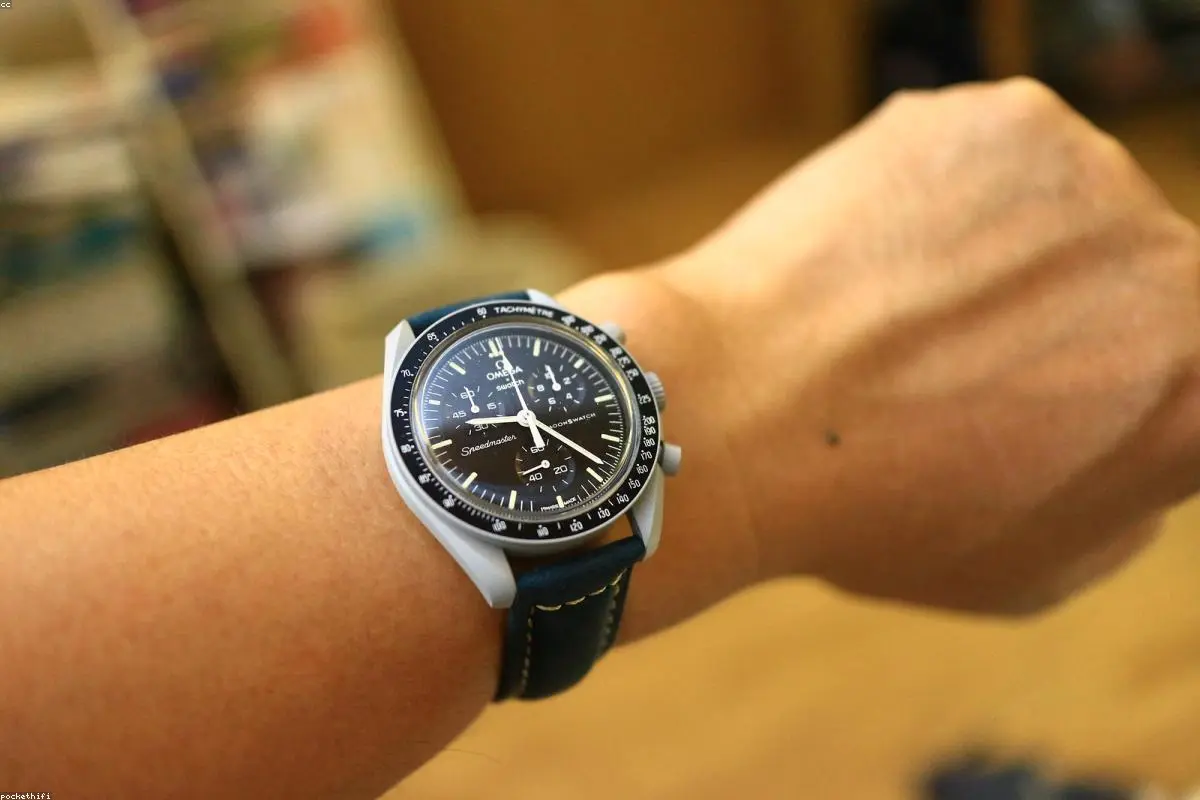
The catalyst for this latest round of sidewalk scuffles was the release of the Bioceramic MoonSwatch Mission to EarthPhase. Unlike previous models that focused on planetary aesthetics, this new timepiece features a world-first 'earth phase' complication, showing our planet as seen from the moon. At a price point that sits comfortably in the 'affordable luxury' bracket, it bridges the gap between the prestige of Omega and the playful accessibility of Swatch.
However, the technical merits of the watch often take a backseat to its status as a liquid asset. Within minutes of the stores closing, the watches were appearing on secondary marketplaces like StockX and eBay for three to four times their retail value. This financial incentive is what transforms a peaceful queue of collectors into a high-tension environment where professional resellers compete for a limited inventory. It is a phenomenon we frequently analyze in our business news section, where the intersection of brand hype and economic scarcity creates a unique, often volatile, market dynamic.
The Logistics of Controlled Chaos
For Swatch, these events are a double-edged sword. On one hand, the sight of thousands of people lining up for a plastic-cased watch is a marketing executive’s dream, signaling a level of brand relevance that most competitors would kill for. On the other hand, the operational risks are significant. Closing a store due to safety concerns is a failure of logistics that can alienate the very customers the brand is trying to court.
Retail experts suggest that the brand faces three main challenges:
- Safety and Liability: Managing thousands of people on public sidewalks requires coordination with local authorities that often exceeds a store’s budget.
- The Scalper Problem: When a product is 'store-only,' it rewards those with the most time to wait, which often favors professional resellers over genuine fans.
- Brand Fatigue: While the first few drops were seen as exciting events, repeated closures and 'out of stock' signs can eventually turn curiosity into frustration.
Why Swatch Won't Go Fully Digital
One might wonder why Swatch doesn't simply move these high-demand launches online to avoid the physical chaos. The answer lies in the brand's commitment to the 'high-street' experience. By keeping these watches as in-store exclusives, Swatch drives foot traffic into physical locations that have struggled since the pandemic. It forces consumers to interact with the brand in a tangible way, reinforcing the 'treasure hunt' aspect of the purchase.
Furthermore, an online release would likely be decimated by automated 'bots' within seconds, a problem that arguably creates even more animosity among consumers than a long line does. By keeping it physical, Swatch maintains a semblance of 'human' distribution, even if that distribution is currently marred by overcrowding. The strategy is less about efficiency and more about maintaining the aura of an 'event.'
Looking Ahead: The Future of the Drop
As the dust settles and the shutters are eventually raised again, the broader retail industry is watching closely. The Swatch phenomenon has proven that there is still a massive appetite for physical retail, provided the product feels like a cultural moment rather than just a commodity. However, the recurring nature of these store closures suggests that the 'drop' model may need to evolve.
Whether through a lottery system, pre-orders, or more robust security measures, Swatch must find a way to balance hype with harmony. For now, the 'MoonSwatch fever' shows no signs of breaking, leaving both the brand and its customers in a delicate dance between high-demand luxury and high-street reality. The question remains: how long can a brand thrive on scarcity before the crowds decide the wait is no longer worth the watch?