The Steel Trap: Life Under Seizure
For most of us, a job is something we leave at the end of the day. But for the merchant mariners navigating the volatile waters of the Middle East, the workplace has become a potential prison. The phrase "there’s no hiding place on a ship" isn't just a seafaring observation; it is a chilling reality for crews currently caught in the crosshairs of regional power struggles near Iran.
When a vessel is boarded or detained, the crew—often comprised of workers from the Philippines, India, and Eastern Europe—becomes collateral damage in a conflict they have no part in. According to a recent deep-dive by the BBC, these sailors are living in a state of perpetual limbo, where the horizon represents not a journey, but a boundary they are forbidden to cross.
The Psychology of the Stranded
Imagine being thousands of miles from home, confined to a steel structure roughly the size of a city block, surrounded by the deep blue of the Gulf but unable to touch land. The psychological toll of being stranded at sea is immense. These sailors aren't just facing physical isolation; they are grappling with the uncertainty of when, or if, they will see their families again.
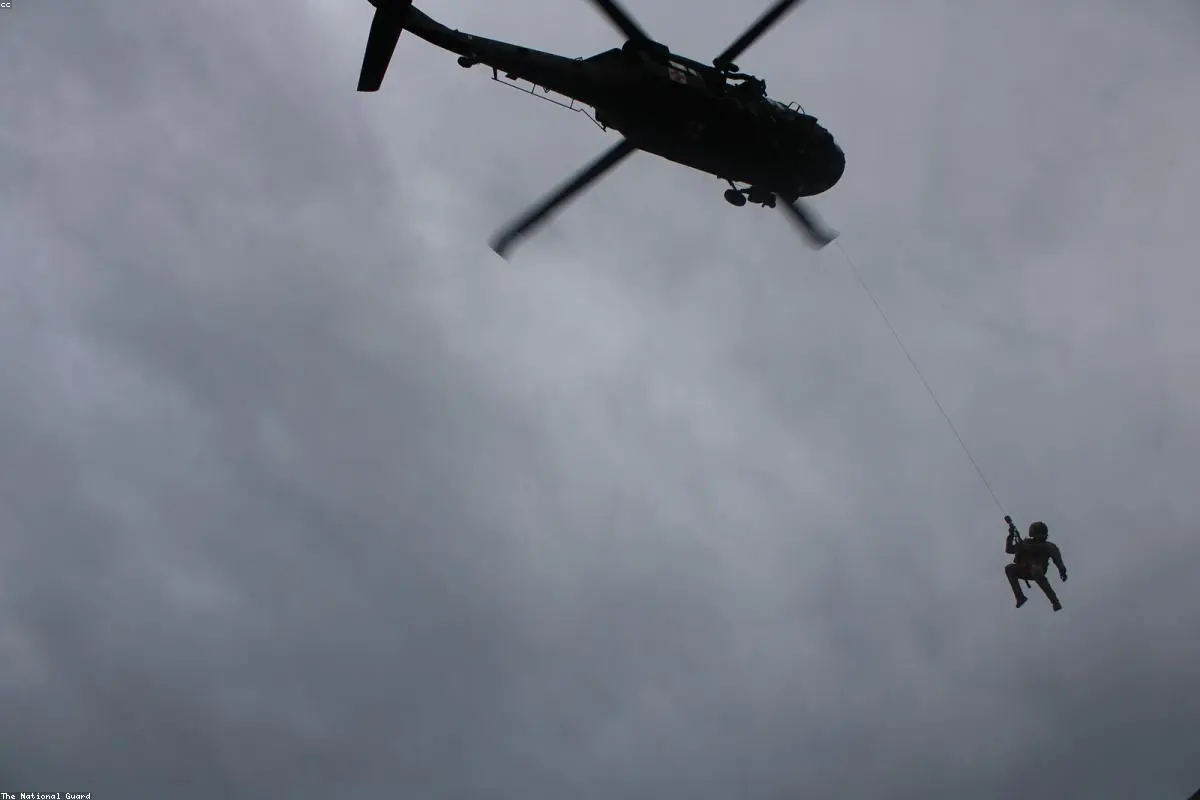
Onboard a ship, every sound—a helicopter overhead, the approach of a fast patrol boat—takes on a sinister tone. Unlike land-based conflicts where civilians might seek shelter in basements or flee to neighboring regions, mariners are trapped within the hull. In the world of International maritime operations, the ship is both the sanctuary and the target.
The Geopolitical Chessboard
The Strait of Hormuz is one of the world's most vital economic arteries. Approximately one-fifth of the world’s total oil consumption passes through this narrow waterway daily. Consequently, it has become the primary stage for "tit-for-tat" seizures. When a nation feels squeezed by sanctions or diplomatic pressure, the shipping lanes offer a vulnerable point to apply counter-pressure.
You can read more about the broader implications of these maneuvers in our International maritime news section. These seizures aren't just about the cargo or the ships themselves; they are about leverage. Unfortunately, that leverage is built on the backs of workers who are simply trying to earn a living to send money back to their villages and cities.
A Forgotten Workforce
One of the most tragic aspects of these maritime standoffs is how quickly the crews are forgotten by the public eye. When a headline reads "Ship Seized in the Gulf," the focus is usually on the flag of the vessel, the owner’s nationality, or the price of crude oil. The human beings in the engine room or on the bridge are often relegated to a footnote.
These sailors often work under grueling conditions even in the best of times. They face months of isolation, physical labor, and the constant motion of the sea. When you add the threat of armed guards or indefinite detention into the mix, the situation becomes untenable. Families back home in places like Kerala or Manila are left to navigate a bureaucratic nightmare, pleading with embassies and shipping companies for any scrap of information.
The Role of International Law
While maritime law is supposed to protect the freedom of navigation and the safety of crews, the reality on the water is much more chaotic. International conventions like the Maritime Labour Convention (MLC) set standards for the treatment of seafarers, but these rules carry little weight when a vessel is held under the jurisdiction of a sovereign state during a military or political standoff.
- Lack of Jurisdiction: Most ships fly "flags of convenience," meaning the country where the ship is registered may have little power or interest in protecting the crew.
- Communication Blackouts: Once a ship is seized, crews often have their phones confiscated, cutting off their only link to the outside world.
- Diplomatic Inertia: Negotiations for the release of crews can take months, as they are often tied to larger, unrelated diplomatic demands.
Looking Toward the Horizon
The current situation near Iran serves as a stark reminder of the fragility of the global supply chain. We rely on these invisible workers for everything from the fuel in our cars to the grain in our bread. Yet, their safety is frequently treated as an afterthought in the grand theater of geopolitics.
Ending the plight of stranded sailors requires more than just diplomatic statements; it requires a fundamental shift in how we view maritime security. If the world continues to treat the oceans as a lawless frontier where merchant vessels are fair game, the cost will be measured not just in dollars and barrels, but in the lives and sanity of the men and women who keep our world moving. For now, the sailors near Iran remain, waiting for a signal that they can finally head home, away from a ship where there is no place to hide.