The High Stakes of Heavy Industry
The soot-stained skyline of Scunthorpe has long been a symbol of Britain’s industrial backbone, but recently, the atmosphere around the UK’s second-largest steel producer has turned decidedly frosty. Jingye Group, the Chinese conglomerate that rescued British Steel from the brink of collapse in 2020, is reportedly seeking significant compensation from the UK government. This request comes as the Labour government explores a massive overhaul of the industry, moving toward a greener, state-supported future that could see the private firm’s influence significantly curtailed.
When Jingye acquired British Steel four years ago, it was hailed as a savior. The deal promised to protect thousands of jobs and inject much-needed capital into an aging infrastructure. However, the honeymoon period ended quickly, replaced by the harsh realities of soaring energy costs, global market volatility, and the urgent pressure to decarbonize. Today, the dialogue has shifted from partnership to protectionism, as Jingye looks for financial redress over what it perceives as a move toward the de facto nationalisation of the sector’s future assets.
The Green Transition: A Double-Edged Sword
The core of the dispute lies in the transition from traditional blast furnaces to Electric Arc Furnaces (EAFs). The current blast furnaces in Scunthorpe are massive, coal-hungry behemoths that account for a significant portion of the UK's carbon footprint. The government, eager to hit its Net Zero targets, has been negotiating a support package worth hundreds of millions of pounds to help British Steel pivot to EAF technology, which uses recycled scrap steel and electricity rather than iron ore and coking coal.
While this shift is environmentally necessary, it is economically and socially painful. EAFs require far fewer workers than blast furnaces, putting thousands of livelihoods at risk. Behind closed doors, Jingye is reportedly arguing that the government’s shift in industrial strategy—which includes stricter environmental regulations and potential state equity in the new 'green' infrastructure—undermines the value of their original investment. As reported by the BBC, this has led to a complex legal and financial standoff over who should foot the bill for the transition.
Navigating the Global Business Landscape
This situation is not happening in a vacuum. It reflects a broader trend in the business world where the lines between private enterprise and state intervention are becoming increasingly blurred. For the UK government, the dilemma is acute: they cannot afford to let British Steel fail, as it would devastate the regional economy and leave the UK entirely dependent on imported steel for critical infrastructure and defense. Yet, writing a blank check to a foreign-owned firm at a time of fiscal restraint is a tough sell to the British public.
The strategic importance of steel cannot be overstated. It is the literal foundation of the UK's wind turbines, railways, and naval vessels. If Jingye pushes for a compensation package that the Treasury finds unpalatable, the government may be forced to consider more radical options, including bringing the works back under public ownership—a move that many in the unions and on the political left have been advocating for years.
The Human Element of Industrial Policy
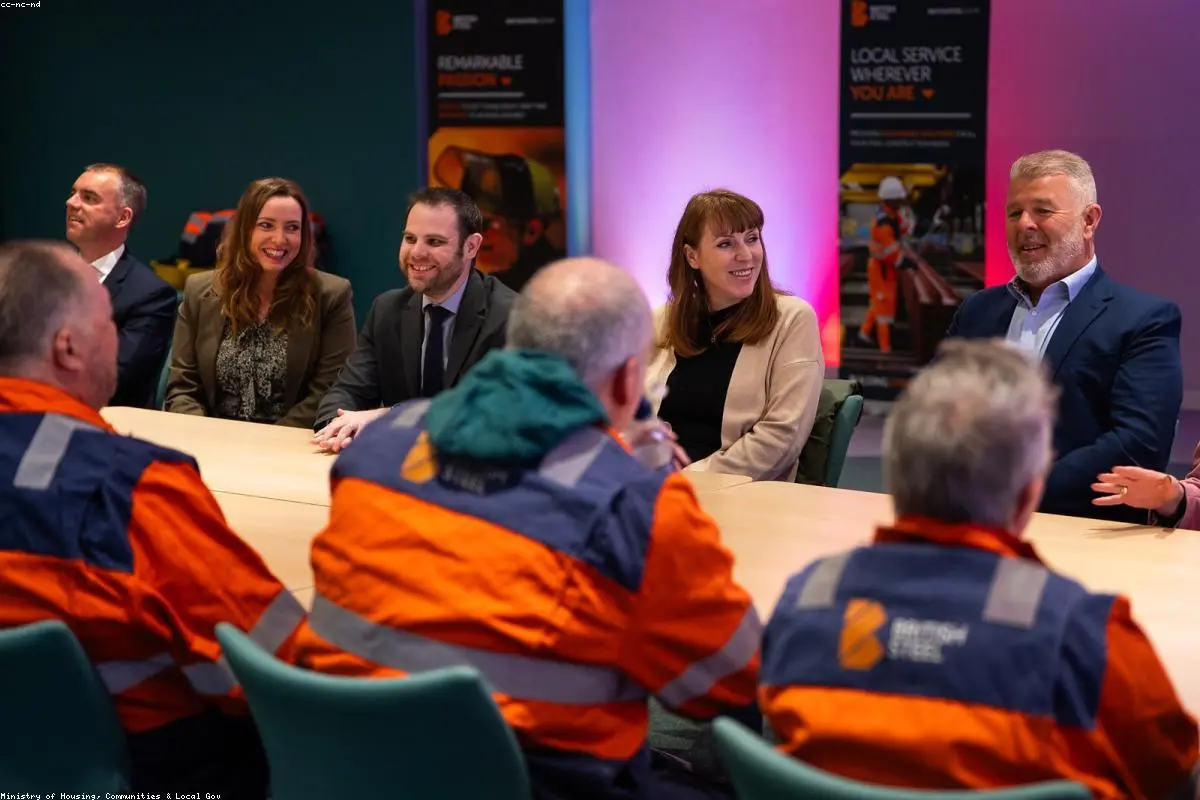
Beyond the spreadsheets and the diplomatic tension, there is the human cost. For the workers in Scunthorpe, the news of compensation claims and nationalisation talks feels like a game of high-stakes poker played with their lives. The move to Electric Arc Furnaces is estimated to result in up to 2,500 job losses. For a community that has lived and breathed steel for generations, 'compensation' for a multi-national corporation offers little comfort when the local high street faces an existential threat.
Government ministers are currently walking a tightrope. They must secure a deal that ensures the long-term viability of steel production in the UK while simultaneously managing the fallout of a massive industrial shift. The current negotiations with Jingye are less about a simple business transaction and more about the future of British manufacturing in a post-carbon world. If a middle ground cannot be found, the fallout could redefine the UK's relationship with foreign industrial investment for decades to come.
What Happens Next?
The coming months will be critical. The UK government is expected to finalize its 'Steel Strategy,' which will outline the exact level of state support and the conditions attached to it. Whether Jingye remains a willing partner in this journey or seeks an exit strategy via compensation remains to be seen. What is clear is that the era of 'cheap' steel—both in terms of financial cost and environmental impact—is over.
As the two sides continue their tug-of-war, the industry watches closely. The resolution of this dispute will serve as a bellwether for how other heavy industries, from chemicals to cement, will navigate the treacherous waters of the green transition. For now, Scunthorpe waits, hoping that the fire in its furnaces doesn’t go out for good while the lawyers and politicians argue over the price of the ashes.