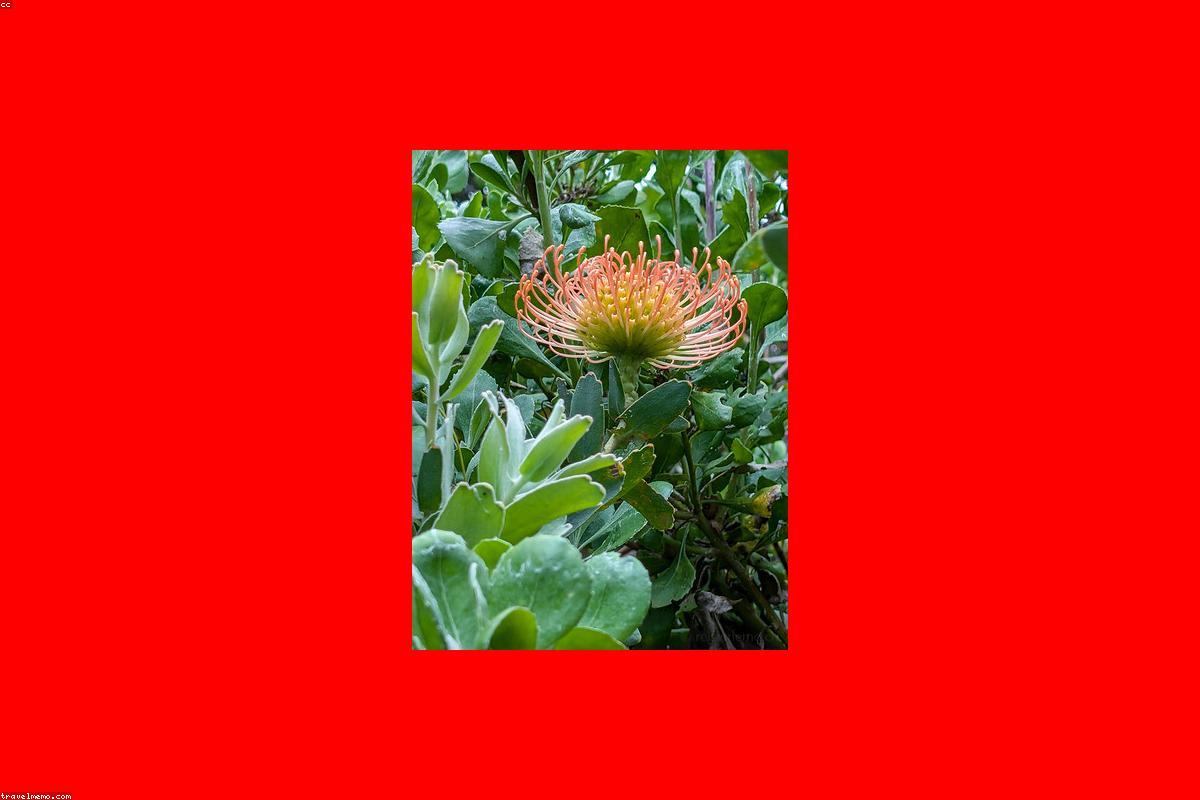
South Africa's Iconic Kirstenbosch Botanical Garden Faces Dire Water Shortage Crisis
Kirstenbosch National Botanical Garden, a verdant jewel nestled at the foot of Table Mountain in Cape Town, South Africa, is renowned globally for its unparalleled biodiversity and stunning landscapes. An acclaimed UNESCO World Heritage site, it attracts countless visitors drawn to its unique Fynbos biome and meticulously curated plant collections. However, this iconic beauty spot now faces an unprecedented crisis: it is on the brink of running out of water, a situation that underscores critical environmental and conservation challenges.
According to a report by the BBC, the garden's primary water supply, derived from streams originating on Table Mountain, has reached critically low levels. This dire situation has prompted urgent calls for action and raised significant concerns about the long-term sustainability of such vital ecological and tourist destinations. The plight of Kirstenbosch is a stark reminder of how local environmental issues can have far-reaching implications, reflecting a broader international concern for natural resource management.
The Jewel of Cape Town Under Threat
Kirstenbosch is not merely a garden; it is a living museum, a research hub, and a significant contributor to South Africa's tourism economy. Home to nearly 7,000 species of plants, many of which are endemic to the region, it plays a crucial role in conservation efforts. The prospect of this botanical treasure facing a severe water deficit is alarming, not only for the plants themselves but also for the myriad of insects, birds, and small mammals that depend on the ecosystem. Garden management has already implemented drastic water-saving measures, including reducing irrigation and prioritizing critical plant collections, but the situation remains precarious.
A Tapestry of Contributing Factors
Prolonged Drought and Climate Change
The immediate cause of Kirstenbosch's water woes is a prolonged period of below-average rainfall that has plagued the Western Cape region of South Africa. While droughts are a natural part of the area's climate cycle, the intensity and frequency have intensified, a trend many scientists attribute to international climate change patterns. Years of insufficient rainfall have led to diminished stream flows and depleted groundwater reserves, impacting not just the garden but also the wider Cape Town metropolitan area.
Urbanisation and Increased Demand
Cape Town is a rapidly growing city, with an expanding population that places ever-increasing demands on its finite water resources. Despite significant efforts in water conservation by residents and businesses, the cumulative effect of urbanisation exacerbates the pressure on existing supplies. This competition for water resources between natural areas, agriculture, and urban centers is a common challenge in many developing regions across the international landscape.
Aging Infrastructure and Management
While Kirstenbosch itself is proactive in water management, the broader infrastructure supporting water distribution in the region can sometimes be a contributing factor. Ensuring efficient water delivery and minimizing losses through leaks or outdated systems is crucial. The reliance on surface water sources also highlights the vulnerability to climatic shifts, prompting a re-evaluation of diversified water supply strategies.
The Ecological and Economic Ripple Effect
The potential loss of plant species in Kirstenbosch due to water scarcity would be an ecological catastrophe. Many of the garden's collections represent rare and endangered Fynbos species, a biome found nowhere else on Earth. Beyond the immediate botanical impact, a diminished Kirstenbosch would also have severe economic consequences for South Africa. Tourism is a vital sector, and attractions like the botanical garden draw significant international visitors, supporting local jobs and businesses. A decline in its appeal due to environmental degradation could significantly harm the local economy and South Africa's global image as an ecotourism destination.
The challenges faced by Kirstenbosch resonate with broader international efforts to conserve biodiversity and manage water resources sustainably. For more global environmental news and policy discussions, visit our International category.
Seeking Sustainable Solutions
In response to the crisis, Kirstenbosch management, supported by local authorities and conservation bodies, is exploring various sustainable solutions. These include drilling boreholes to access underground water reserves, implementing advanced water-wise gardening techniques, improving greywater recycling systems, and enhancing public education on water conservation. Long-term strategies involve exploring options for increased rainwater harvesting, potential partnerships for treated wastewater reuse, and continued advocacy for robust climate change mitigation policies at both national and international levels. The goal is not just to survive the current drought but to build resilience against future climatic uncertainties.
A Call for Collective Action
The impending water crisis at Kirstenbosch National Botanical Garden serves as a powerful microcosm of the environmental challenges facing South Africa and the wider world. It underscores the critical interdependence between human activity, urban development, and the health of our natural ecosystems. Addressing this challenge requires a multi-faceted approach involving government, scientific institutions, local communities, and international partners. Only through collective action, innovative solutions, and a deep commitment to conservation can we safeguard such irreplaceable natural heritage sites for future generations, ensuring that the verdant beauty of Kirstenbosch continues to thrive amidst a changing climate.