Confidence Amidst Uncertainty
For many holidaymakers, the lead-up to the summer break is often a mix of excitement and mild trepidation. Between the logistics of packing and the hope for good weather, the last thing anyone wants to hear is that their flight might be grounded due to supply chain issues. However, EasyJet's outgoing chief executive, Johan Lundgren, has stepped in to offer a significant dose of reassurance, stating firmly that the airline does not anticipate any disruptions caused by jet fuel shortages this summer.
The concerns originally stemmed from whispers within the aviation industry regarding potential bottlenecks in the fuel supply chain across Europe. Given the high demand for travel as families look to make up for lost time over the past few years, any hiccup in logistics can have a massive ripple effect. Yet, Lundgren’s comments suggest that the low-cost carrier has fortified its operations against such volatility, ensuring that the millions of seats booked for the coming months remain secure.
The Strategic Safety Net
One might wonder how an airline can remain so confident when global energy markets are notoriously fickle. The answer largely lies in the complex world of fuel hedging. This is a financial strategy where airlines purchase fuel at fixed prices months or even years in advance to protect themselves from sudden price spikes or supply dips. By locking in their requirements early, EasyJet has effectively insulated itself from the immediate shocks that might affect smaller or less prepared operators in the Business of aviation.
Lundgren emphasized that the company’s supply lines are diverse and resilient. Unlike some regional hubs that might rely on a single pipeline or refinery, major carriers like EasyJet utilize a network of suppliers. This diversification acts as a secondary insurance policy; if one source encounters a hurdle, others can usually scale up to fill the void. This operational maturity is a key reason why the airline is projecting a record-breaking summer performance in terms of passenger numbers.
Beyond the Fuel Tank
While fuel is a non-issue for the summer, the aviation sector isn't entirely out of the woods. During a recent discussion regarding the company’s financial health, it became clear that the real challenges lie elsewhere. According to a report by the BBC, EasyJet is more concerned with external factors such as air traffic control (ATC) restrictions and potential industrial action across European airspace.
The European skies are currently some of the most congested in the world. ATC strikes in France or staffing shortages in German control towers often cause more delays than mechanical issues or fuel logistics combined. Lundgren pointed out that while EasyJet can control its fuel supply and its fleet maintenance, it remains at the mercy of these third-party infrastructure providers. To combat this, the airline has increased its number of standby aircraft and crew to ensure they can recover quickly from any ATC-related delays.
A Strong Financial Flight Path
The timing of these reassurances coincides with a period of financial optimism for the carrier. EasyJet has seen a significant narrowing of its winter losses—a standard trend for seasonal airlines—and is seeing a surge in demand for its 'EasyJet Holidays' package business. This segment of the company has become a powerhouse, offering high margins and a loyal customer base that appreciates the convenience of bundled travel.
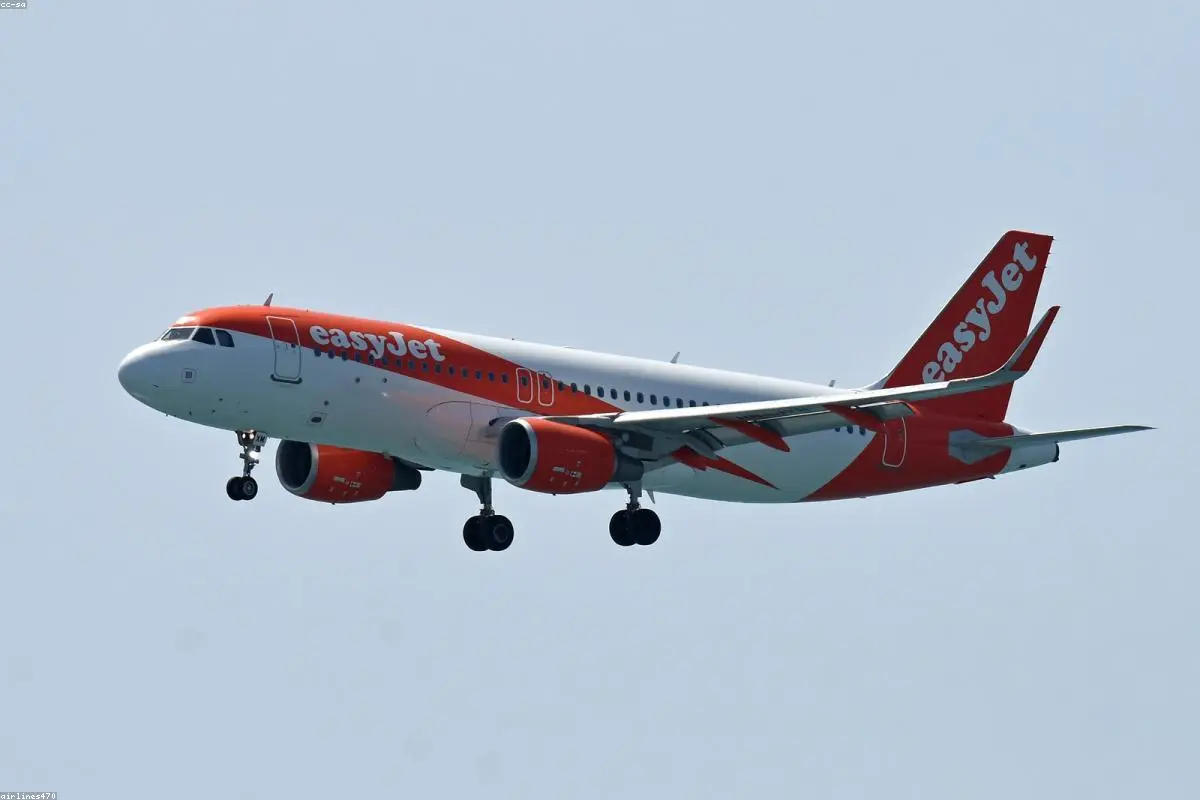
Investors have been watching closely as Lundgren prepares to hand over the reins to the current CFO, Kenton Jarvis, early next year. The transition comes at a time when the airline is looking to modernize its fleet with more fuel-efficient Airbus A320neo aircraft. These planes don't just reduce carbon emissions; they also burn less fuel, further protecting the bottom line from future price volatility. It is a clear sign that the company is thinking long-term, moving beyond the immediate pressures of the post-pandemic recovery.
The Passenger Perspective
What does all this mean for the person sitting in seat 14A? Essentially, it means that the primary risks to your summer getaway aren't coming from the fuel tanks. The airline’s proactive hedging and supply chain management mean that ticket prices, while subject to general inflation, are not being artificially inflated by a sudden lack of kerosene. Furthermore, the commitment to maintaining a full schedule suggests that cancellations will be kept to an absolute minimum.
The broader takeaway for the travel industry is one of resilience. After years of being grounded or operating under heavy restrictions, airlines like EasyJet have emerged leaner and more strategically robust. They have learned the hard lessons of the past decade, placing a higher premium on operational stability than ever before. While the skies can always be unpredictable, the message from the top of EasyJet is clear: they are ready for the heat of the summer rush.
Ultimately, as we move into the peak travel season, the focus shifts from the boardroom to the departure lounge. With fuel concerns sidelined, the industry's eyes will be on the efficiency of ground operations and the hope that European air traffic control can keep pace with the record-breaking demand. For now, travelers can breathe a little easier, knowing that their flight to the sun is fueled and ready to go.