A New Direction for the Green Brand
For decades, the gaming industry has been defined by a simple, physical reality: the box under your television. Whether it was the raw power of the OG Xbox or the sleek design of the Series X, Microsoft’s gaming identity was inextricably linked to hardware. However, a recent leadership pivot at the tech giant has sent shockwaves through the community, leading some long-time supporters to declare the 'end of Xbox' as we know it.
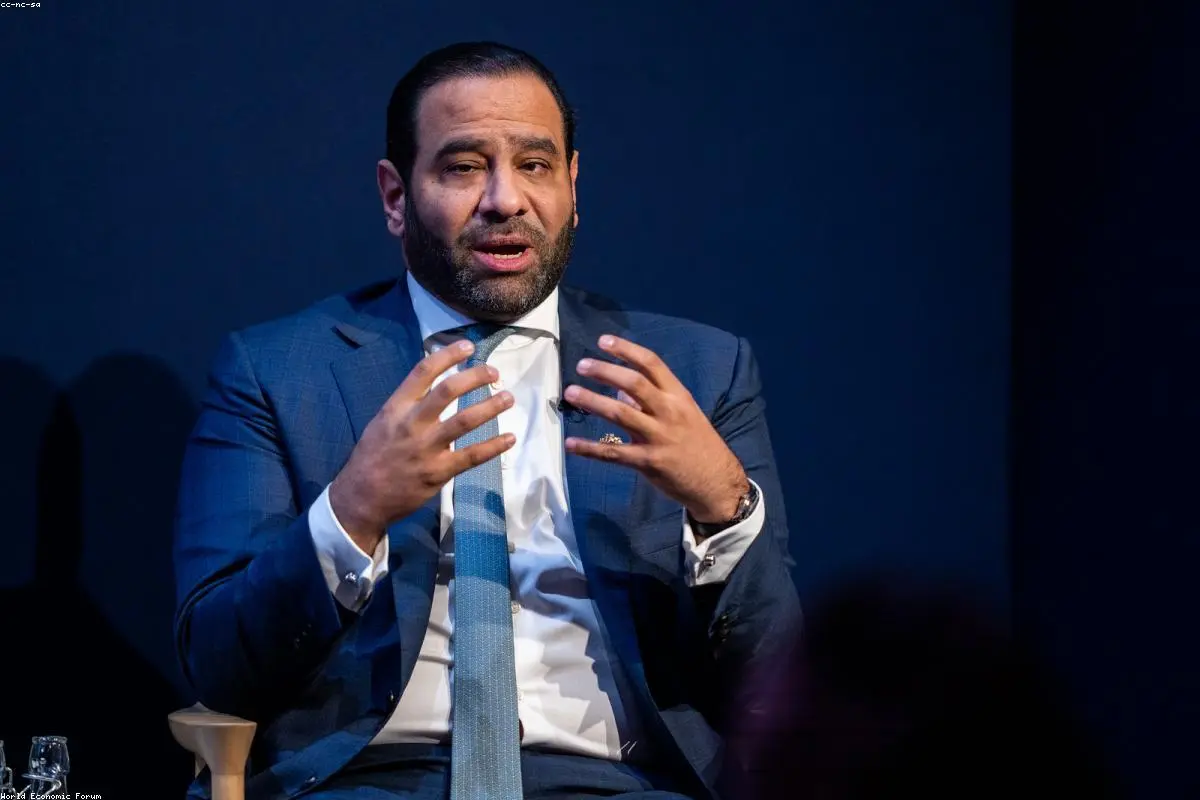
The catalyst for this existential angst is the appointment of high-level Artificial Intelligence executives into roles that directly oversee or influence the gaming division. This isn't just a minor reshuffle; it represents a fundamental shift in how Microsoft views its interactive entertainment arm. Instead of being a standalone console ecosystem, gaming is increasingly being viewed through the lens of data, cloud infrastructure, and generative AI.
This organizational pivot, which was recently detailed in reports by the BBC, suggests that the traditional boundaries between Windows, AI development, and Xbox are blurring. For the average consumer, this might sound like corporate jargon, but for the hardcore fan base, it signals a departure from a 'games-first' mentality toward an 'algorithm-first' strategy.
The AI Infiltration: Beyond the Buzzwords
To understand why fans are split, we have to look at what AI actually brings to the table in a gaming context. Microsoft isn't just looking to put ChatGPT into a video game character—though that is certainly on the horizon. The goal is much more structural. By integrating AI leadership into the top tiers of gaming, Microsoft aims to streamline development, personalize the Game Pass experience, and perhaps most controversially, automate parts of the creative process.
The push toward a more integrated tech stack is a recurring theme in our Technology category, where we’ve tracked how legacy brands are fighting to stay relevant in an era of rapid automation. For Xbox, this means moving away from the 'walled garden' of the console and into a world where your game follows you across every screen, powered by a massive, invisible cloud backend.
However, many enthusiasts argue that this focus on efficiency and cross-platform synergy comes at a cost. The fear is that the 'soul' of gaming—the idiosyncratic, often messy creative visions of developers—will be smoothed over by data-driven decisions. If an AI executive is calling the shots, will they prioritize a risky, artistic masterpiece, or a safe, engagement-optimized service that keeps the metrics trending upward?
The 'End of the Console' Anxiety
For a specific subset of the community, the phrase 'the end of Xbox' isn't just hyperbole. It refers to the death of the console as a dedicated piece of hardware. If Microsoft’s ultimate goal is to deliver Game Pass to every smartphone, smart TV, and toaster on the planet, then the actual Xbox console becomes a secondary, perhaps even vestigial, product.
The split in the fan base is visible on every social media platform. On one side, you have the 'Traditionalists'—the players who grew up on Halo and Gears of War, who want a powerful machine that justifies their 4K television. They see the AI-led future as a dilution of the brand. On the other side are the 'Modernists,' who argue that the hardware war with Sony and Nintendo is already over, and Microsoft's only path to victory is to change the rules of the game entirely.
Key concerns from the community include:
- Content Homogenization: Will AI-driven development lead to games that feel like they were made by a committee?
- The Death of Ownership: A heavier lean on cloud and AI services often moves players further away from actually owning their software.
- Hardware Neglect: Fear that the next generation of Xbox hardware will be an afterthought compared to cloud infrastructure.
- Privacy and Data: Concerns over how AI executives will leverage player data to drive monetization.
A Necessary Evolution?
While the backlash is loud, there is a pragmatic argument for this transition. The cost of making 'Triple-A' games has ballooned to unsustainable levels, with some titles taking nearly a decade and hundreds of millions of dollars to produce. Microsoft’s bet is that AI can break this cycle. If AI can assist in world-building, bug testing, and asset creation, it could theoretically allow for more frequent, high-quality releases.
Furthermore, Microsoft has never been just a gaming company. It is a productivity and infrastructure titan. By bringing gaming under the wing of its AI leadership, it can leverage its massive investment in OpenAI and custom silicon to create experiences that Sony or Nintendo simply cannot replicate without equivalent cloud footprints. It’s a gamble that trades short-term brand loyalty for long-term market dominance.
The tension here is palpable. We are witnessing a legacy brand undergo a mid-life crisis in public. Whether this leadership change marks the 'end' or a 'rebirth' depends entirely on how Microsoft balances its technological ambitions with the needs of the people actually holding the controllers. If they can use AI to empower creators rather than replace them, the 'end of Xbox' might just be the start of something far more expansive.
As the dust settles on this latest restructuring, one thing is certain: the Xbox of 2030 will look nothing like the Xbox of 2001. Whether that’s a tragedy or a triumph remains to be seen, but the era of the box is undeniably fading into the era of the cloud.