The Invisible Threat: Understanding Meningitis
It often begins with something as mundane as a slight fever or a nagging headache. In the early stages, many people dismiss these symptoms as a common cold or a particularly bad bout of the flu. However, meningitis is a medical chameleon, masking its lethal potential behind ordinary symptoms before rapidly escalating into a life-threatening condition. Knowing how to spot the signs early and understanding the pathways of transmission is not just a matter of medical curiosity; it is a critical life skill.
Meningitis is characterized by the inflammation of the protective membranes—known as meninges—that surround the brain and spinal cord. While several factors can trigger this inflammation, including fungi or certain medications, the most common culprits are viruses and bacteria. According to recent reports shared by the BBC, awareness remains our strongest defense against the speed at which this disease moves.
In our broader Health coverage, we often emphasize the importance of early intervention. With meningitis, that window of opportunity is exceptionally narrow. Bacterial meningitis, in particular, can lead to severe brain damage, hearing loss, or even death within 24 hours if left untreated.
The Classic Symptoms and the 'Glass Test'
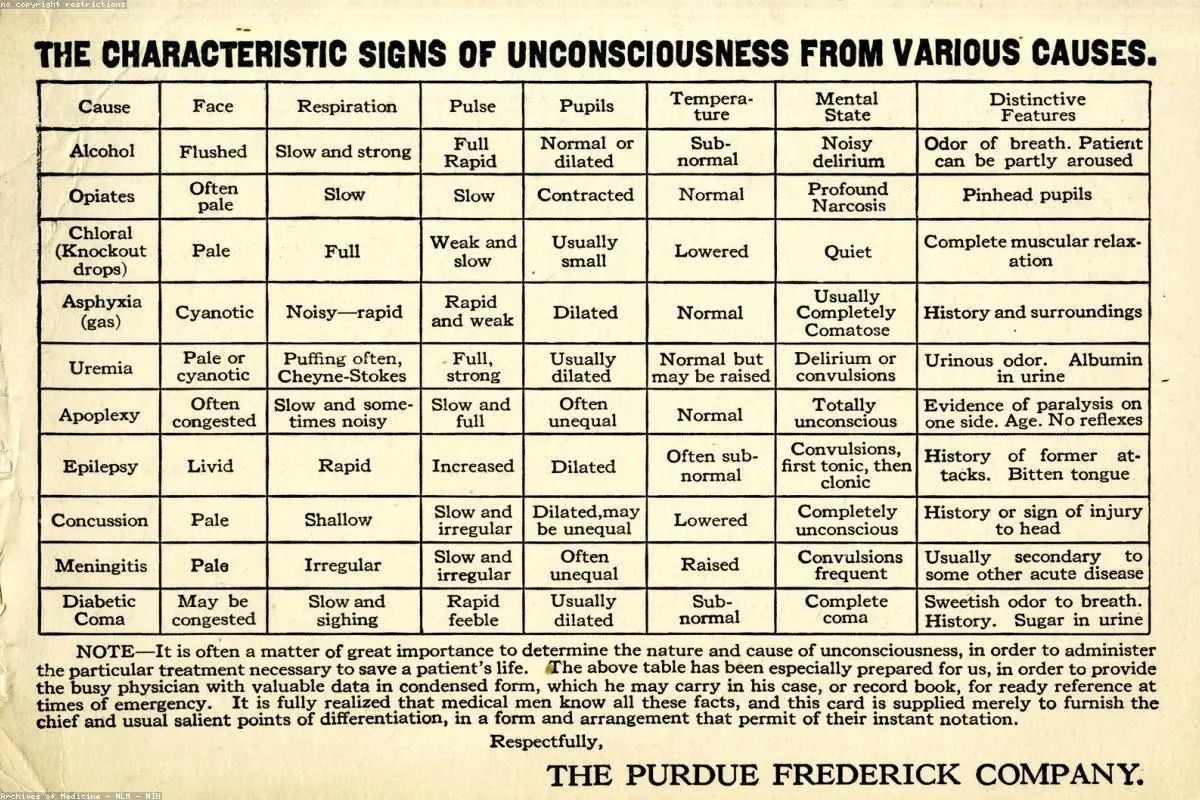
While the "classic triad" of meningitis symptoms includes a high fever, a stiff neck, and an altered mental state, these don't always appear simultaneously. In many cases, especially in children and young adults, the progression is much more nuanced. One of the most distinctive markers is a sudden, severe headache that feels unlike any previous experience. This is often accompanied by photophobia—an extreme sensitivity to light that makes even a dim lamp feel agonizing.
The Non-Blanching Rash: Perhaps the most famous sign of meningococcal septicaemia (a form of blood poisoning associated with meningitis) is a specific type of rash. It often starts as small, purple-red pinpricks that quickly spread to look like fresh bruises. A vital tool for every parent and caregiver is the 'Glass Test.' If you press a clear glass tumbler firmly against the rash and the spots do not fade or disappear, it is a medical emergency that requires an immediate call to emergency services.
- Vomiting and Nausea: Often occurring early on and sometimes mistaken for food poisoning.
- Confusion and Irritability: Patients may become lethargic, difficult to wake, or unusually aggressive.
- Cold Hands and Feet: Even in the presence of a high fever, the extremities may feel icy to the touch.
- Seizures: As the inflammation puts pressure on the brain, neurological disruptions can occur.
How Does It Spread? Dispelling the Myths
There is a common misconception that meningitis is as contagious as the common cold. In reality, most of the bacteria that cause meningitis are not spread by casual contact. You aren't likely to catch it by simply breathing the same air as someone in a grocery store. Instead, transmission typically requires close, prolonged contact or the exchange of respiratory and throat secretions.
Common modes of transmission include kissing, sneezing, or coughing directly on someone, and sharing personal items like water bottles, cigarettes, or cutlery. This is precisely why outbreaks are more frequent in high-density living environments, such as college dormitories, military barracks, or boarding schools. In these settings, the "carrier rate"—the number of people who harbor the bacteria in their nose or throat without getting sick themselves—can rise significantly, increasing the risk for more vulnerable individuals.
Viral vs. Bacterial: A Critical Distinction
Distinguishing between the types of meningitis is vital for treatment. Viral meningitis is more common and, while it can make a patient feel incredibly unwell, it is rarely life-threatening for those with healthy immune systems. Most people recover with rest and hydration. Bacterial meningitis, however, is a different beast entirely. It requires immediate hospitalization and aggressive intravenous antibiotics.
The challenge for doctors and families alike is that it is virtually impossible to tell the difference based on symptoms alone in the early stages. This is why medical professionals urge a "better safe than sorry" approach. If a patient displays the hallmark signs, especially a stiff neck or the non-fading rash, doctors will perform a lumbar puncture to analyze the cerebrospinal fluid and determine the exact cause.
The Power of Prevention
While the symptoms are frightening, the narrative surrounding meningitis has changed dramatically over the last few decades thanks to immunization. Vaccines are available for the most common bacterial strains, including Meningococcal (A, C, W, Y, and B) and Haemophilus influenzae type b (Hib). Staying up to date with these shots is the single most effective way to protect yourself and your community.
Beyond vaccination, maintaining basic hygiene—such as frequent handwashing and not sharing drinks—remains a cornerstone of prevention. For those who have been in close contact with a confirmed case of bacterial meningitis, doctors often prescribe prophylactic antibiotics to kill any bacteria they might have picked up before it can cause illness.
Ultimately, the fight against meningitis is a race against time. By keeping these red flags in mind and understanding that a "flu" that feels "different" deserves a professional opinion, we can significantly reduce the impact of this devastating disease. Awareness is the first step; action is the second.