The Great Vacation Pivot
For most travelers, the annual holiday is a hard-earned escape from the grind of daily life. However, when the headlines begin to flash with news of escalating tensions and potential conflict, that sense of wanderlust can quickly turn into a desire for the familiar. Recent developments in the Middle East, specifically involving Iran, have sent a chill through the international travel market, causing a notable shift in where people are choosing to spend their time and money.
It is no longer just a matter of avoiding specific high-risk zones. The ripple effect of regional instability is influencing broader consumer behavior, leading to a phenomenon where holidaymakers are opting to stay 'closer to home'—whether that means domestic stays or sticking to well-trodden paths in Western Europe. This trend highlights a growing sensitivity to global events that goes beyond mere flight cancellations; it reflects a fundamental change in the risk assessment of the modern traveler.
Economic Jitters and the Tourism Bottom Line
The impact of these geopolitical shifts is being felt acutely within the Business sector. Tourism is a massive driver of global GDP, and many economies in the Mediterranean and Middle East rely heavily on seasonal influxes of foreign currency. When travelers pivot away from regions like Jordan, Egypt, or even parts of Turkey, the economic consequences are swift and severe. Tour operators, who had previously projected a record-breaking year for post-pandemic travel, are now scrambling to adjust their offerings.
According to reports from the BBC, the ongoing instability has led to a significant cooling of interest in destinations that were once surging in popularity. You can read more about the specific regional challenges in their detailed coverage here. For the corporate side of travel, this means managing a logistical nightmare of rerouted flights and insurance premiums that are beginning to climb as risk profiles are reassessed.
The Rise of 'Safe-Bet' Destinations
As the Middle East sees a cooling of interest, other regions are experiencing an unexpected surge. Spain, Portugal, and Greece—destinations that offer a sense of security and established infrastructure—are seeing an uptick in bookings. This isn't just about geography; it's about the psychological safety of being in a region with stable air corridors and predictable diplomatic ties. For many, the minor extra cost of a European beach holiday is a price worth paying for peace of mind.
This migration of tourists creates its own set of challenges. Popular European hubs, already struggling with the pressures of over-tourism, are finding their resources stretched even thinner. From overcrowded landmarks to skyrocketing hotel prices in London and Paris, the 'staying closer to home' trend is concentrating global tourist traffic into smaller, denser pockets, creating a boom for local businesses while simultaneously straining the local quality of life.
A Logistics Puzzle for Airlines
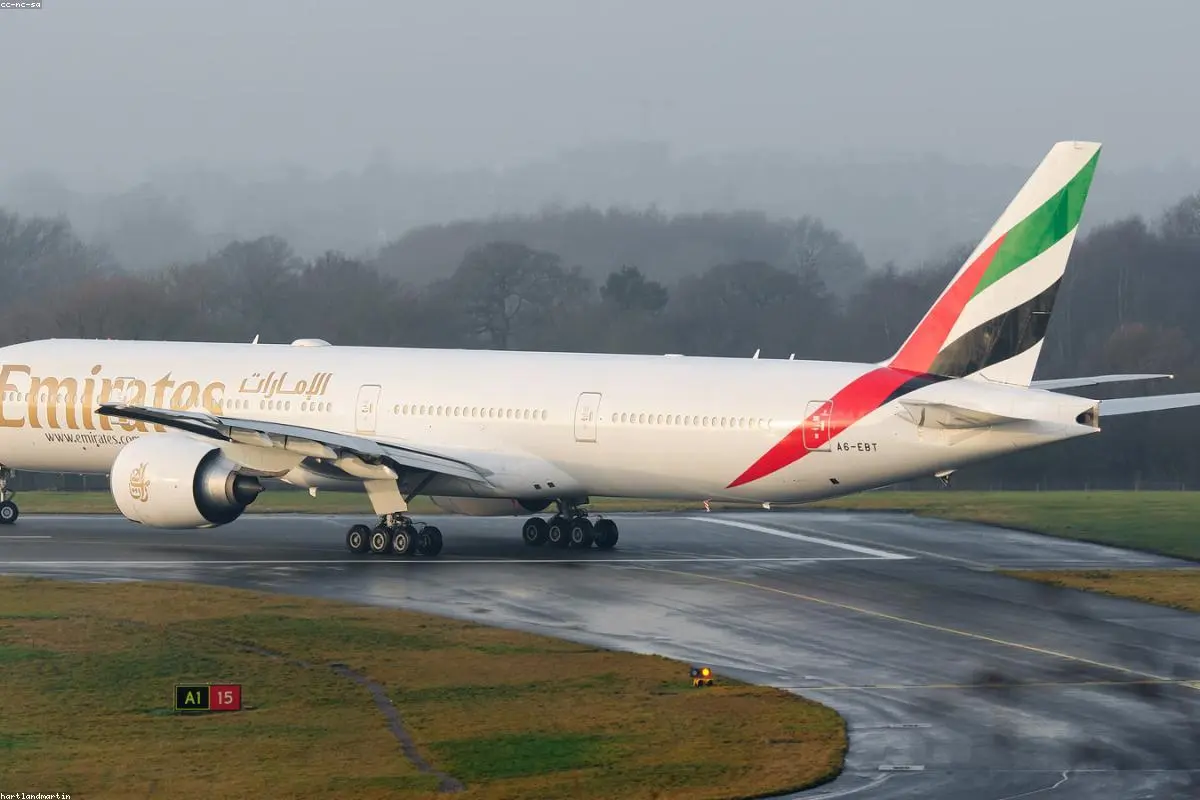
The aviation industry sits at the epicenter of this disruption. It isn't just a matter of people choosing not to fly to certain cities; it's the fact that entire swaths of airspace have become complicated to navigate. Rerouting flights to avoid potential conflict zones adds significant fuel costs and increases flight times, which eventually trickles down to the consumer in the form of higher ticket prices.
- Increased Fuel Consumption: Longer flight paths to bypass restricted airspace are eating into airline margins.
- Insurance Premiums: Carriers operating in or near sensitive regions are facing higher liability costs.
- Schedule Volatility: Sudden closures of airspace require rapid-fire changes to crew scheduling and aircraft rotations.
For investors monitoring the market, these variables introduce a layer of unpredictability. Airline stocks, which are usually sensitive to fuel prices, are now equally sensitive to the daily news cycle regarding regional diplomacy. It is a reminder that in the global economy, everything is interconnected, and a single regional spark can ignite a fire that burns through balance sheets thousands of miles away.
The Psychology of the Modern Traveler
What makes this current shift particularly interesting is how it contrasts with previous decades. In the past, travelers might have been slower to react to distant political events. Today, however, the 24-hour news cycle and social media mean that potential risks are front-and-center in the consumer's mind before they even open a booking app. People are more informed, but they are also more prone to collective 'safety-seeking' behavior.
This doesn't necessarily mean the end of Middle Eastern tourism—far from it. History shows that the industry is remarkably resilient. However, it does suggest that the 'recovery' from global crises is rarely a straight line. Just as the world moved past the constraints of health lockdowns, it must now navigate a more complex map of geopolitical tensions. For the savvy traveler, the goal remains the same: finding that perfect getaway while ensuring that the journey home is as certain as the departure.
Ultimately, the current trend of staying closer to home serves as a barometer for global stability. As long as uncertainty remains high, we can expect to see the tourism industry continue to tilt toward the 'safe bets,' leaving businesses in more volatile regions to wait for a calmer horizon.