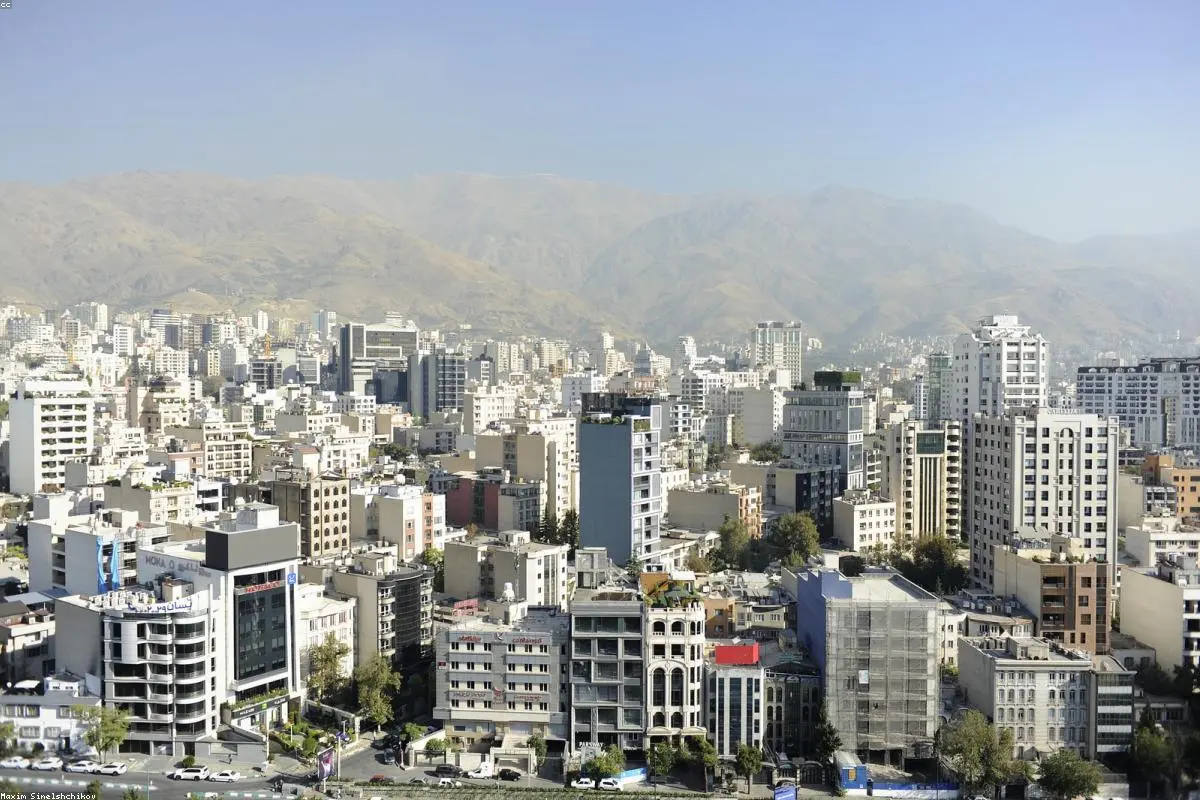
A New Reality on the Streets of Tehran
The golden hour in Tehran, once defined by the bustling energy of the Grand Bazaar and the aromatic steam of street-side tea stalls, has taken on a sharper, more clinical edge. The usual chaos of traffic is now interrupted by the flash of red and blue lights at makeshift checkpoints. For many Iranians, the shift from a 'shadow war' to direct, intensifying strikes from the US and Israel has moved the conflict from the headlines into the very fabric of their daily existence.
It is not just the presence of security forces that signals a nation under pressure; it is the silence of the people in the queues. Long lines for basic staples, particularly bread, have become a common sight across the capital and other major cities. This scarcity isn't necessarily due to a total lack of supply, but rather a crippling fear of the unknown. When the threat of regional escalation looms, the instinct to stockpile becomes a survival mechanism.
The Psychology of the Bread Queue
In many neighborhoods, the local bakery—the nanvaei—is the heartbeat of the community. Today, those heartbeats are racing. Citizens report waiting for hours for simple flatbreads, with tensions occasionally boiling over as supplies run low. These queues serve as a barometer for the national mood; they are places where the economic weight of sanctions meets the psychological weight of potential bombardment.
"Every time a new strike is reported, the line gets longer," says one resident, who asked to remain anonymous. "We aren't just buying bread; we are buying a sense of security that we don't actually have." This sentiment highlights the widening gap between the government's rhetoric of resilience and the lived experience of a population weary of decades of geopolitical friction. The current climate in the international arena suggests that this pressure is unlikely to subside in the immediate future.
Checkpoints and Internal Security
The physical landscape of Iran's major hubs has been transformed by a surge in internal security measures. Checkpoints manned by the Basij and the Islamic Revolutionary Guard Corps (IRGC) are now a common sight on major thoroughfares. Officially, these measures are intended to prevent sabotage and maintain order following foreign strikes, but for many, they feel like an added layer of surveillance during a time of extreme vulnerability.
Security analysts suggest that the intensification of these patrols is a calculated move by the Iranian leadership to project strength at a time when its regional proxies are under fire. According to reports from the BBC, the internal atmosphere is thick with a mixture of defiance and dread. The government is walking a tightrope, trying to manage a domestic population that is frustrated by economic mismanagement while simultaneously preparing for a potentially larger military confrontation with the US and Israel.
Strategic Calculations and Targeted Strikes
The recent wave of strikes has not been random. Military targets, including drone manufacturing facilities and missile storage sites, have been the primary focus of the US-Israeli operations. These strikes aim to degrade Iran's capability to project power through its 'Axis of Resistance.' However, the collateral damage—not always in terms of lives, but in terms of national stability—is significant.
- Infrastructure Vulnerability: Frequent power outages and communication disruptions have followed several of the targeted strikes.
- Economic Volatility: The rial has seen further fluctuations as investors and citizens alike scramble for hard currency.
- Social Cohesion: While some segments of the population rally around the flag, others express growing resentment toward a foreign policy that they feel has invited this escalation.
A Nation at a Crossroads
The current situation is a far cry from the localized skirmishes of the past. The direct nature of recent engagements suggests that the rules of engagement in the Middle East have fundamentally shifted. For the average Iranian, the geopolitical chess game is no longer an abstract concept debated in distant capitals; it is a checkpoint on the way to work and a three-hour wait for a loaf of bread.
There is also the matter of the younger generation. Iran’s youth, largely connected to the world through VPNs and social media, are watching the escalation with a particular brand of cynicism. They see their futures being held hostage by a conflict they did not choose. This internal demographic pressure, combined with external military force, creates a volatile cocktail that the ruling establishment is struggling to contain.
As the international community watches with bated breath, the question remains: how much pressure can the social fabric of Iran withstand before it begins to fray? The checkpoints may provide a semblance of control, and the bread queues may be managed, but the underlying fear of a total regional war is a genie that cannot easily be put back in the bottle. For now, the people of Iran wait—for the next headline, for the next strike, and for their turn at the bakery window.