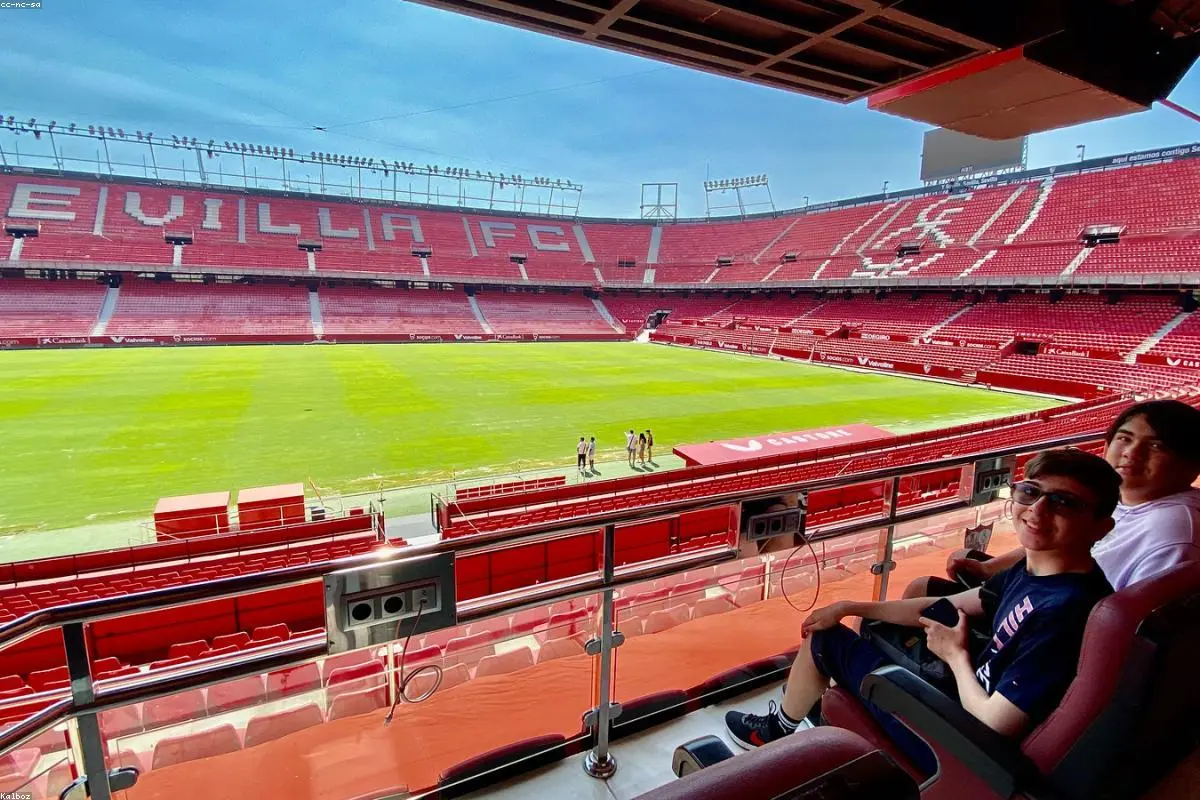
Monterrey, nested against the dramatic backdrop of the Sierra Madre Oriental, is rapidly preparing for its moment on the global stage. As one of the Mexican host cities for the highly anticipated 2026 FIFA World Cup, this northern industrial powerhouse is sparing no expense to ensure safety. But instead of relying solely on traditional policing methods, local authorities are leaning heavily into the future, blending cutting-edge technology with tactical aerial power.
Spotting a robotic dog patrolling a stadium perimeter or hearing the distinct, deep thump of a Black Hawk helicopter overhead might sound like a scene from a near-future sci-fi film. Yet, for Nuevo León’s state police force, known as the Fuerza Civil, this is the new baseline for public safety. These advanced assets are being integrated into a sophisticated security web designed to monitor crowds, detect hazards, and respond to emergencies in a matter of seconds.
The High-Tech Arsenal Patrolling the Streets
The introduction of quadrupedal unmanned ground vehicles—colloquially known as "robodogs"—marks a significant shift in how local authorities plan to handle crowd control and surveillance. These agile, four-legged machines can navigate terrains that are difficult for wheeled vehicles, climbing stairs and squeezing into tight, heavily crowded spaces. Equipped with 360-degree thermal cameras and advanced sensors, they can detect suspicious packages, monitor crowd density, and feed real-time data back to central command centers without putting human officers in harm's way.
Complementing this ground-level tech is the state's newly acquired Black Hawk helicopter. This military-grade aircraft provides the Fuerza Civil with unparalleled rapid-response capabilities. Whether transporting tactical units to clear traffic bottlenecks or conducting high-altitude surveillance, the helicopter acts as an indispensable "eye in the sky," fully integrated with the city’s vast network of artificial intelligence-driven street cameras.
A New Standard for International Sports Events
Hosting a tournament of this magnitude requires meeting incredibly stringent security guidelines set by FIFA. Because the 2026 tournament is uniquely spread across three nations—the United States, Canada, and Mexico—the logistical complexity is unprecedented. For Mexico, the tournament is not just a sporting celebration; it is a critical opportunity to demonstrate its capability to manage high-stakes security on an international level.
Local officials are highly aware of the global scrutiny that comes with hosting millions of traveling fans. By deploying state-of-the-art technology, Monterrey aims to rewrite the narrative around security in the region. The goal is to create a seamless, non-intrusive safety net that protects visitors while preserving the festive, welcoming atmosphere that defines Mexican football culture.
Testing the Tech: Simulation and Strategy
The integration of these advanced systems is already underway. As highlighted in a recent BBC report, local security forces are conducting rigorous drills to simulate various tournament scenarios. These exercises range from managing stadium evacuations to countering potential cyber-attacks on the city's digital infrastructure.
By pressure-testing the coordination between autonomous ground units, aerial support, and human officers, Monterrey's security planners hope to eliminate any potential points of failure long before the first whistle blows. The focus is on preventative policing—using predictive AI data to spot bottleneck trends in fan zones and redirecting foot traffic before issues arise.
Balancing Security with Hospitality
While the sight of Black Hawks and robotic patrols sends a clear message of deterrence, it also raises questions about the fan experience. Security experts point out that a heavily militarized presence can sometimes feel intimidating to international tourists. Monterrey’s challenge will be striking the right balance between robust vigilance and warm hospitality.
Ultimately, the success of Monterrey’s World Cup preparations will be measured by how invisible yet effective these security measures feel to the average spectator. If the city can pull off this ambitious high-tech security strategy smoothly, it may well set a brand-new blueprint for how major global events are policed for decades to come.