The Quiet Revolution in Rehabilitation
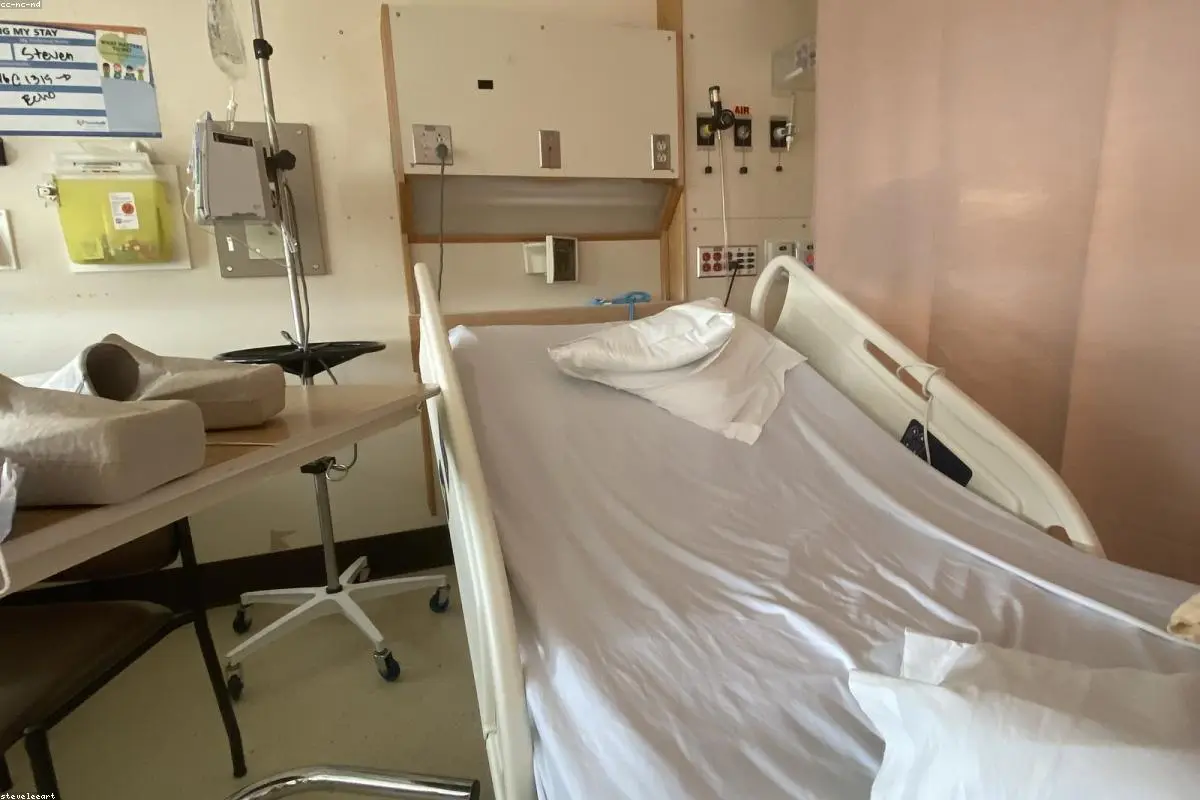
For most stroke survivors, the journey back to a 'normal' life is often defined by the sterile walls of a hospital gym and the grueling logistics of outpatient appointments. However, a new wave of innovation is shifting the center of gravity from the clinic to the living room. A groundbreaking trial is currently putting sophisticated, sensor-based technology into the hands of patients, allowing them to rebuild their lives on their own terms. As reported by the BBC, the results are proving to be about much more than just physical movement; they are about psychological liberation.
One participant in the trial, who spent months struggling with limited mobility in his arm, summed up the impact of the new equipment in five powerful words: "It's given me my freedom back." This sentiment highlights a critical gap in modern health systems—the space between leaving the acute care of a hospital and finding a sustainable way to continue intensive therapy at home.
Gaming Your Way to Recovery
The technology at the heart of this trial involves wearable sensors that track movement with precision and feed that data into a tablet-based interface. Instead of repetitive, monotonous exercises that many patients find difficult to maintain, the system utilizes 'gamification.' Patients play specifically designed digital games that require the exact physical movements needed to retrain the brain and muscles.
This approach addresses one of the biggest hurdles in neuro-rehabilitation: consistency. After a stroke, the brain needs thousands of repetitions to 'rewire' itself—a process known as neuroplasticity. Traditional physiotherapy sessions, while vital, often can't provide the sheer volume of practice required. By making the process engaging and accessible at any time of day, the trial is seeing patients complete far more 'reps' than they ever would in a clinical setting.
Breaking the 'Rehab Gap'
The transition from hospital to home is often where recovery stalls. In the hospital, patients have a team of experts nudging them forward. At home, the reality of daily chores, fatigue, and the lack of immediate feedback can lead to a drop-off in effort. This 'rehab gap' is where many survivors lose the gains they made in the early weeks of their recovery.
By using at-home tech, clinicians can monitor a patient's progress remotely. They can see exactly how many hours a survivor has spent training, which movements they are struggling with, and adjust the difficulty levels of the games in real-time. It creates a 'hospital without walls' effect, providing the expertise of a physiotherapist with the comfort of being in one's own lounge.
The Economic and Social Impact
Beyond the personal victories of individual patients, the widespread adoption of at-home rehabilitation tech could have massive implications for healthcare infrastructure. Most health services are under immense pressure, with waiting lists for physical therapy often stretching into months. If a significant portion of recovery can be managed safely and effectively by the patient at home, it frees up specialist time for those with the most complex needs.
Key benefits of the at-home trial include:
- Increased Dosage: Patients are more likely to perform the necessary repetitions when the tech is sitting on their coffee table.
- Reduced Travel: For those with mobility issues or those living in rural areas, removing the need for hospital transport is a major relief.
- Real-time Data: Doctors receive precise metrics on progress, rather than relying on a patient’s memory of their exercises.
- Mental Wellbeing: Regaining the ability to perform simple tasks, like picking up a cup of tea, significantly boosts a survivor's confidence.
The Human Element in a Digital World
It is easy to get caught up in the technical specifications of sensors and software, but the true value of this trial lies in the human stories it creates. Stroke doesn’t just affect the body; it often strips away a person's sense of agency. When a survivor can see their progress charted on a screen and feel the physical change in their own limbs, that sense of agency begins to return.
Experts involved in the trial emphasize that this tech is not intended to replace human therapists. Instead, it acts as a force multiplier. It allows the therapist to become a coach and a strategist, using data to fine-tune a recovery plan while the patient does the 'heavy lifting' in their own environment. It turns the patient from a passive recipient of care into an active driver of their own healing.
Looking Toward the Future
The success of these early trials suggests that we are entering a new era of personalized medicine. As wearable technology becomes more affordable and AI-driven feedback becomes more sophisticated, the 'smart home' of the future may very well double as a wellness and rehabilitation hub. For the thousands of people who suffer a stroke every year, this isn't just a technological advancement—it’s a lifeline.
The road to full recovery after a stroke is rarely short or easy. However, by bringing the tools of the trade into the home, we are finally giving survivors the best possible chance to cross the finish line. As this trial continues to gather data, the hope is that this technology will move from a specialized study to a standard of care, ensuring that every survivor has the opportunity to say they’ve finally reclaimed their freedom.