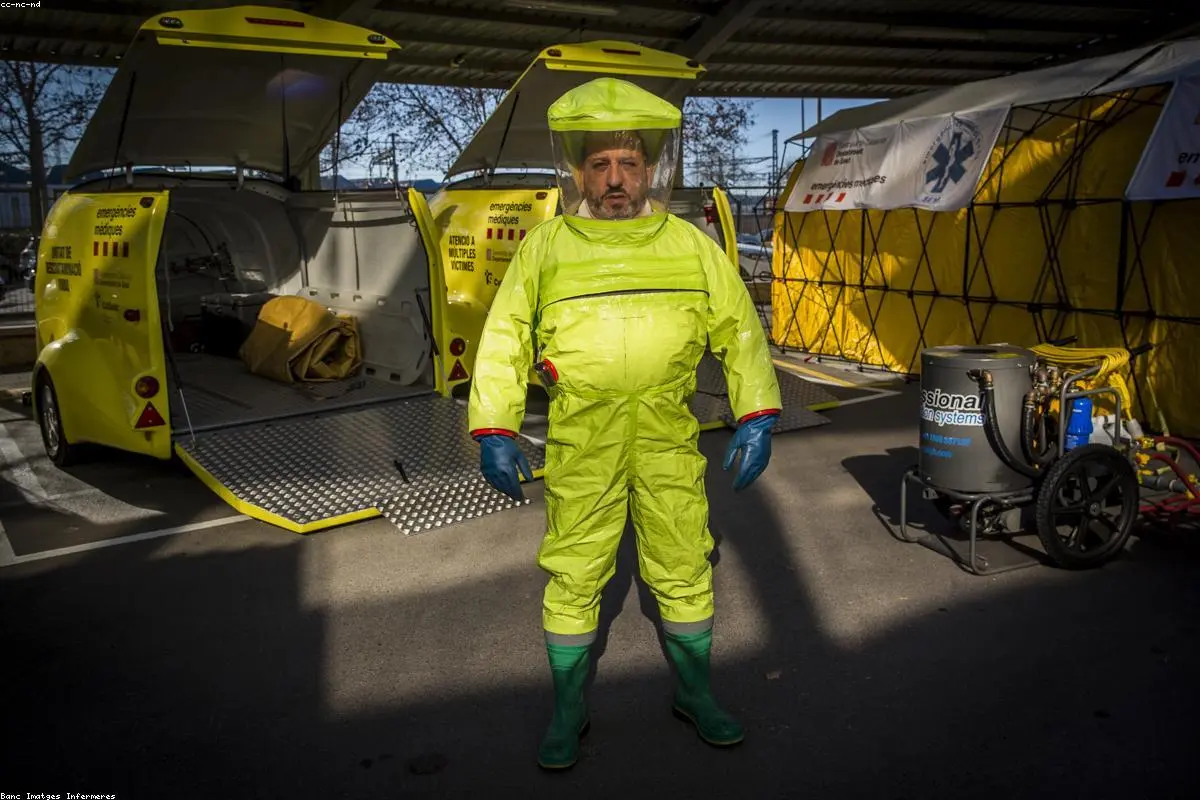
The High Stakes of Viral Prevention
Ebola is a name that continues to resonate with a specific kind of dread in the global medical community. It is a virus that doesn't just infect; it devastates, often with a speed that outpaces traditional public health responses. However, a significant shift is occurring in the laboratories of leading research institutions. As fears of potential new outbreaks grow, particularly in regions still recovering from previous surges, the scientific community has signaled a major move forward: three new Ebola vaccines are now in various stages of development.
This surge in research comes at a critical juncture. While the world successfully deployed vaccines during the Zaire ebolavirus outbreaks in the Democratic Republic of Congo (DRC) over the last decade, other strains remain notoriously difficult to prevent. The recent push, as reported by the BBC, highlights a proactive rather than reactive stance in the ongoing battle for global health security.
Understanding the Three Candidates
The challenge with Ebola is that it isn't a monolithic threat. Different strains—most notably the Zaire and Sudan viruses—require specific immune responses. The current suite of vaccines under development aims to provide a more comprehensive shield than we have ever had before.
One of the most promising candidates focuses on the Sudan strain. This particular version of the virus was responsible for the 2022 outbreak in Uganda, which served as a wake-up call for health officials. Because the existing Zaire-specific vaccines offered no protection against the Sudan strain, researchers had to start almost from scratch. The new candidates utilize diverse delivery methods, including viral vector technology—the same platform that allowed for the rapid development of certain COVID-19 shots.
Key Development Pillars:
- Multivalent Potential: Some researchers are working on a 'cocktail' approach that could theoretically protect against multiple strains of the virus simultaneously.
- Simplified Logistics: One of the biggest hurdles in Africa is the 'cold chain.' New developments are focusing on thermostability, ensuring vaccines remain effective without ultra-low temperature freezers.
- Rapid Deployment Protocols: The focus isn't just on the science of the vaccine, but the speed at which clinical trials can be initiated during an active flare-up.
The Shadow of the 2022 Uganda Outbreak
To understand the urgency, one must look back at the 2022 crisis in Uganda. During that period, the lack of an available vaccine for the Sudan strain led to a tense waiting game. Although several candidates were eventually shipped to the country, the outbreak was contained through traditional public health measures—quarantines and contact tracing—before the trials could yield definitive results.
While containment was a success, the 'near miss' highlighted a glaring vulnerability. We cannot always rely on the speed of contact tracers to outrun a virus with a high mortality rate. The three vaccines currently in development are designed to ensure that the next time the Sudan strain or a similar variant jumps to humans, a preventative tool is already sitting on the shelf, ready for immediate use.
The Financial and Ethical Balancing Act
Developing vaccines for diseases that occur in sporadic, localized outbreaks presents a unique economic challenge. Pharmaceutical companies often struggle to find a profit motive for a product that may only be used once every few years. This is where international partnerships and NGOs have stepped in, providing the necessary funding to keep these projects alive.
Beyond the economics, there is a deep-seated ethical responsibility. The communities most at risk are often in resource-limited settings with fragile healthcare infrastructures. Providing a vaccine is only half the battle; the other half involves building trust within these communities. Past experiences have shown that medical intervention is only successful when paired with clear communication and respect for local customs regarding burial and caregiving.
Looking Toward a Resilient Future
The path from a laboratory breakthrough to a needle in an arm is rarely straight. These three candidates must still clear rigorous regulatory hurdles to ensure safety and efficacy. However, the momentum is undeniable. We are moving away from a period where we reacted to Ebola with panic and toward an era where we manage it with precision medicine.
By investing in these vaccines now, the global community is essentially buying an insurance policy against future pandemics. It serves as a reminder that in the world of infectious diseases, being prepared isn't just a strategy—it's a necessity for survival. As these trials progress, the hope is that the terror once associated with the word 'Ebola' will eventually be replaced by the quiet confidence of total immunization.