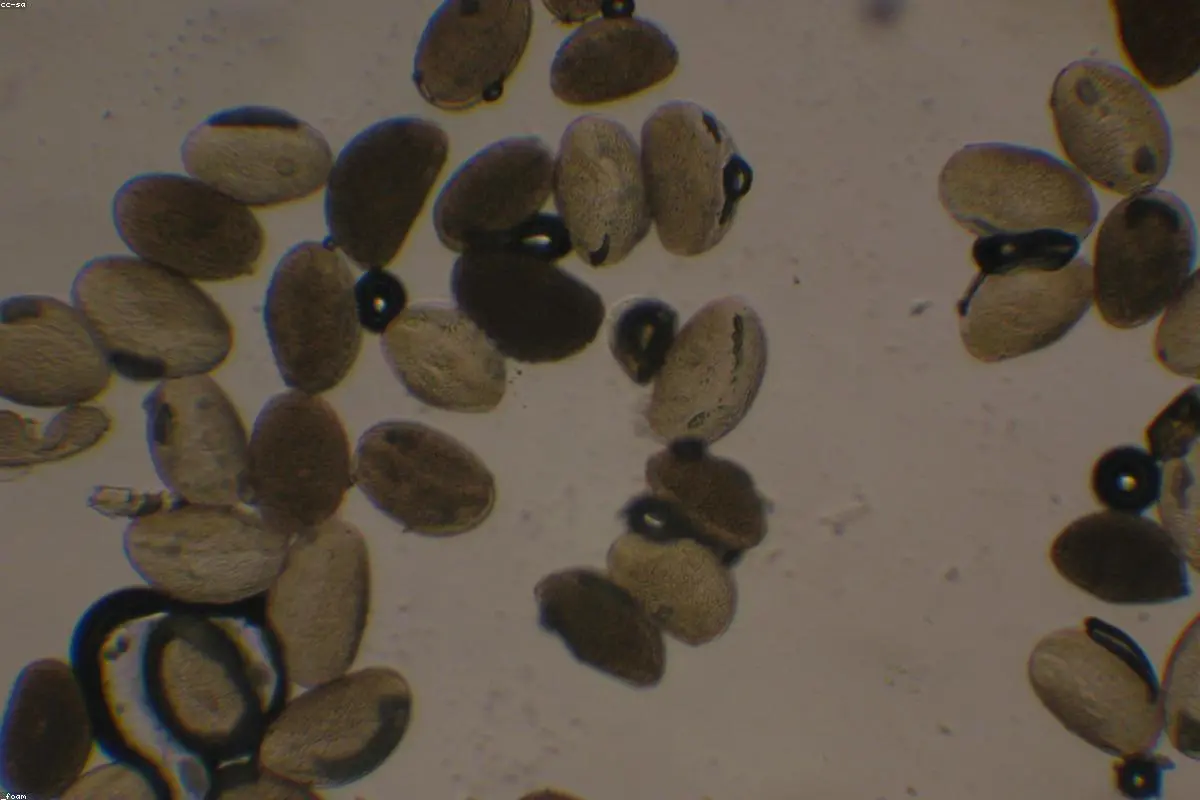
Hay Fever Season: It's Not Just You, It's Getting Longer
Remember when hay fever was a brief, predictable burst of misery in the spring? Those days seem to be fading. Increasingly, sufferers are reporting symptoms stretching from early spring right through to autumn, and even winter in some cases. This isn't just anecdotal; a growing body of evidence confirms that pollen seasons are indeed lengthening and becoming more severe, impacting public health and quality of life for millions.
What's Driving the Change?
The primary culprit? Climate change. Warmer temperatures are causing plants to release pollen earlier and for a longer duration. Higher CO2 levels also contribute, boosting plant growth and, consequently, pollen production. This means more pollen in the air, and for a greater part of the year. According to recent findings reported by the BBC, the UK has seen a significant increase in pollen counts over the past few decades, with the season starting earlier and ending later.
It’s not just temperature, though. Changes in rainfall patterns and increased urbanization also play a role. Urban heat islands can create localized warmer areas, extending the pollen season within cities. Furthermore, the types of plants prevalent in urban environments – often those that produce highly allergenic pollen – can exacerbate the problem.
Beyond the Sneezes: Understanding Hay Fever Symptoms
Hay fever, or allergic rhinitis, isn’t just about sneezing. While that’s a common symptom, the range of effects can be surprisingly broad. These can include:
- Nasal symptoms: Sneezing, runny nose, nasal congestion, itchy nose
- Eye symptoms: Itchy, watery, red eyes
- Throat symptoms: Sore throat, itchy throat
- Other symptoms: Headache, fatigue, earache, pressure in the ears
For some, these symptoms are mild and manageable. For others, they can significantly disrupt daily life, impacting sleep, work, and overall well-being. It’s important to remember that severe symptoms should be discussed with a healthcare professional.
Coping Strategies: Taking Control of Your Hay Fever
So, what can you do to navigate this extended pollen season? Fortunately, there are several effective strategies. Prevention is key, and starts with awareness. Regularly checking pollen forecasts can help you plan outdoor activities and take precautions on high-pollen days. You can find reliable pollen counts on websites and apps dedicated to allergy information.
Here are some practical steps you can take:
- Stay indoors: Especially on windy days and during peak pollen times (usually early morning and late afternoon).
- Keep windows closed: Use air conditioning, and consider using a HEPA filter to remove pollen from the air.
- Shower and change clothes: After spending time outdoors, to remove pollen from your skin and hair.
- Vacuum regularly: To remove pollen that has settled inside your home.
- Wear sunglasses: To protect your eyes from pollen.
Medical Interventions: Finding Relief
When preventative measures aren’t enough, medical interventions can provide significant relief. Over-the-counter antihistamines are a common first line of defense, helping to block the effects of histamine, the chemical released during an allergic reaction. Nasal corticosteroids can reduce inflammation in the nasal passages, providing relief from congestion and sneezing. For more severe symptoms, a doctor may prescribe stronger medications or recommend allergy immunotherapy (allergy shots), which can help desensitize you to pollen over time.
Don't hesitate to seek professional advice. A healthcare provider can help you determine the best course of treatment based on your individual symptoms and medical history. For more information on managing allergies and other health concerns, explore resources in our Health section.
The lengthening pollen season is a clear indicator of the broader impacts of climate change on our health. While we work towards addressing the root causes of climate change, understanding how to manage hay fever symptoms is crucial for maintaining quality of life during these increasingly challenging times.