Pharma Giant Fights Back: Wegovy Maker Sues Over 'Imitation' Weight-Loss Drugs
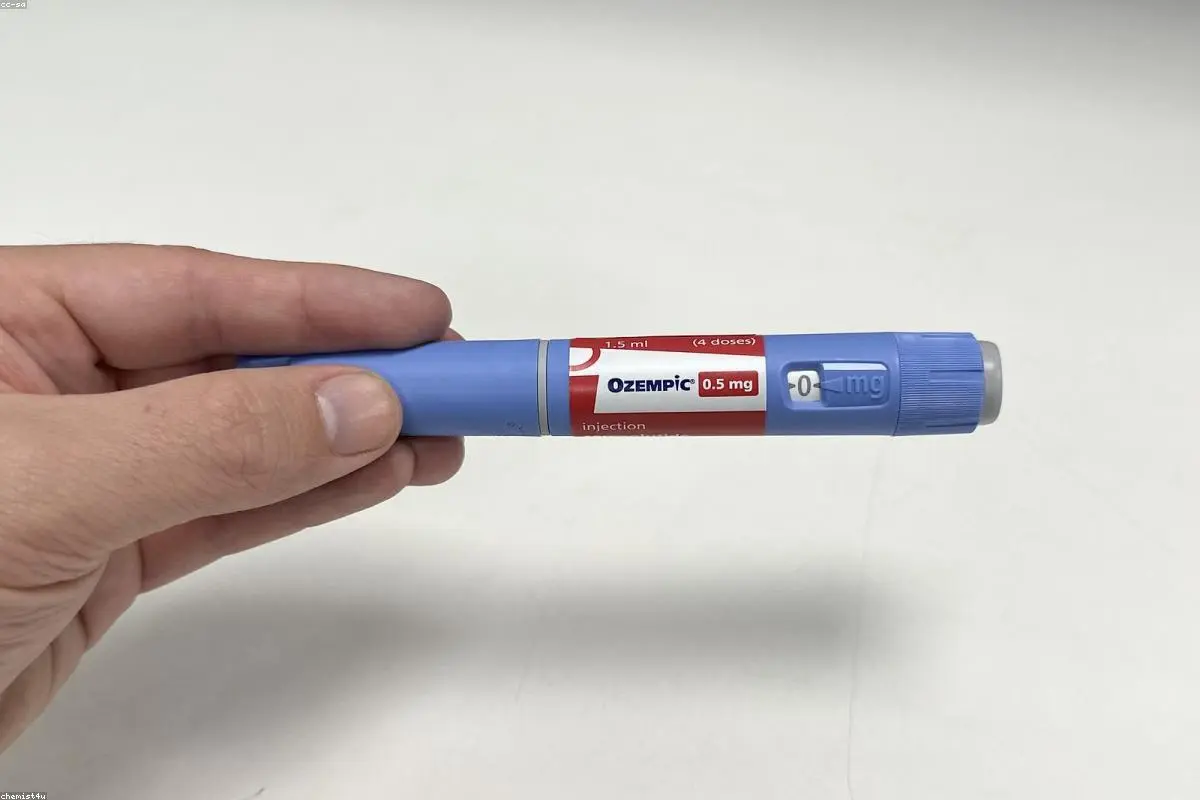
The global pharmaceutical landscape is currently buzzing, and much of the excitement, and indeed controversy, centers around a class of drugs promising significant weight loss. At the forefront of this revolution is Novo Nordisk, the Danish company behind Ozempic and Wegovy. Now, the company is taking a firm stand to protect its innovations, filing a lawsuit against a rival it accuses of manufacturing and distributing 'knock-off' versions of its popular weight-loss treatments. This legal action underscores the high stakes and fierce competition characterizing the rapidly expanding market for GLP-1 agonist drugs.
According to reports, including context from a BBC News article, Novo Nordisk’s legal challenge targets what it describes as unauthorized, potentially unsafe imitations of its groundbreaking medications. While the specific rival named in the lawsuit often remains under wraps in initial reports, these cases typically involve compounding pharmacies or other entities creating similar drug formulations outside the strict regulatory approval process. This move by Novo Nordisk isn't just about market share; it's a multi-faceted defense of intellectual property, brand integrity, and crucially, patient safety.
The Heart of the Dispute: Innovation vs. Imitation
At the core of Novo Nordisk's complaint lies the principle of intellectual property. Developing a new drug like semaglutide – the active ingredient in Ozempic and Wegovy – is an incredibly expensive, time-consuming, and risky endeavor, often costing billions of dollars and taking over a decade. Pharmaceutical companies rely on patent protection to recoup these investments and fund future research and development. When unauthorized versions flood the market, it directly undermines this model, potentially stifling future innovation.
However, the narrative isn't purely about patents. The overwhelming demand for effective weight-loss solutions has created significant supply challenges for Novo Nordisk. These shortages have inadvertently fueled a market for compounded versions, often marketed as cheaper or more accessible alternatives. While legitimate compounding pharmacies play a vital role in customizing medications for individual patient needs, particularly during drug shortages, the line between legitimate practice and infringement can blur, especially when the compounded product is a direct copy of a proprietary drug.
Patient Safety: A Critical Concern
Beyond the legal and business implications, patient safety emerges as a paramount concern. Regulated drugs like Wegovy undergo rigorous clinical trials and strict manufacturing processes to ensure their efficacy, safety, and consistent quality. 'Knock-off' or improperly compounded versions, however, may not adhere to these stringent standards. There's a real risk of inconsistent dosing, contamination, unknown purity, or the inclusion of untested ingredients. This can lead to ineffective treatment, unexpected side effects, or even serious health complications for individuals seeking help with weight management.
- Lack of Regulatory Oversight: Unlike FDA-approved drugs, compounded medications generally do not undergo the same level of regulatory scrutiny for safety and effectiveness.
- Inconsistent Formulations: Even slight variations in ingredients or manufacturing processes can significantly alter a drug's performance and safety profile.
- Misinformation Risk: Patients might not be fully aware of the differences between an approved drug and a compounded alternative, assuming they are identical.
The Broader Market Impact and Future Outlook
This lawsuit is a significant development in the burgeoning market for GLP-1 drugs, which analysts predict could reach hundreds of billions of dollars globally. It sets a precedent, signaling that major pharmaceutical players are prepared to aggressively defend their innovations against what they perceive as infringement. For other companies eyeing the lucrative weight-loss sector, it's a clear warning about the boundaries of competition.
The outcome of such a high-profile case could reshape how compounded drugs are regulated, particularly in times of high demand and limited supply. It might also influence consumer behavior, pushing patients to be more discerning about the source and authenticity of their medications. Furthermore, it highlights the intense pressure on pharmaceutical companies to meet escalating demand while battling illicit alternatives. This complex dynamic presents a challenge for both innovators and regulators, striving to balance patient access with safety and the protection of intellectual property.
As the legal proceedings unfold, the pharmaceutical world will be watching closely. This isn't merely a dispute between two companies; it's a bellwether for the future of drug development, market competition, and the ethical considerations surrounding patient care in a rapidly evolving healthcare landscape.


