The Silent Pressure of a Rising Thermometer
The heat doesn't hit you all at once; it builds. It starts as a pleasant summer morning and slowly transforms into a heavy, oppressive blanket that clings to the skin. Inside the cab of an ambulance, the air conditioning is fighting a losing battle against the midday sun reflecting off the tarmac. For the paramedics on shift today, the weather isn't an invitation for a barbecue—it’s a precursor to a surge in emergency calls.
"People see the sun and think of holidays," says Sarah, a senior paramedic with over a decade of experience. "They don't see the physiological strain happening inside their bodies. By the time we get the call, they’re often well past the point of a simple headache. They are in genuine crisis."
As part of recent reporting by the BBC, it has become increasingly clear that our collective understanding of heat risk is lagging behind the reality of our changing climate. During a heatwave, the ambulance service doesn't just see 'heatstroke' cases; it sees a spike in everything from heart attacks to kidney failure. The heat acts as a catalyst, finding the weakest point in a person’s health and pushing it until it breaks.
The Anatomy of a Heat Call
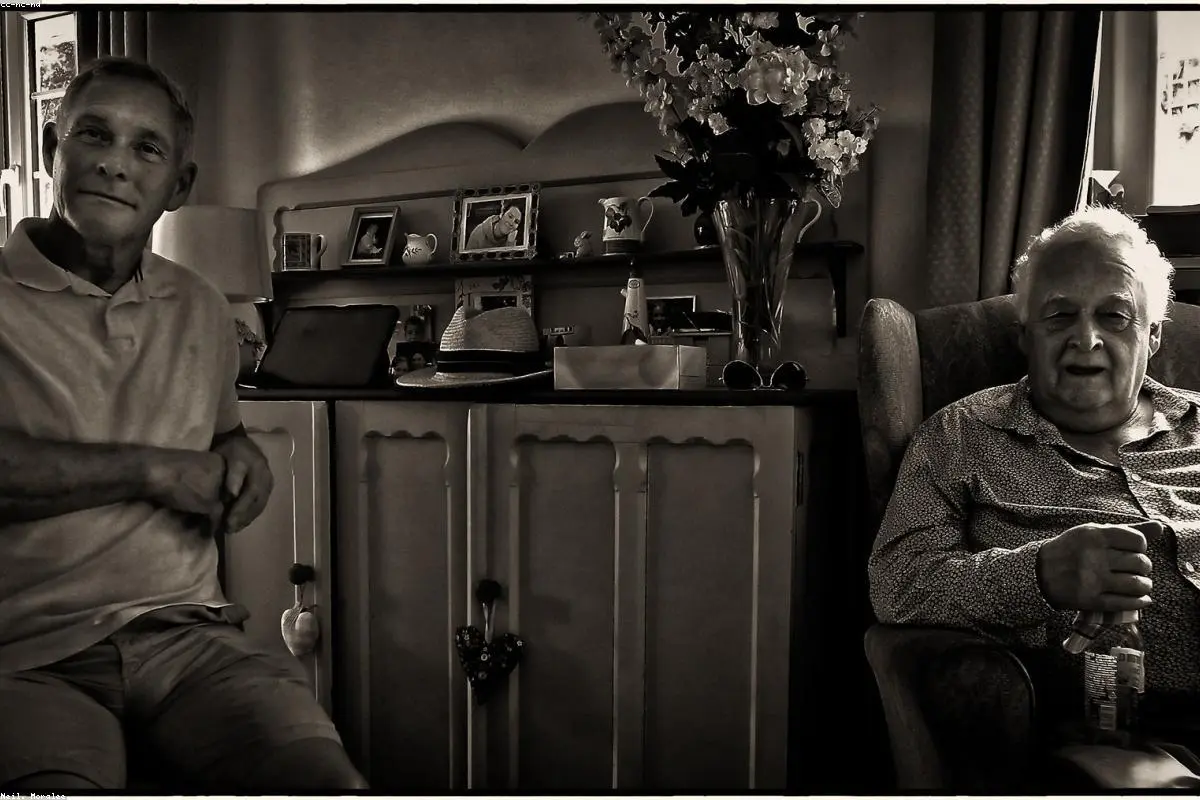
The first call of the afternoon is for an elderly man in a top-floor flat. These buildings, often poorly ventilated, become literal ovens during a sustained period of high temperatures. When Sarah and her partner arrive, the patient is confused and lethargic—classic signs of severe dehydration and overheating.
In the world of Health and emergency medicine, these are known as 'silent' emergencies. Unlike a traumatic injury, there is no blood or obvious wound. Instead, there is a dangerously high core temperature and a heart racing to keep up with the demand of cooling the body down.
Common symptoms the crew looks for include:
- Confusion or altered mental state.
- Rapid, shallow breathing and a high pulse rate.
- Skin that feels hot to the touch but is strangely dry (a sign that the body has stopped sweating).
- Extreme fatigue or fainting spells.
"The danger is that these symptoms are often dismissed as 'just being a bit tired from the sun'," Sarah explains while prepping an IV drip. "But for someone with a pre-existing heart condition or for an older person, that fatigue is the body's cooling system failing. Once that happens, organ damage can follow remarkably quickly."
A System Under Strain
It isn't just the patients who are feeling the heat. The logistics of running an ambulance service during a heatwave are a nightmare of timing and endurance. Paramedics are often wearing heavy personal protective equipment or carrying heavy bags up flights of stairs in 30-degree-plus weather. The physical toll on the staff is immense, leading to burnout in a sector already stretched thin.
Furthermore, the surge in volume means that 'Category 1' calls—the most life-threatening—must be prioritised, often leaving those with less immediate symptoms waiting longer in the heat, which in turn can cause their condition to deteriorate. It is a vicious cycle that highlights the fragility of the healthcare infrastructure when faced with extreme weather events.
Why We Underestimate the Risk
Why do we struggle to take the heat seriously? Experts suggest it’s a cultural hangover from a time when hot days were rare and celebrated. We aren't built for this, and neither are our homes. Unlike countries in Southern Europe, the UK infrastructure is designed to keep heat in, not let it out. When the external temperature stays high overnight, the body never gets a chance to recover, leading to a cumulative stress that many people don't notice until they collapse.
Insights from public health officials suggest that the most at-risk groups aren't just the elderly. They include those with respiratory issues, young children, and people on certain medications that affect the body’s ability to regulate temperature or stay hydrated.
Staying Safe: Beyond the Sunscreen
As the shift draws to a close, the radio crackles with another report of a collapse in a public park. The crew prepares to go again. Their advice for the public is simple but often ignored: stay indoors during the hottest part of the day, drink water even if you don't feel thirsty, and check on vulnerable neighbours.
"We want people to enjoy the summer," Sarah says, "but we also want them to survive it. Respect the heat. It’s not just a weather report; it’s a health warning."
The reality of a day with the ambulance service is a sobering reminder that while the sun might look inviting, it remains one of the most significant environmental threats to public health. As heatwaves become more frequent and more intense, the message from the frontline is clear: don't wait until you feel ill to take cover. The heat is already working against you long before you realise you're at risk.